









Radilum
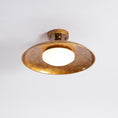
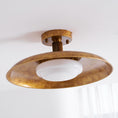
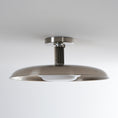
Plafonnier Style Couvercle — Panneau Plat
Livraison standard gratuite aux États-Unis, au Canada, en Europe, au Royaume-Uni, en Australie et aux Émirats arabes unis
💡 Utilisez le code de réduction RDSHN pour profiter de 10 % de réduction
Souvent achetés ensemble

 €389,95
 €166,95
 €262,95
 €279,95
Fer · Verre · Finition à la Main
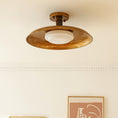
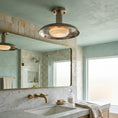
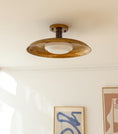
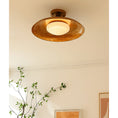
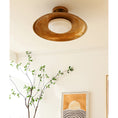
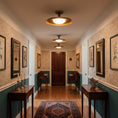
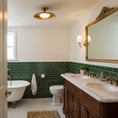
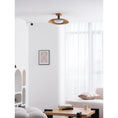
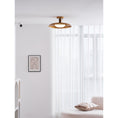
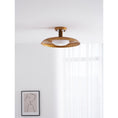
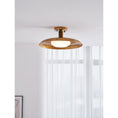
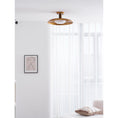
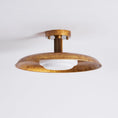
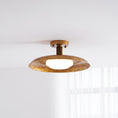
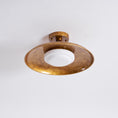
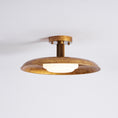
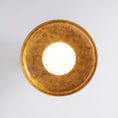
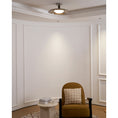
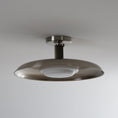
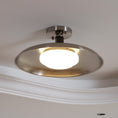
Un plafonnier inspiré du simple couvercle de cocotte — large, bas et ancré. Le corps en fer robuste de l'Oscar enveloppe un diffuseur en verre givré qui diffuse une lumière chaude et homogène dans toute la pièce. Encastrable et câblé en dur, il s'efface dans le plafond tout en ancrageant subtilement l'espace.
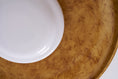
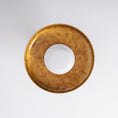
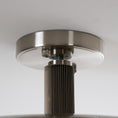
Version Or : La rosace en fer est finie à la main, créant une subtile variation tonale qui rend chaque pièce unique. Aucun masque de laque, aucun revêtement uniforme — la texture émerge du processus de finition lui-même.
Voir en action
Caractéristiques
Silhouette Style Couvercle
Forme large et plate avec un rebord dôme classique — présence substantielle sans lourdeur.
Gradation TRIAC chaleureuse
Compatible avec tout variateur mural TRIAC standard. La température de couleur s'adoucit à mesure que la luminosité baisse — comme une lueur de chandelle.
LED 24W Intégrée
Module LED intégré — lumière homogène et constante sur tout le diffuseur. Si la source lumineuse nécessite une intervention, contactez-nous et nous fournirons un remplacement.
Options de Finition — À Choisir à la Commande
Fer doré
Ton or brossé chaud avec variation tonale organique subtile sur la rosace. Complète le bois naturel, le lin, les murs crème, la terre cuite et les accents bleu marine profond. Chaque pièce est unique — la variation subtile de type patine fait partie du caractère.
Nickel Poli
Finition nickel brossé atténué avec un reflet frais et homogène. Convient aux intérieurs modernes et industriels — béton, plâtre blanc, chêne teinté foncé et pierre polie. Discret et précis, avec la même profondeur finie à la main que l'or.
La texture finie à la main est intentionnelle. La subtile variation tonale sur la surface de la rosace fait partie du caractère artisanal du luminaire — une conséquence du processus de finition, non un défaut de fabrication. Les deux finitions présentent cette qualité.
Notes du Produit
| SKU | RDC-F6673 |
| Nom du produit | Plafonnier Style Couvercle — Panneau Plat |
| Matériaux | Corps en fer · Abat-jour en verre givré |
| Source Lumineuse | LED intégrée · Nous contacter si remplacement nécessaire |
| Puissance | 24W |
| Température de couleur | Blanc chaud 3000K (par défaut) · Température de couleur personnalisée sur demande |
| Variation d'intensité | TRIAC · Variation de luminosité avec adoucissement de la teinte (la couleur s'adoucit lorsque la luminosité baisse) |
| Tension | AC 110–240V · Universel |
| Fixation | Plafonnier · Câblé · Boîte de jonction standard |
| Indice IP | IP20 · Usage intérieur uniquement |
| Taille de pièce appropriée | 10–18 m² (110–195 ft²) — chambres, salles à manger, couloirs, entrées |
| Finitions |
Or Nickel
|
| Couleur de l'abat-jour | Verre blanc givré |
Installation
- Montage encastré — l'installation par un électricien agréé est recommandée.
- Se fixe directement à une boîte de jonction de plafond standard (aucun adaptateur spécial requis).
- Compatible avec les gradateurs muraux TRIAC standard — vendus séparément.
- Le module LED est intégré à l'appareil. En cas de dommage ou de défaillance de la source lumineuse, veuillez nous contacter — nous pouvons fournir un module de remplacement.
- Conçu pour les emplacements intérieurs secs uniquement (IP20). Non adapté aux salles de bain ou aux espaces humides.
- Tension universelle (AC 110–240V) — compatible avec les systèmes électriques d'Amérique du Nord, d'Europe, du Royaume-Uni et d'Australie.
Vu sur Instagram
Installations de véritables clients — appuyez sur une carte pour ouvrir le post complet sur Instagram.


Téléchargements
Questions fréquentes
Ce luminaire de plafond est-il gradable ? +
Oui — l'Oscar est entièrement compatible avec les gradateurs muraux TRIAC standard (vendus séparément, aucun contrôleur spécial requis). À mesure que vous réduisez la luminosité, la température de couleur devient plus chaude — passant du blanc vif à une lueur ambrée douce — imitant l'effet du gradage des ampoules à incandescence traditionnelles.
L'ampoule LED est-elle remplaçable ? +
Le module LED de 24W est intégré à l'appareil et n'est pas conçu pour être remplacé par l'utilisateur. Cependant, en cas de dommage ou en fin de vie de la source lumineuse, veuillez nous contacter — nous pouvons fournir un module de remplacement et vous guider tout au long du processus.
À quelle taille de pièce convient ce luminaire ? +
Avec un diamètre de 50 cm (19,7") et une puissance de 24W, l'Oscar convient à des pièces d'environ 10–18 m² (110–195 pi²). Il fonctionne particulièrement bien dans les chambres à coucher, les salles à manger, les couloirs et les entrées. Pour les espaces ouverts plus grands, envisagez d'installer deux appareils.
Quelle tension supporte-t-il ? +
AC 110–240V — tension universelle. L'Oscar est expédié prêt à l'emploi en Amérique du Nord (110–120V), en Europe (220–240V), au Royaume-Uni et en Australie sans modification ni adaptateur.
Puis-je commander une température de couleur différente ? +
La version standard est expédiée en blanc chaud (3000K), idéal pour les espaces de vie et les salles à manger résidentiels. Si vous avez besoin de blanc neutre (4000K) ou lumière du jour (5000K), veuillez nous contacter avant de passer votre commande — des options de température de couleur personnalisées sont disponibles sur demande et peuvent affecter le délai de livraison.
À propos de la texture finie à la main +
Les coupoles Or et Nickel sont finies à la main, ce qui crée des variations subtiles de teinte et de motif de surface sur chaque pièce. Aucun deux lampes sont identiques. Cette variation tonale — particulièrement visible sur l'Or — est une qualité intentionnelle du processus de production artisanal, non un défaut. Les différences mineures entre les appareils sont attendues et font partie du design.
Les versions Or et Nickel ont-elles un rendu différent au-delà de la couleur ? +
Les deux finitions partagent la même construction de corps en fer et d'abat-jour en verre, mais ont des caractères distincts. L'Or a une patine chaleureuse et organique avec des tons ambrés et ocre. Le Nickel a un lustre plus frais et plus uniforme — précis et discret. Les deux finitions présentent la même profondeur tonale finie à la main ; le Nickel est simplement plus retenu dans son contraste.
Téléchargements
Dimension drawings

Vous avez besoin d'un fichier 3D ou d'un autre document ? Contactez un designer — c'est gratuit ; les fichiers 3D sont dessinés pour votre projet, veuillez donc compter un peu de temps.
FAQ
Quelles sont les dimensions de ce plafonnier ?
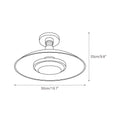
Le plafonnier style couvercle plat mesure 50 cm de diamètre (19,7″) et 25 cm de hauteur (9,8″).
Quels matériaux et finitions sont disponibles ?
Le corps est en fer avec un diffuseur en verre dépoli. Choisissez entre le fer doré (or brossé chaud avec variation tonale organique) ou le nickel poli (finition brossée mate avec brillance froide).
Quel est le style de cette suspension ?
Il s'agit d'un plafonnier mid-century modern et contemporain avec une silhouette de couvercle — forme plate et large avec un rebord bombé.
Dans quelles pièces cette lumière convient-elle ?
Elle convient aux chambres, salles à manger et bureaux/études. Dimensionnée pour des pièces de 10–18 m² (110–195 ft²).
Quel type de source lumineuse utilise-t-elle et est-elle gradable ?
Elle dispose d'un LED intégré de 24W avec une température de couleur blanc chaud 3000K. Elle est entièrement gradable avec des variateurs muraux TRIAC standard (vendus séparément) ; la couleur se réchauffe à mesure que la luminosité diminue.
Comment ce luminaire s'installe-t-il ?
Elle est câblée et montée en flush directement sur une boîte de jonction de plafond standard. L'installation par un électricien agréé est recommandée.
Vous hésitez encore ? Posez une question — réponse dans les 24 heures ouvrables.
- Design de forme unique
- Fabriqué de manière responsable
- Matériau de haute qualité
- Testé pour la durabilité
ENTRETIEN
ENTRETIEN
- Époussetez avec un chiffon doux et sec.
- Pour protéger la finition, nous ne recommandons pas l'utilisation de nettoyants ménagers ou d'abrasifs.
- Ne pas dépasser la puissance spécifiée.
POLITIQUE D'EXPÉDITION ET DE RETOUR
POLITIQUE D'EXPÉDITION ET DE RETOUR
Profitez de la livraison standard gratuite sur chaque commande, assurée et suivie jusqu'à votre porte. Les articles admissibles peuvent être retournés dans les 30 jours suivant la réception. Les articles sur commande ne sont pas admissibles au retour.
Dans notre atelier
Fabrication sur commande, expédition assurée
Chaque luminaire est fabriqué sur commande — généralement 1 à 3 semaines dans notre atelier, un peu plus long pour le verre soufflé à la main et les grandes pièces. Ensuite, il est expédié assuré par voie maritime, avec traitement douanier par nos soins et suivi jusqu'à votre porte : la plupart des commandes arrivent 5 à 7 semaines après la commande. Vous avez besoin plus rapidement ? Le transport aérien express prend 2 à 4 semaines au total, dont le prix est affiché au moment du paiement.
Façonné à votre mesure
Rien ici n'est définitif
Modifiez la finition, la couleur, la pierre, la taille — ou envoyez-nous une forme.
Services de design
Plans d'éclairage maison complète gratuits
Envoyez-nous vos plans d'étage ou photos ; un designer Radilum retourne un plan pièce par pièce avec luminaire, dimensions et hauteur de fixation — généralement sous 2 jours ouvrables.

Livraison gratuite
Livraison standard gratuite, assurée et suivie jusqu'à votre porte.

Certification nord-américaine
Aperçu de la certification nord-américaine

Paiement sécurisé
Paiement sécurisé par plusieurs cartes de crédit.


L'histoire du fer et du laiton
Coulé, ciselé et finalisé à la main
Nos luminaires en laiton et fer sont coulés, ciselés et finalisés dans notre propre atelier — dorés à la feuille d'or, bronzés ou laqués à la main, ce qui explique qu'aucun deux ne possède exactement le même éclat. La couleur se développe dans le bain de finition plutôt que d'être pulvérisée, puis scellée pour vieillir avec grâce. Choisissez une finition ci-dessus, ou demandez n'importe quelle autre finition métallique de la Bibliothèque des Finitions.
Le métal qui porte
la lumière des années.
Le laiton est l'alliage que les civilisations choisissent quand elles veulent que la lumière dure. Des poignées de porte polies par trois générations. Des instruments nautiques encore lisibles un siècle après le démantèlement du navire. Des chandeliers d'église qui survivent à la paroisse. La Collection Brass Atelier Américain de Radilum repose sur cette même conviction — des luminaires forgés en laiton de cartouche H65, finis à la main, scellés contre le temps, et destinés à être la lampe que vos petits-enfants reconnaissent.

L'alliage qui refuse de vieillir.
Le laiton est un alliage cuivre-zinc dont la première fonte connue remonte à environ 500 av. J.-C. en Méditerranée orientale — des artisans grecs alliaient le minerai de calamine au cuivre natif pour produire un métal qui frappait comme l'or mais se pliait comme un outil. À l'époque de l'Empire romain, le laiton était le matériau des monnaies, des équipements militaires et des lampes domestiques qui éclairaient Rome à la fin de la République. Deux millénaires et demi plus tard, il demeure, de très loin, l'alliage d'ingénierie non ferreux le plus utilisé au monde — et le cheval de trait silencieux de l'industrie de l'éclairage.
Ce qui rend le laiton particulièrement adapté à l'éclairage est une coïncidence de propriétés qu'aucun métal monoélémentaire n'atteint. Le cuivre lui confère une profondeur chromatique chaleureuse et le rouge-jaune spécifique qui se lit comme luxueux plutôt qu'industriel. Le zinc durcit l'alliage juste assez pour conserver les profils tournés nets, les raccords filetés et les détails moulés sans la mollesse du cuivre pur ou la ternissure des moulages gris. Le mélange produit un métal qui est travaillable quand vous en avez besoin — et rigide pour le siècle à venir.
Parmi la douzaine de nuances de laiton disponibles pour les fabricants, Radilum spécifie le laiton de cartouche H65 — 65 % cuivre, 35 % zinc. Le nom vient de son usage initial : les douilles de projectiles militaires, où le métal devait absorber le choc du tir sans se fissurer. Cette même ténacité, appliquée à un bras de lampe, signifie que la pièce reste dimensionnellement stable pendant des décennies de cycles thermiques, de serrage d'écrous et de remplacement d'ampoules. Les alliages à cuivre plus faible (H62, H59) sont moins chers mais plus fragiles. Nous ne les utilisons pas.
La collection laiton de Radilum repose sur une reconnaissance simple que l'industrie de l'éclairage au sens large a passé les deux dernières décennies à oublier : que la différence de coût entre un vrai luminaire en laiton et un luminaire en zinc plaqué laiton se mesure en années de service, pas en dollars à la caisse.
Quatre propriétés qui changent tout
sur la façon dont une lampe vieillit.
La plupart des matériaux de luminaires sont choisis pour ce que la lampe ressemble sur la photo de la vitrine. Le laiton est l'un des très rares matériaux qui mérite sa place au cours des trente prochaines années. Les différences se résument à quatre propriétés physiques et esthétiques.
01 Une masse qui se lit comme de la qualité
Le laiton H65 massif a une densité de 8,5 g/cm³ — plus dense que l'acier, plus dense que la fonte, plus de trois fois le poids du zinc moulé sous pression. Une applique en laiton de taille comparable à une applique en zinc plaqué laiton pèsera près de quatre fois plus. Vous ressentez la différence dès que vous levez la boîte. Ce n'est pas du marketing — c'est de la chimie.
02 Une finition vivante, pas un revêtement
Les finitions plaquées laiton sont de la peinture qui se trouve être métallisée. Elles se rayent, s'écaillent et révèlent un alliage moins cher dessous. Le laiton massif est la finition — ce que vous voyez est le métal lui-même, poli ou patiné. Une rayure sur du laiton plaqué est un défaut ; une rayure sur du laiton massif est une marque d'usure qui se repolit. C'est pourquoi les instruments de laiton survivent à un siècle de tournées tandis que les ferrures plaquées deviennent démodées en cinq ans.
03 Naturellement antimicrobien
Les alliages de cuivre sont oligodynamiques — ce qui signifie que les ions de leur surface perturbent les membranes cellulaires des micro-organismes au contact. L'EPA enregistre le laiton et le bronze massifs comme surfaces antimicrobiennes. Une plaque interrupteur en laiton, un tirant de lampe ou une quincaillerie de porte est visiblement plus propre que l'équivalent en acier inoxydable. Pour les luminaires très utilisés (lampes de chevet, appliques de couloir), cela compte plus que les brochures ne le mentionnent généralement.
04 Un spectre que l'œil lit comme chaud
Le laiton réfléchit la lumière de manière sélective dans le spectre visible — absorbant légèrement plus de bleu et de vert, réfléchissant plus de rouge et de jaune. Le résultat est que toute source lumineuse montée dans ou près d'un luminaire en laiton acquiert un léger reflet chaud. Nous spécifions la LED en tenant compte de ce décalage : une ampoule 2700K derrière du laiton se lit comme environ 2550K à l'œil, la couleur de la lumière du soir en fin d'après-midi.
Six finitions. Six conversations différentes
entre le métal et l'espace.
Un seul bloc de H65 peut être finalisé d'une douzaine de façons — et la finition, plus que toute autre variable, détermine la personnalité de la luminaire. L'atelier maintient six caractères standard et ajoute des patines personnalisées sur demande. Des échantillons physiques sont envoyés avant la commande finale pour tout projet de trois luminaires ou plus.
- Réflectivité~85%
- ScellantIncralac
- Idéal pourLes espaces formels
- Réflectivité~35%
- TextureSatin linéaire
- Idéal pourLa plupart des projets
- TonalitéAmbre à noir
- VariationChacune unique
- Idéal pourIntérieurs vintage
- Réflectivité~5 %
- ArêtesScintillement de laiton
- Idéal pourLuxe moderne
- ScellantAucun
- PatineContinue
- Idéal pourMaisons de caractère
- PlacageNickel satiné
- CorpsLaiton massif H65
- Idéal pourPalettes froides
Les dix-sept que vous pouvez réellement commander
Les six caractéristiques ci-dessus décrivent le comportement d'une finition. Ce que vous spécifiez est l'une de dix-sept finitions numérotées — ou une patine personnalisée cultivée pour correspondre à un échantillon que vous nous envoyez.
 01
01 02
02 03
03 04
04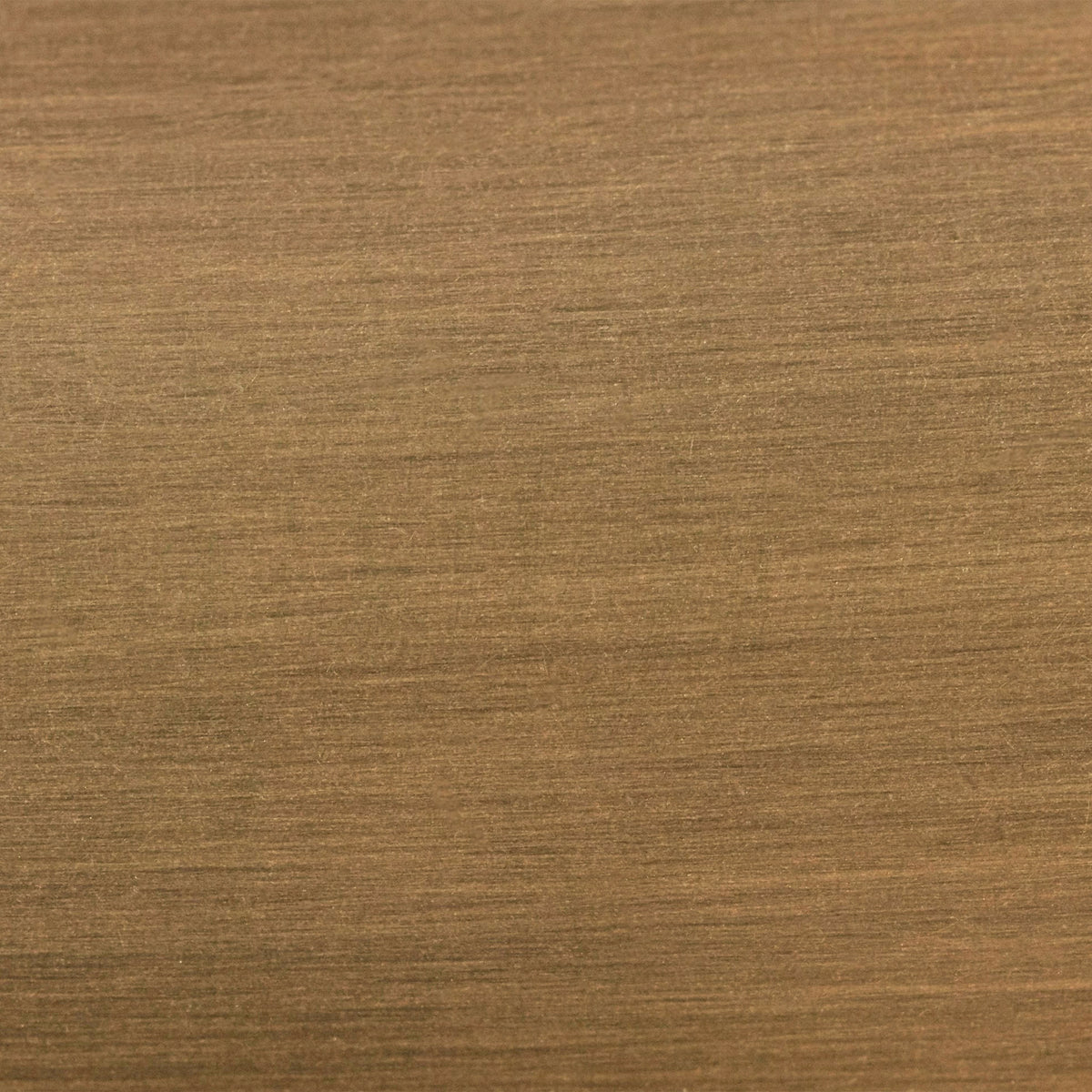 05
05 06
06 07
07 08
08 09
09 10
10 11
11 12
12 13
13 14
14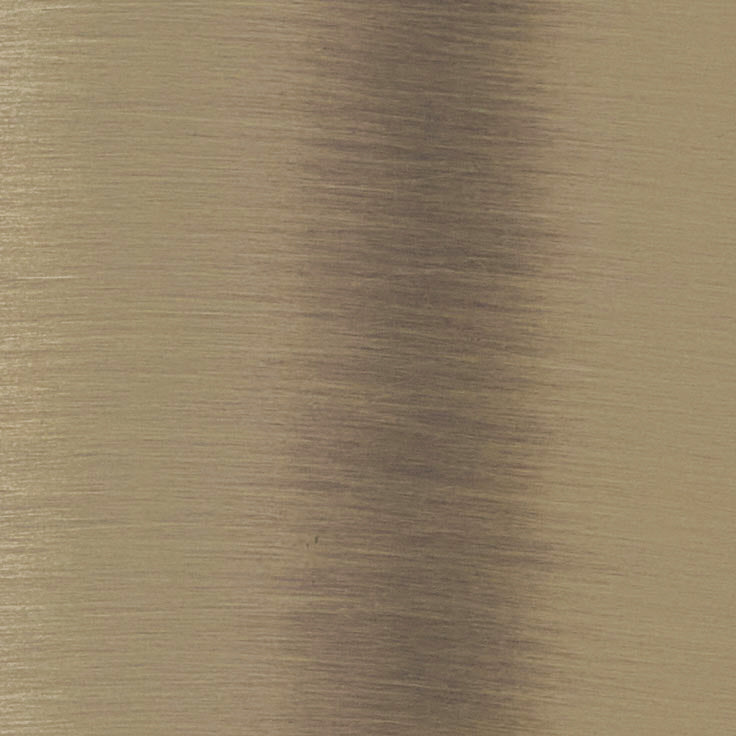 15
15 16
16 17
17
Finitions 01–17 · laiton, bronze, fer, acier, nickel, chrome, noir · patines personnalisées sur demande
Commandez par numéro, pas par nom. « Laiton antique », « laiton vieilli », « laiton brossé » — posez la question à cinq ateliers et cinq métaux différents reviendront. La Finition 04 est le même échantillon physique dans notre studio, sur l'établi de l'atelier et sur votre bon de livraison.
Et parce qu'aucun écran ne rend le métal honnêtement, nous expédions les panneaux physiques avant que quoi que ce soit ne soit engagé. Tenez-les contre vos meubles et la peinture murale, à l'heure où vous utilisez réellement la pièce — puis envoyez le numéro.
Une couleur cultivée, non peinte.
Une finition en laiton n'est pas une couche de peinture — c'est une réaction chimique contrôlée à la surface du métal. Là où une laque pulvérisée repose sur le dessus et s'écaille finalement, une véritable patine est le laiton réagissant avec le soufre, l'ammoniac ou les sels acides jusqu'à ce que les ions de sa surface changent de couleur. La teinte que vous voyez est le métal, transformé. C'est pourquoi une finition Radilum patinée s'approfondit avec l'âge au lieu de s'écailler — et pourquoi chaque pièce est coloriée à la main, une à la fois.
Sept étapes, dix à douze semaines,
et rien n'existe avant que vous le choisissiez.
Un luminaire Radilum n'est pas retiré d'une étagère. Il est usiné, coulé, poli, patiné et scellé après que vous le commandiez — c'est pourquoi la finition peut être exactement ce que vous voulez, et pourquoi le tout prend douze semaines plutôt que deux jours.
Un spécialiste de projet unique pilote la commande du briefing à l'installation. Il n'y a pas de transition entre la vente, le design, la production et la logistique ; la personne qui répond à votre premier email est celle qui vous envoie les photographies de polissage.
Les quatre étapes que vous verrez photographiées
Les étapes trois à six se déroulent à l'atelier, et chacune vous arrive par courriel sous forme de photographie horodatée. Non pas parce que les images vendent quoi que ce soit — douze semaines, c'est long pour faire confiance à un atelier de l'autre côté du monde, et une photographie est la seule preuve que ce que nous avons décrit s'est réellement produit. Elles arrivent que vous les demandiez ou non.

Acier découpé d'après votre dessin
Le rendu signé devient un modèle paramétrique, puis une trajectoire d'outil cinq axes, puis un moule en acier découpé dans notre propre atelier. Rien n'est externalisé ici — une tolérance perdue à ce stade ne peut pas être récupérée plus tard.

H65 — l'alliage de douille de cartouche
65 % de cuivre, 35 % de zinc : le laiton d'abord spécifié pour les cartouches militaires parce qu'il absorbe les chocs sans se fissurer. Chaque pièce coulée est recuite pour qu'elle ne se craquelle pas dans dix ans.

La couleur est développée, non pulvérisée
Un technicien porte votre luminaire à travers chaque grain, puis le bain de patine. La réaction est arrêtée en quelques secondes après avoir atteint la teinte, et les points hauts sont polis à la main. Sa signature est gravée sur la plaque de montage.

Scellant multicouche, testé pour 25 ans
Trois couches d'Incralac importé — le vernis de conservation que les musées utilisent sur les sculptures en bronze. Les tests de vieillissement accéléré projettent plus de 25 ans sans ternissement — ou nous sautons entièrement cette étape, sur demande.
L'échantillon est l'étape la moins chère de toute la commande et la seule qui prévient un refaçonnage — la finition est la seule variable qui ne peut pas être corrigée une fois que le luminaire est construit.
Cinq archétypes — le portefeuille professionnel.
La plupart des projets commencent par l'une des cinq catégories standard. Chaque catégorie se décline du résidentiel intime à l'hospitalité plein air ; chaque catégorie accepte n'importe lequel des dix-sept finis ; chaque catégorie est expédiée homologuée UL pour l'Amérique du Nord (CE/SAA disponible sur demande).
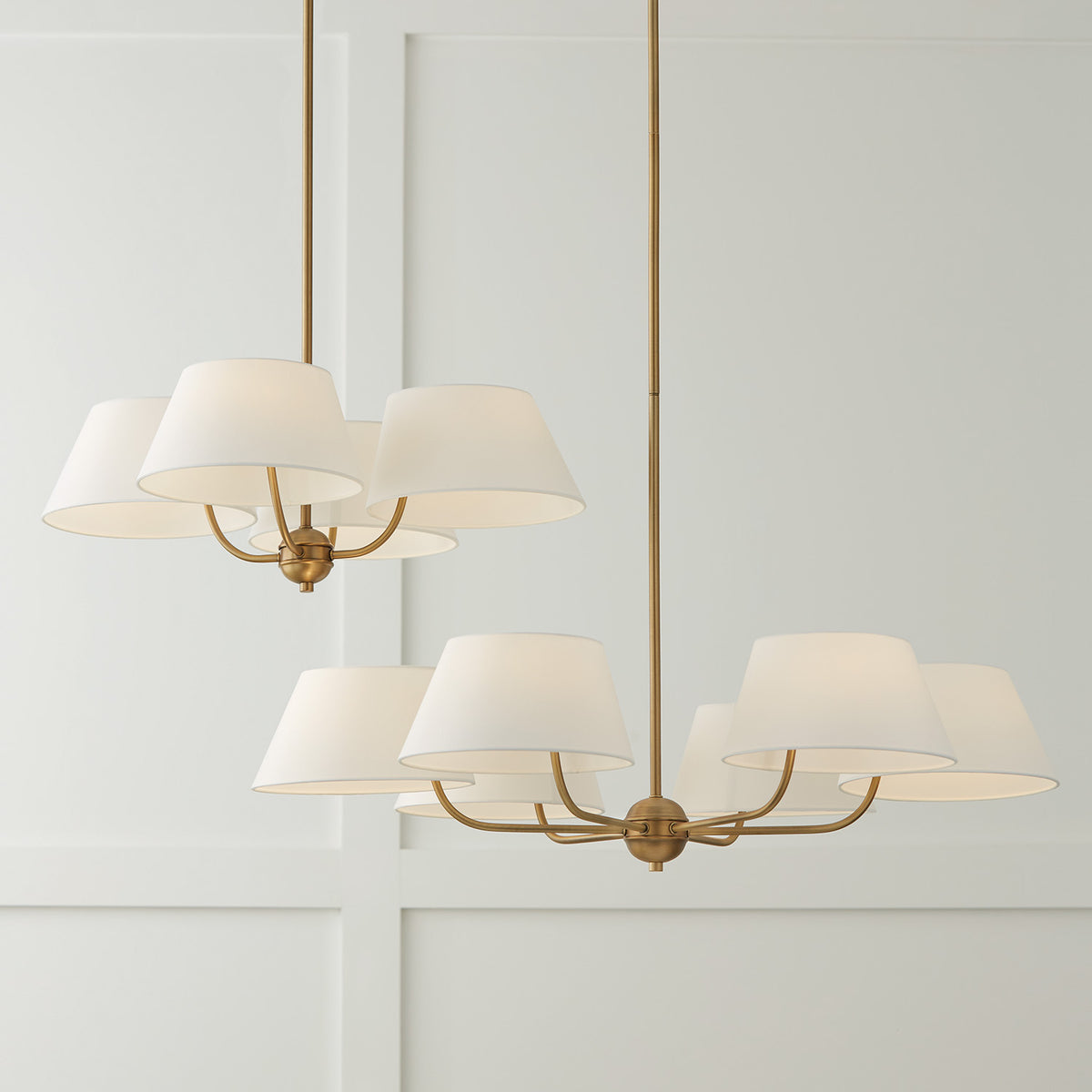

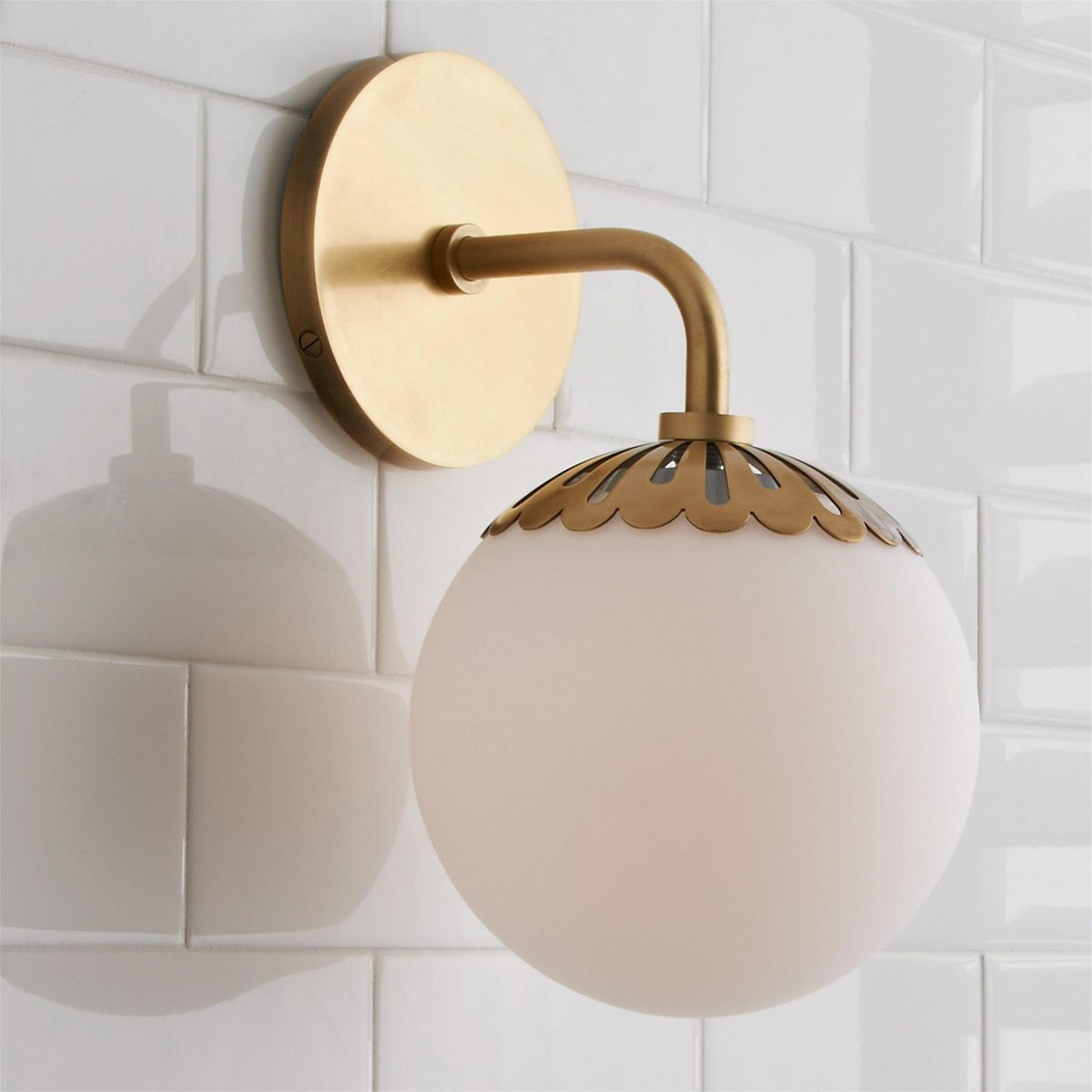


Trois principes issus de deux siècles
de design intérieur américain.
La Radilum American Brass Collection puise sa source dans trois traditions — la proportion néoclassique de l'époque fédérale, le mouvement Arts & Crafts du début du XXe siècle, et le vocabulaire industriel du milieu du XXe. L'ensemble forme un portefeuille qui se lit comme américain non pas parce qu'il est orné d'aigles et d'étoiles, mais parce qu'il incarne la même retenue et l'honnêteté structurelle que ces trois traditions partagent.

Retenue & Proportion
Héritage du style fédéral : symétrie, équilibre, retenue. Les bras s'échelonnent selon les proportions du nombre d'or. Les montures s'ajustent à la dimension de la colonne dont elles se détachent. Rien n'est ornemental par pure décoration. La grandeur réside dans la proportion, non dans l'ornement.

Honnêteté Structurelle
Selon le vocabulaire Arts & Crafts : la fonction exprimée, jamais déguisée. L'assemblage apparaît. Les fixations sont visibles et délibérées. Le bras d'une applique est façonné parce qu'il doit supporter une ampoule — et cette forme est le design. Rien ne prétend être ce qu'il n'est pas.

Abat-Jour Classiques
Héritage du design industriel du milieu du siècle : verre opalin, verre cannelé, lin tissé, grille métallique perforée. Chaque abat-jour porte en lui un vocabulaire centenaire. Nous apparions l'abat-jour à la destination de l'applique — non à la préférence du photographe pour ce qui fonctionne sur les réseaux sociaux.
Commencez par un brief, ou un échantillon de finition.
Que vous ayez besoin d'une simple applique murale pour une chambre ou de cent luminaires assortis pour un projet d'hôtellerie, la première étape est toujours la même — écrivez-nous. Le spécialiste de projet qui lira votre email sera votre interlocuteur du brief à l'installation. Chaque email reçoit une réponse authentique sous 24 heures.
Placer un luminaire encastré ou semi-encastré
La hauteur du plafond détermine le type de montage ; la taille de la pièce détermine le diamètre.
Tableau des tailles
| Taille |
| superficie XS |
| Pièce XS |
| Taille | Ø 2"-6" | Ø 6"-12" | Ø 12"-18" | Ø 20"-24" | Ø 24"-32" | Ø 32"-40" |
|---|---|---|---|---|---|---|
| superficie | 32-54 PI² | 54-107 PI² | 107-161 PI² | 161-215 PI² | 215-269 PI² | 269-378 PI² |
| Pièce | SALLE DE BAIN/COULOIR | SALLE À MANGER | CUISINE | CHAMBRE | SALON | INTÉRIEUR COMMERCIAL |
* Les tailles sont américaines et exprimées en pouces.
Complétez votre intérieur
Pièces qui s'harmonisent avec the Plafonnier
De la même ligne de Plafonnier — sélectionnées pour que la pièce se lise comme un ensemble.


Really happy with this one overall. The light is even and comfortable. It turned out exactly the way I hoped.


All accessories have been installed. The overall appearance is very stylish, the light is soft and not glaring, and it offers great value for money.
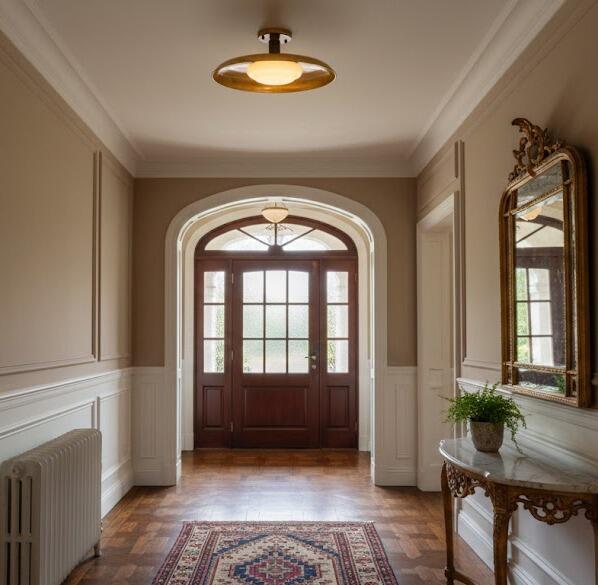
The light source is bright enough, installation is simple, and customer service was very attentive and patient.
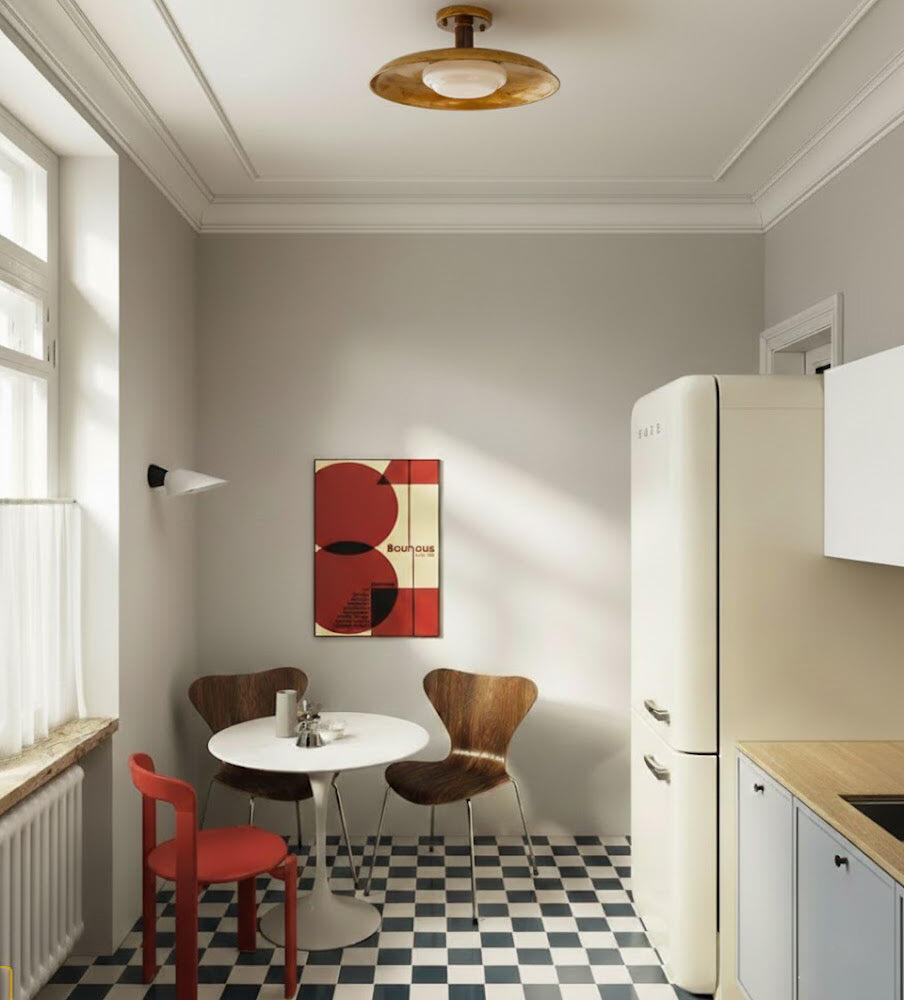
This was the perfect choice for our corridor remodel. It looks modern, classy, and gives off beautiful light. Couldnt ask for more.
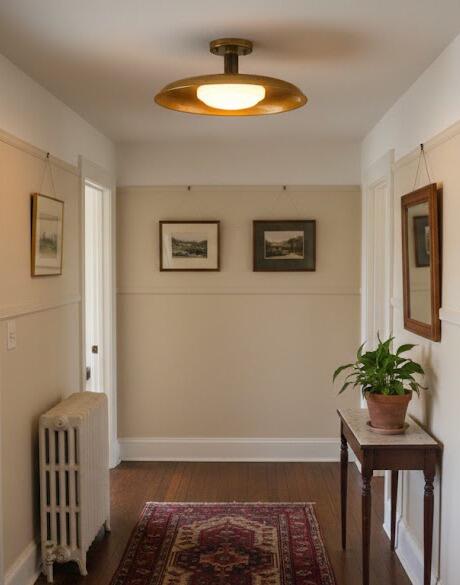
Fast shipping, and the customer service staff were very attentive and patient, answering all my installation questions.
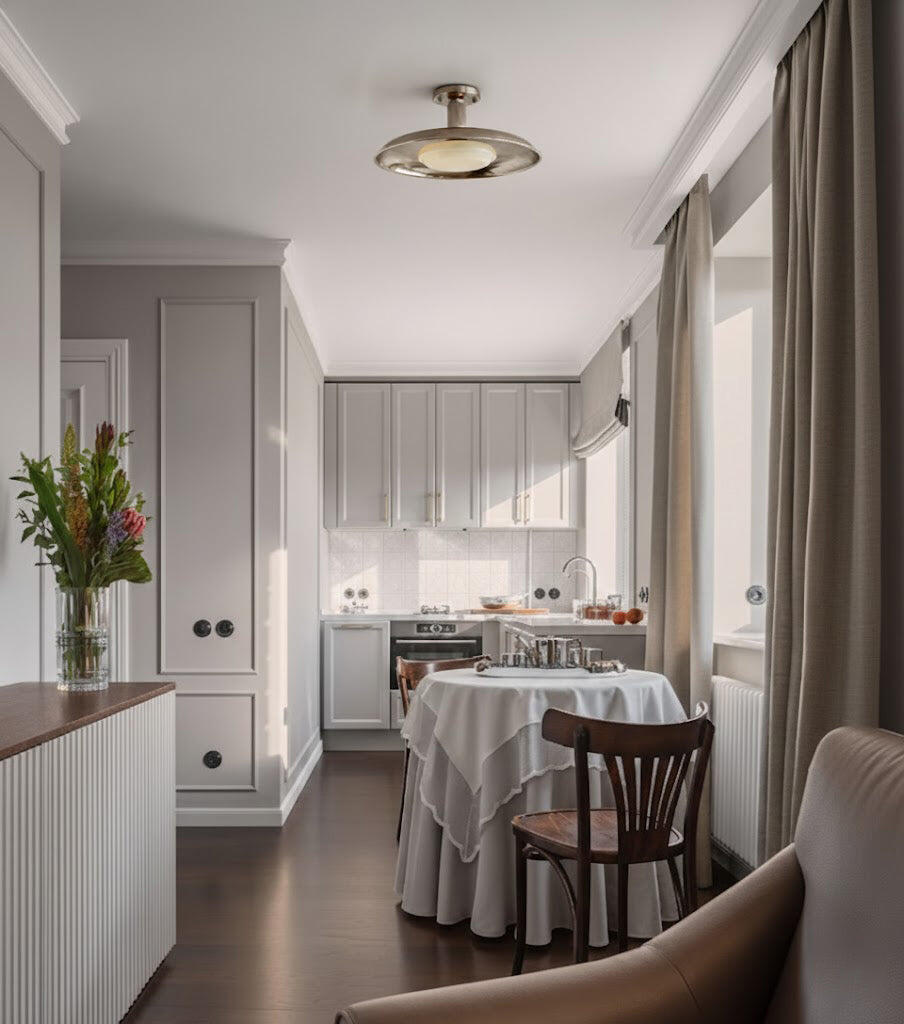
The packaging was very sturdy, and shipping was fast. The actual product is even better than the photos. Definitely worth buying.
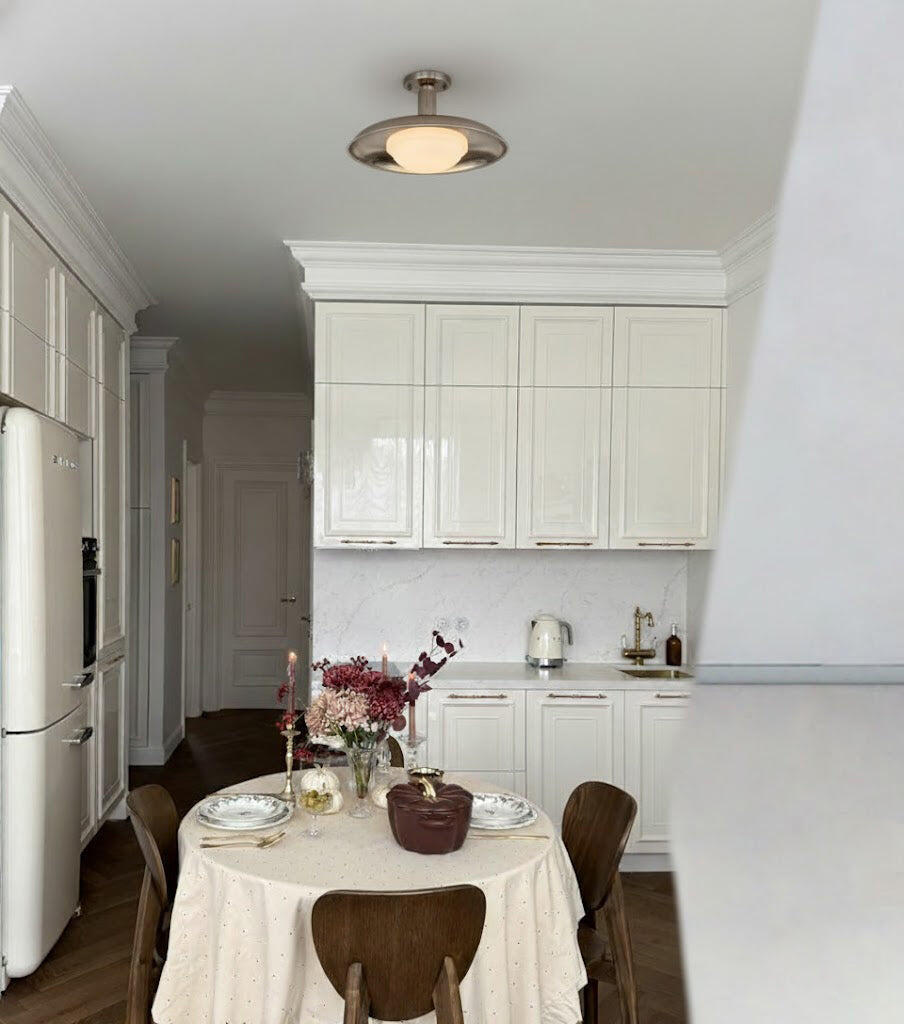
Its design is beautifulmodern and elegantwhether on or off.
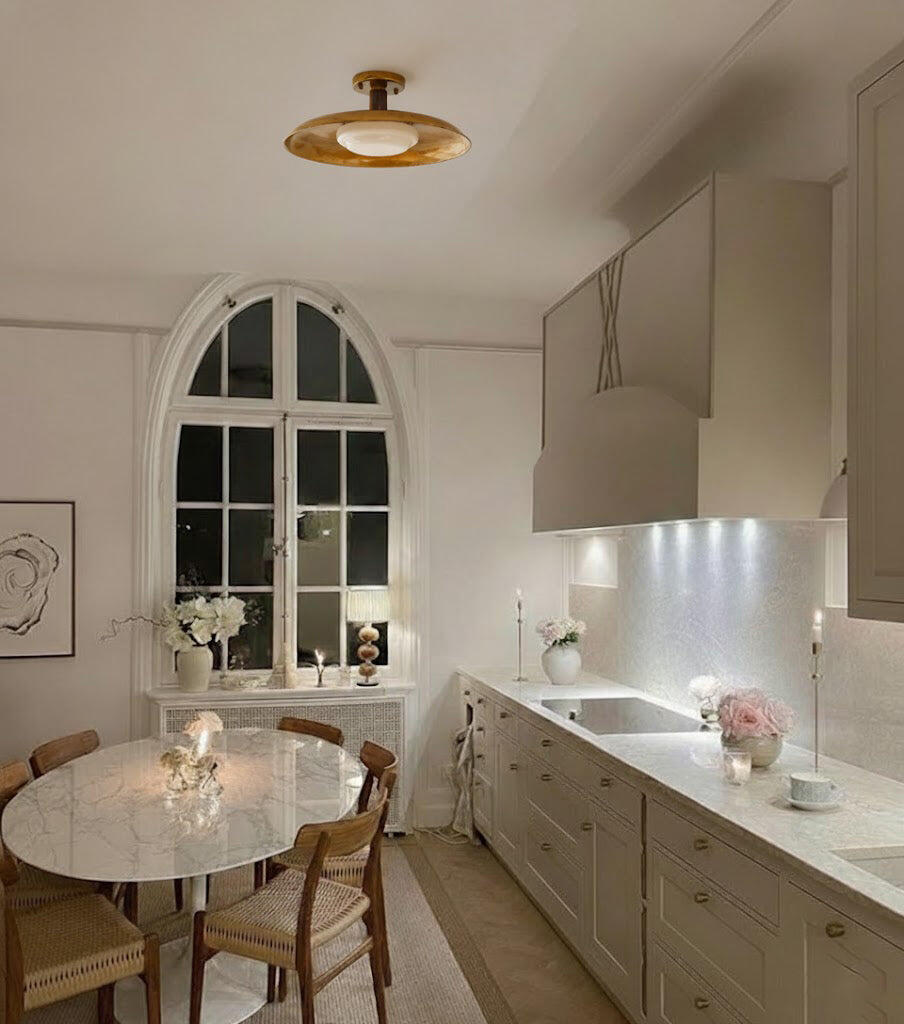
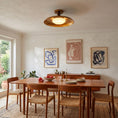
We put this in a small dining area and it worked better than I expected. It’s been a good fit for the space.
What I like most is how practical and good-looking the fixture is at the same time. It stays close to the ceiling, gives off a lot of even light, and still has a shape that feels a little different. I’m very satisfied with it.
Such a nice ceiling light. I’m really happy with it.
We used this in our bedroom and it looks great there.
The design feels understated in the best possible way, bringing quiet sophistication without unnecessary detail.
I installed this ceiling light in my bedroom, and it immediately made the space feel calmer and more cohesive, giving the ceiling a clean and finished look without drawing too much attention.
I like the low-profile look, though the fixture is so subtle that it may not stand out much in more detailed interiors.
Really pleased with this one. It turned out really well.
The simple, grounded form helps the ceiling feel visually stable and well-proportioned.
Looks especially good at night. The light feels soft and comfortable.
The fixture has a very grounded and stable appearance that ties the space together beautifully.
I appreciate how it enhances the room without competing with furniture or artwork.
I like how the ceiling light softens the look of the room without adding visual clutter.
The overall silhouette feels timeless and easy to pair with different décor styles.
It works particularly well in workspaces where a calm and distraction-free atmosphere is important.
The fixture makes the room feel brighter and more open without drawing too much attention.
It works well for general use, but the lighting effect feels more suitable for smaller or secondary spaces than main living areas.
I installed this ceiling light in my guest bedroom, and it immediately made the space feel more relaxed, balanced, and thoughtfully finished.
I added this ceiling light to my home office, and it immediately made the environment feel more focused and visually organized.
Good quality, reliable service, and fast shippinga very good choice.
Bought two for our upstairs hallway and they look amazing. The design blends well with both modern and traditional furniture.
We love how minimal yet eye-catching it is. It doesnt overpower the room, but it definitely adds style.
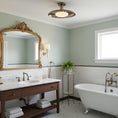
We love these ceiling lamp! Modern look and feel. They work beautifully in both our bathroom and a hallway. Very good quality.
High-end and stylish, excellent workmanship, superior quality, very exquisite, and easy to install.
Récemment consulté
Offre de bienvenue
Dix pour cent de réduction votre première commande
Entrez le code à la caisse. S'applique à la commande complète, y compris les finitions personnalisées.
Commerce & Designers
Programme B2B
Tarification nette sur chaque luminaire, échantillons de finitions, modèles 3D sur demande et un contact projet dédié — pour les architectes d'intérieur, architectes, secteur hôtelier et promoteurs.
Demander un compte professionnel