







Radilum
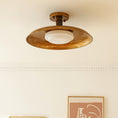
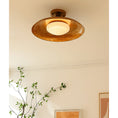
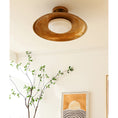
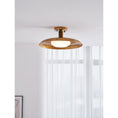
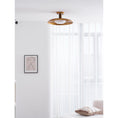
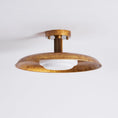
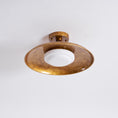
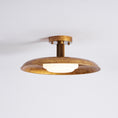
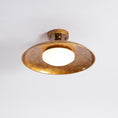
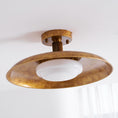
مصباح السقف مسطح بنمط غطاء الوعاء
شحن قياسي مجاني إلى الولايات المتحدة وكندا والاتحاد الأوروبي والمملكة المتحدة وأستراليا والإمارات العربية المتحدة
💡 استخدم رمز القسيمة RDSHN للاستمتاع بخصم 10%
يشتريها العملاء معاً بكثرة

 Dhs. 1,603.00
 Dhs. 686.00
 Dhs. 1,081.00
 Dhs. 1,152.00
حديد · زجاج · معالجة يدوية
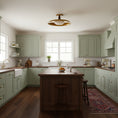
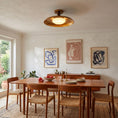
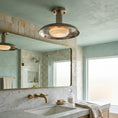
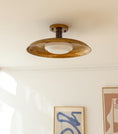
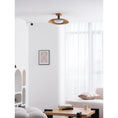
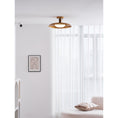
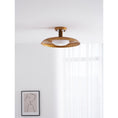
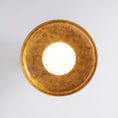
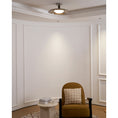
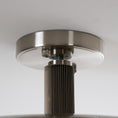
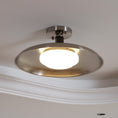
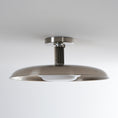
مصباح سقف مسطح مستوحى من غطاء الوعاء البسيط — عريض وقريب من الأرض وثابت. يحتضن جسم Oscar القوي من الحديد ناشراً زجاجياً معتماً يبعثر الضوء الدافئ والمتساوي عبر الغرفة بأسفله. مثبت بالكامل ومؤرّق، يختفي في السقف بينما يرسّخ بهدوء أي مساحة يسكنها.
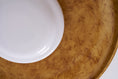
نسخة ذهبية: يتم إنهاء الشريط الحديدي يدويّاً، مما ينتج عنه اختلاف لوني طفيف يجعل كل قطعة فريدة. لا قناع ورنيش، لا طلاء موحد — تظهر الملمس من عملية الإنهاء نفسها.
شاهدها في الحركة
المميزات
صورة ظل غطاء الوعاء
شكل مسطح عريض مع حافة مقببة كلاسيكية — حضور جوهري بدون كثافة.
تعتيم TRIAC الدافئ
يعمل مع أي مخفف جدار TRIAC قياسي. درجة حرارة اللون تصبح أكثر دفئاً مع انخفاض السطوع — مثل ضوء الشموع.
مصباح LED متكامل بقوة 24 واط
وحدة LED مدمجة — توهج متسق ومتساوٍ عبر كامل الناشر. إذا احتاج مصدر الضوء إلى عناية، اتصل بنا وسنزودك بقطعة بديلة.
خيارات التشطيب — اختاري عند الطلب
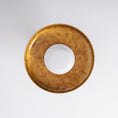
حديد مذهب
لون ذهبي مصقول دافئ مع تباين لوني عضوي عبر الشريط. يتناسب مع الخشب الطبيعي والكتان والجدران الكريمية والتراكوتا والعناصر الزرقاء الداكنة. كل قطعة فريدة — الاختلاف الطفيف الشبيه بالصدأ جزء من الشخصية.
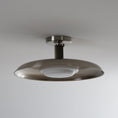
نيكل مصقول
إنهاء نيكل مصقول مكتوم مع لمعة متساوية وباردة. يناسب الأماكن الداخلية الحديثة والصناعية — الخرسانة والجص الأبيض والبلوط الداكن المصبوغ والحجر المصقول. متحفظ ودقيق، بنفس عمق اليد المصنوع مثل الذهب.
الملمس المنهى يدويّاً مقصود. الاختلاف اللوني الطفيف عبر سطح الشريط جزء من الشخصية الحرفية للمصباح — نتيجة من عملية الإنهاء، وليس عيباً إنتاجياً. كلا الإنهاءات تتمتعان بهذه الخاصية.
ملاحظات المنتج
| رمز المنتج | RDC-F6673 |
| اسم المنتج | مصباح السقف مسطح بنمط غطاء الوعاء |
| المواد | جسم من الحديد · ظل زجاج معتم |
| مصدر الضوء | مصباح LED مدمج · تواصل معنا إذا لزم الاستبدال |
| الطاقة | 24W |
| درجة حرارة اللون | أبيض دافئ 3000K (الافتراضي) · درجة حرارة لون مخصصة متاحة بناءً على الطلب |
| التعتيم | TRIAC · إضاءة التوهج الدافئ (اللون يصبح أدفأ مع انخفاض السطوع) |
| الجهد | تيار متردد 110–240 فولت · عالمي |
| التركيب | مصباح سقفي متوافق · مع توصيل كهربائي · صندوق وصل قياسي |
| درجة الحماية | IP20 · للاستخدام الداخلي فقط |
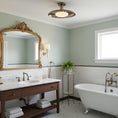
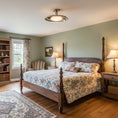
| حجم الغرفة المناسب | 10–18 م² (110–195 قدم²) — غرف النوم، غرف الطعام، الممرات، المداخل |
| التشطيبات |
ذهبي نيكل
|
| لون الظل | زجاج أبيض معتم |
التثبيت
- تركيب مدمج متوافق مع السقف — يُنصح بتركيب بواسطة كهربائي مرخص.
- يتم التركيب مباشرة على صندوق الوصل القياسي في السقف (لا يتطلب محول خاص).
- متوافق مع مفاتيح التعتيم TRIAC القياسية — تُباع بشكل منفصل.
- وحدة LED مدمجة في الثريا. في حالة تلف مصدر الضوء أو عطله، يرجى التواصل معنا — يمكننا توفير وحدة بديلة.
- مصنف للأماكن الداخلية الجافة فقط (IP20). غير مناسب للحمامات أو المساحات الرطبة.
- جهد عالمي (AC 110–240V) — متوافق مع أنظمة الطاقة في أمريكا الشمالية والاتحاد الأوروبي والمملكة المتحدة وأستراليا.
كما رأينا على Instagram
تركيبات العملاء الحقيقيين — اضغط على أي بطاقة لفتح المنشور الكامل على Instagram.


الملفات
الأسئلة الشائعة
هل هذا المصباح السقفي قابل للتعتيم؟ +
نعم — فإن Oscar متوافق تماماً مع مفاتيح التعتيم TRIAC القياسية (تُباع بشكل منفصل، لا يتطلب متحكماً خاصاً). عند خفض السطوع، تتحول درجة حرارة لون الضوء نحو الدفء — من الأبيض النقي إلى التوهج العنبري الناعم — مما يحاكي تأثير المصابيح المتوهجة التقليدية.
هل مصباح LED قابل للاستبدال؟ +
وحدة LED بقوة 24W مدمجة في الثريا وليست مصممة للاستبدال بنفسك. لكن إذا تعرض مصدر الضوء للتلف أو انتهى عمره الافتراضي، يرجى التواصل معنا — يمكننا توفير وحدة بديلة وإرشادك خلال العملية.
ما حجم الغرفة المناسب لهذا المصباح؟ +
بقطر 50 سم (19.7 بوصة) وإخراج 24W، يناسب Oscar الغرف التي تبلغ مساحتها حوالي 10–18 متراً مربعاً (110–195 قدماً مربعاً). يعمل بشكل خاص في غرف النوم والمناطق الحاصة بتناول الطعام والممرات والمداخل. للمساحات المفتوحة الكبيرة، فكر في تثبيت وحدتين.
ما الجهد الذي يدعمه؟ +
AC 110–240V — جهد عالمي. يشحن Oscar جاهزاً للاستخدام في أمريكا الشمالية (110–120V) وأوروبا (220–240V) والمملكة المتحدة وأستراليا دون أي تعديل أو محول.
هل يمكنني طلب درجة حرارة لون مختلفة؟ +
تأتي النسخة القياسية باللون الأبيض الدافئ (3000K)، وهي مثالية للمساحات السكنية والمعيشة. إذا كنت بحاجة إلى اللون الأبيض المحايد (4000K) أو ضوء النهار (5000K)، يرجى التواصل معنا قبل تقديم طلبك — تتوفر خيارات درجة حرارة لون مخصصة حسب الطلب وقد تؤثر على موعد التسليم.
حول النسيج اليدوي المنتهي +
يتم الانتهاء من الأغطية الذهبية والنيكل يدوياً، مما يؤدي إلى اختلافات دقيقة في اللون وأنماط السطح عبر كل قطعة. لا يوجد مصباحان متطابقان. هذا التباين اللوني — ولا سيما الظاهر على الذهبي — هو خاصية متعمدة من عملية الإنتاج الحرفي، وليس عيباً. يُتوقع الاختلافات البسيطة بين الوحدات وتعتبر جزءاً من التصميم.
هل تبدو نسخة الذهب والنيكل مختلفة بما يتجاوز اللون؟ +
يشترك النهايتان في نفس جسم الحديد وتصميم غطاء زجاجي، لكن لهما شخصيات مميزة. يتمتع الإصدار الذهبي بعمق باتينا دافئ وعضوي مع نبرات عنبرية وأوكسايد. والنيكل له بريق أكثر برودة وموحداً — دقيق وخافت. كلا النهايتين تظهران نفس العمق المصنوع يدوياً؛ النيكل ببساطة أكثر اعتدالاً في التباين.
التنزيلات
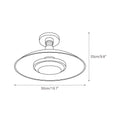
Dimension drawings

هل تحتاج ملف ثلاثي الأبعاد أو مستند آخر؟ اسأل مصمماً — إنه مجاني؛ يتم رسم ملفات ثلاثية الأبعاد لمشروعك، لذا تفضل بقليل من الوقت.
الأسئلة الشائعة
ما أبعاد إضاءة السقف هذه؟
مصباح السقف المسطح بأسلوب غطاء الوعاء بقطر 50 سم (19.7″) وارتفاع 25 سم (9.8″).
ما هي المواد والتشطيبات المتاحة؟
الجسم مصنوع من الحديد مع منشور زجاجي مصقول. اختر بين حديد مذهب (ذهبي مصقول دافئ بتباين طبيعي عضوي) أو نيكل مصقول (تشطيب مصقول كتيم مع لمعان بارد).
ما أسلوب هذا المصباح؟
هذا مصباح سقفي بطراز ما بعد الحداثة والعصري يتميز بشكل يشبه غطاء القدر — لوح مسطح عريض مع إطار مقبب.
أي الغرف مناسبة لهذا الضوء؟
يناسب غرف النوم وحجرات الطعام والمكاتب والدراسة. مصمم للغرف التي تتراوح مساحتها بين 10 و 18 متر مربع (110–195 قدم مربع).
ما نوع مصدر الضوء الذي يستخدمه، وهل هو قابل للتعتيم؟
يحتوي على LED متكامل بقوة 24W مع درجة حرارة لونية دافئة 3000K. إنه قابل للتعتيم بالكامل باستخدام مفاتيح تعتيم TRIAC قياسية (تباع بشكل منفصل)؛ يصبح اللون أكثر دفئًا مع انخفاض السطوع.
كيف يتم تثبيت هذا المصباح؟
وهو متصل مباشرة بالكهرباء ومثبت بشكل مباشر على صندوق موصل سقفي قياسي. يُنصح بالتركيب بواسطة كهربائي مرخص.
لا تزال غير متأكد؟ اطرح سؤالاً — سيتم الإجابة خلال يوم عمل واحد.
- تصميم فريد الشكل
- مصنوع بمسؤولية
- مادة عالية الجودة
- مختبر من حيث المتانة
العناية
العناية
- امسحها بقطعة قماش ناعمة وجافة.
- لحماية الطلاء، لا ننصح باستخدام منظفات منزلية أو مواد كاشطة.
- لا تتجاوز قوة الواط المحددة.
سياسة الشحن والإرجاع
سياسة الشحن والإرجاع
استمتع بشحن قياسي مجاني على كل طلب، مؤمّن ومتتبع حتى باب منزلك. يمكن إرجاع العناصر المؤهلة خلال 30 أيام من الاستلام. العناصر المصنوعة حسب الطلب غير مؤهلة للإرجاع.
في ورشتنا
مصنوع حسب الطلب، مرسل مؤمن عليه
كل تركيبة يتم صنعها عند طلبها — عادةً 1–3 أسابيع في ورشتنا، قليلاً أطول للزجاج المنفوخ يدويًا والقطع الكبيرة. ثم يتم شحنها بتأمين بحري، مع التعامل مع الجمارك من جانبنا، مع التتبع إلى باب منزلك: تصل معظم الطلبات في غضون 5–7 أسابيع بعد الطلب. هل تحتاج إليها أسرع؟ النقل الجوي السريع يستغرق 2–4 أسابيع في المجموع، مع السعر في الدفع.
اصْنَعْتَ طَرِيقَك
لا شيء هنا ثابت
غيّر التشطيب أو اللون أو الحجر أو الحجم — أو أرسل لنا شكلاً.
خدمات التصميم
خطط إضاءة منزلية شاملة مجانية
أرسل مخططات الأرضيات أو الصور؛ سيقدم مصمم Radilum خطة غرفة تلو الأخرى مع نوع التركيبة والحجم وارتفاع التثبيت — عادة في غضون يومي عمل.

شحن مجاني
شحن قياسي مجاني، مؤمّن وموثوق حتى باب منزلك.

شهادة أمريكا الشمالية
نظرة عامة على شهادة أمريكا الشمالية

الدفع الآمن
دفع آمن باستخدام بطاقات ائتمان متعددة.


قصة الحديد والنحاس
مسبوك، مشغول ومشطب يدوياً
تركيباتنا من النحاس والحديد مسبوكة ومشغولة ومشطبة يدوياً في ورشتنا الخاصة — مذهبة أو برونزية أو مطلية بالورنيش يدوياً، وهذا هو السبب في أن أي اثنتين لا تحملان بالضبط نفس التوهج. يتم نمو اللون في حمام التشطيب بدلاً من الرش، ثم يُختم ليشيخ برشاقة. اختر التشطيب أعلاه، أو اطلب أي تشطيب معدني آخر من مكتبة التشطيبات.
المعدن الذي يحمل
ضوء السنوات.
النحاس هو الخليط الذي تلجأ إليه الحضارات عندما تريد أن يدوم الضوء. مقابض الأبواب التي صقلتها ثلاث أجيال. أدوات بحرية لا تزال قابلة للقراءة بعد قرن من إلغاء السفينة. شمعدانات الكنائس التي تتجاوز عمر الرعية. مجموعة Radilum للنحاس الأمريكي مبنية على نفس التوقع — مثبتات مطروقة من نحاس الخرطوشة H65، منتهية يدوياً، محمية ضد الزمن، وموجودة ليكون المصباح الذي يتعرفه أحفادك لا يزال معروفاً.

الخليط الذي يرفض أن يتقدم في السن.
النحاس هو سبيكة نحاس-زنك أقدم ذوبان معروف لها يعود إلى حوالي 500 قبل الميلاد في شرق البحر الأبيض المتوسط — الحرفيون اليونانيون يخلطون خام الكالامين مع النحاس الأصلي لإنتاج معدن يضرب مثل الذهب لكن ينحني مثل الأداة. بحلول فترة الإمبراطورية الرومانية، كان النحاس مادة العملات المعدنية والتركيبات العسكرية والمصابيح المنزلية التي أضاءت روما في أواخر الجمهورية. بعد ألفين ونصف سنة، لا يزال يظل، بهامش ضخم جداً، أكثر سبيكة هندسية غير حديدية استخداماً على الكوكب — ومساعد صناعة الإضاءة الهادئ.
ما يجعل النحاس مناسباً بشكل فريد للإضاءة هو تزامن الخصائص التي لا يحققها أي معدن عنصر واحد. النحاس يعطيه عمقاً لونياً دافئاً والأحمر-الأصفر المحدد الذي يُقرأ كـ فاخر وليس صناعياً. الزنك يصلب السبيكة بما يكفي لتحمل الملامح المحددة بحدة والتركيبات الملولبة والتفاصيل المصبوبة دون نعومة النحاس النقي أو رتابة الصب الرمادي. المزيج ينتج معدناً قابلاً للعمل عندما تحتاج إليه — وجامداً للقرن القادم.
من بين عشرات درجات النحاس المتاحة للمصنعين، تحدد Radilum نحاس الخرطوشة H65 — 65% نحاس، 35% زنك. يأتي الاسم من استخدامه الأصلي: قذائف الذخيرة العسكرية، حيث كان على المعدن امتصاص صدمة الإطلاق دون الانقسام. نفس هذه الصلابة، المطبقة على ذراع مصباح، تعني أن الجزء يبقى مستقراً بأبعاد تحت عقود من التدوير الحراري وشد الأجهزة واستبدال المصابيح. السبائك الأقل نحاساً (H62، H59) أرخص لكنها أكثر هشاشة. نحن لا نستخدمها.
مجموعة Radilum للنحاس مبنية على اعتراف بسيط بأن صناعة الإضاءة الأوسع قضت العقدين الماضيين في نسيانه: أن الفرق في التكلفة بين تركيبة نحاس حقيقية وتركيبة مطلية بالنحاس من الزنك قابل للقياس بسنوات الخدمة، وليس الدولارات عند الدفع.
أربع خصائص التي تغير كل شيء
عن كيفية تقدم المصباح في السن.
يتم اختيار معظم مواد التركيبات لكيف يبدو المصباح في صورة الفرقة. النحاس هو واحد من عدد قليل جداً من المواد التي تكسب مكانها على مدى السنوات الثلاثين القادمة. تأتي الاختلافات من أربع خصائص فيزيائية وجمالية.
01 كتلة تُقرأ كجودة
النحاس H65 الصلب له كثافة 8.5 غ/سم³ — أكثف من الفولاذ، أكثف من الحديد الزهر، أكثر من ثلاثة أضعاف وزن الزنك المصبوب. سُمُع النحاس من حجم قابل للمقارنة بأحد مطلي بالنحاس من الزنك سيزن ما يقرب من أربع مرات أكثر. تشعر بالفرق اللحظة التي تحمل فيها الصندوق. إنها ليست تسويقاً — إنها كيمياء.
02 نهاية حية، لا طلاء
نهايات مطلية بالنحاس هي طلاء يحدث أن يكون معدنياً. تخدش، تتشقق، وتكشف عن السبيكة الرخيصة بالأسفل. النحاس الصلب هو النهاية — ما تراه هو المعدن نفسه، مصقول أو متفحم. خدش على النحاس المطلي هو عيب؛ خدش على النحاس الصلب هو علامة بلى تُصقل للخارج. هذا هو السبب في أن آلات النحاس تبقى على قيد الحياة قرناً من الجولات بينما أجهزة مطلية تتقدم في العمر بشكل غير موضة في خمس سنوات.
03 مضاد للميكروبات بشكل طبيعي
سبائك النحاس هي oligodynamic — بمعنى أن أيونات سطحها تعطل أغشية الخلايا الميكروبية عند الملامسة. تسجل وكالة حماية البيئة النحاس الصلب والبرونز كأسطح مضادة للميكروبات. لوحة مفاتيح نحاسية أو سحب مصباح أو تركيبة باب هي أنظف بشكل كبير من معادلة الفولاذ المقاوم للصدأ. بالنسبة للتركيبات عالية اللمس (مصابيح جانب السرير، جدران الممر) هذا مهم أكثر مما تذكره الكتيبات عادة.
04 طيف العين يقرأ كدافئ
ينعكس النحاس الضوء بشكل انتقائي عبر الطيف المرئي — حيث يمتص الأزرق والأخضر بشكل أكثر قليلاً، وينعكس الأحمر والأصفر بشكل أكبر. والنتيجة أن أي مصدر ضوء مثبت داخل أو بالقرب من تركيبة نحاسية يكتسب توهجاً دافئاً خافتاً. نصمم مواصفات LED مع أخذ هذا التحول في الاعتبار: لمبة بقوة 2700K خلف النحاس تبدو للعين وكأنها تقريباً 2550K، وهي درجة حرارة اللون الخاصة بضوء نافذة ما بعد الظهيرة.
ستة تشطيبات. ستة حوارات مختلفة
بين المعدن والمساحة.
يمكن تشطيب كتلة واحدة من H65 بعشرات الطرق — والتشطيب، أكثر من أي متغير آخر، يحدد شخصية التركيبة. تحتفظ الورشة بستة أحرف معيارية وتضيف باتينا مخصصة عند الطلب. يتم إرسال عينات فيزيائية قبل الطلب النهائي لكل مشروع يضم ثلاث تركيبات فأكثر.
- الانعكاسية~85%
- الطلاء الواقيIncralac
- الأفضل لـالمساحات الرسمية
- الانعكاسية~35%
- الملمسحبة ساتان خطية
- الأفضل لـمعظم المشاريع
- اللونعنبري إلى أسود
- التنوعكل واحد فريد
- الأنسب لـالديكورات العتيقة
- الانعكاسية~5%
- الحوافتوهج نحاسي
- الأنسب لـحداثة فاخرة
- مادة الحمايةبدون
- اللون الطبيعيمستمر
- الأنسب لـالمنازل التراثية
- الطلاءنيكل ساتيني
- الجسمنحاس صلب H65
- الأنسب لـاللوحات الباردة
السبعة عشر التي يمكنك طلبها فعلاً
الأحرف الستة أعلاه تصف كيف يتصرف اللون. ما تختاره فعلياً هو واحد من سبعة عشر لوناً مرقماً — أو لون طبيعي مخصص ينمو ليطابق عينة ترسلها لنا.
 01
01 02
02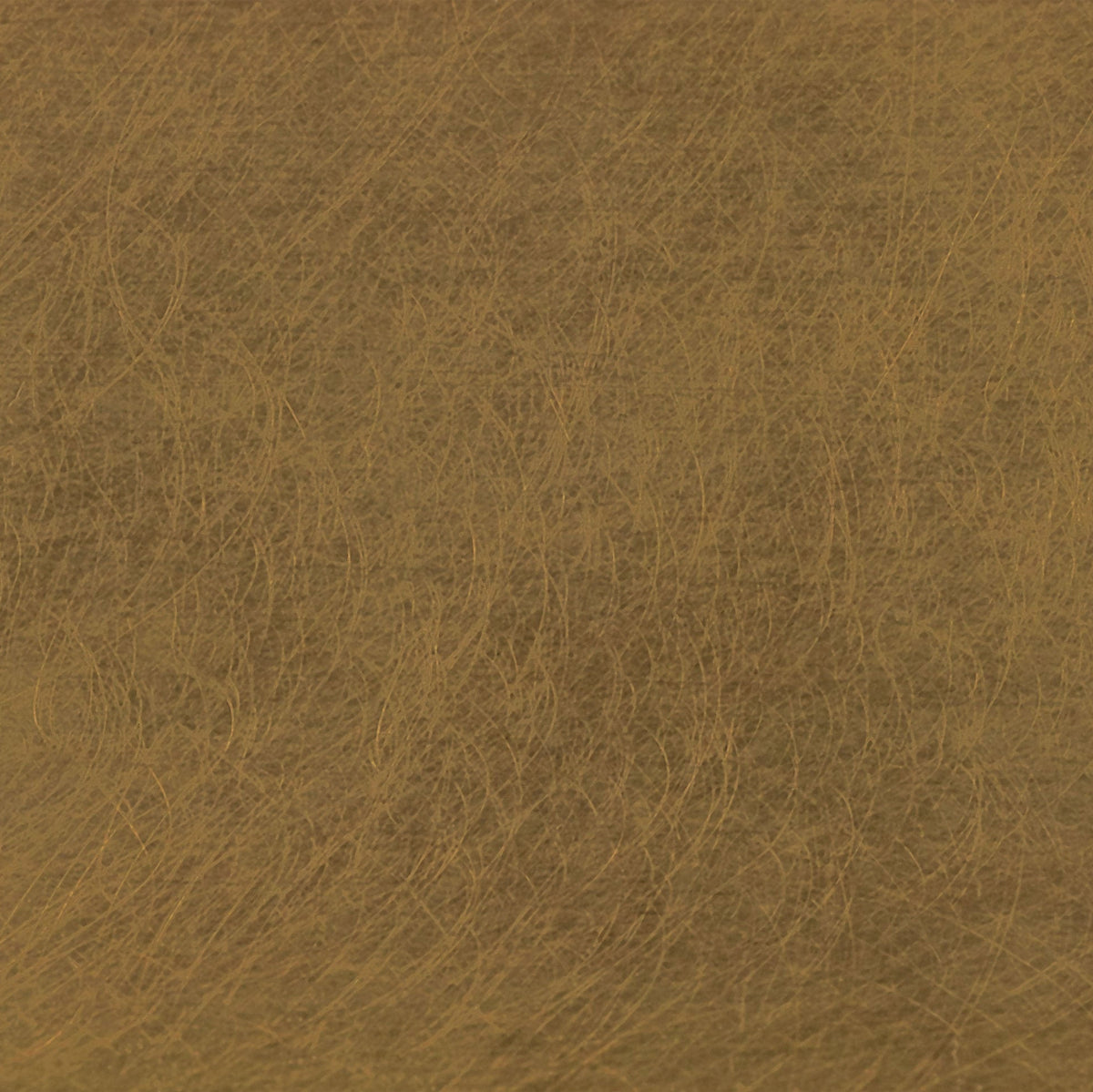 03
03 04
04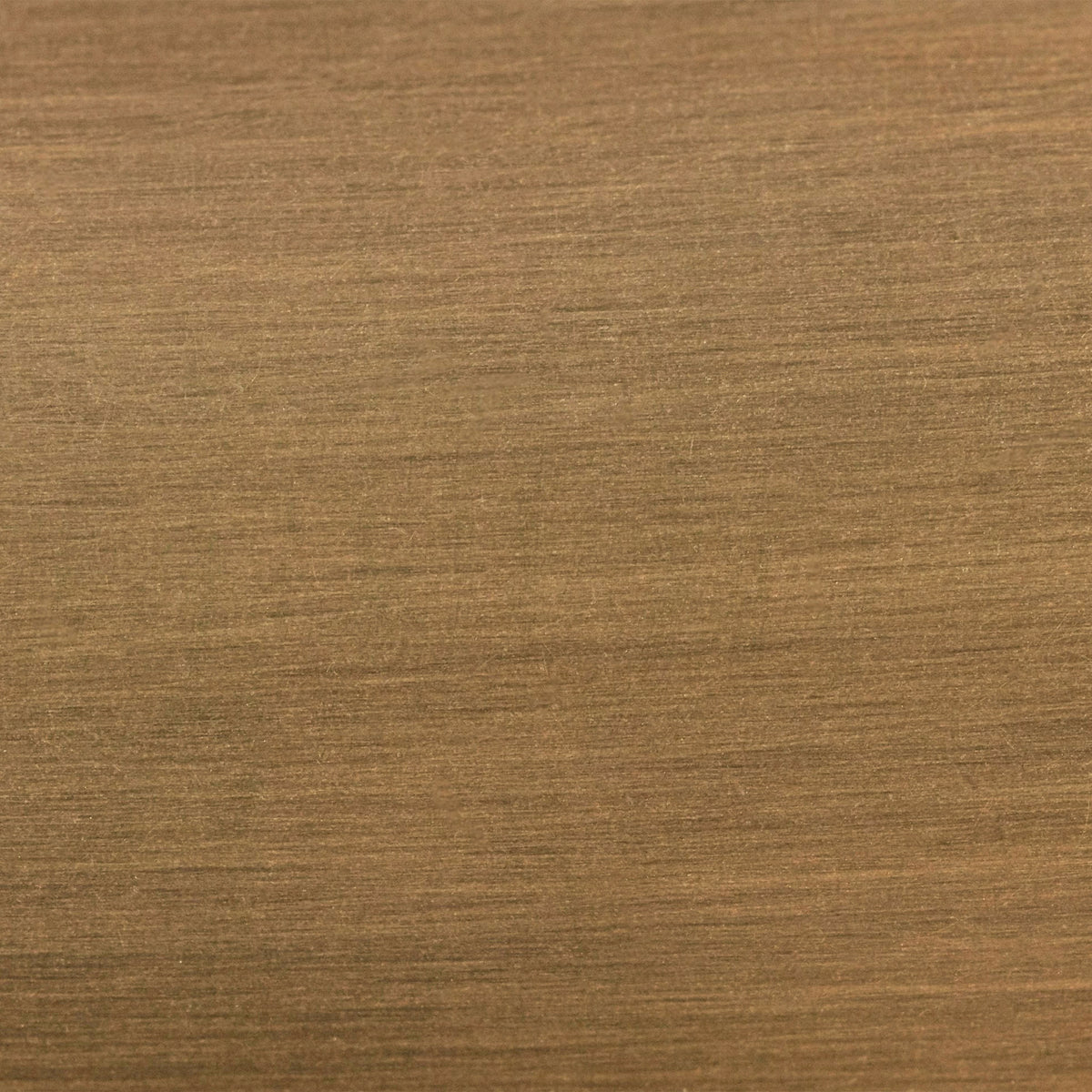 05
05 06
06 07
07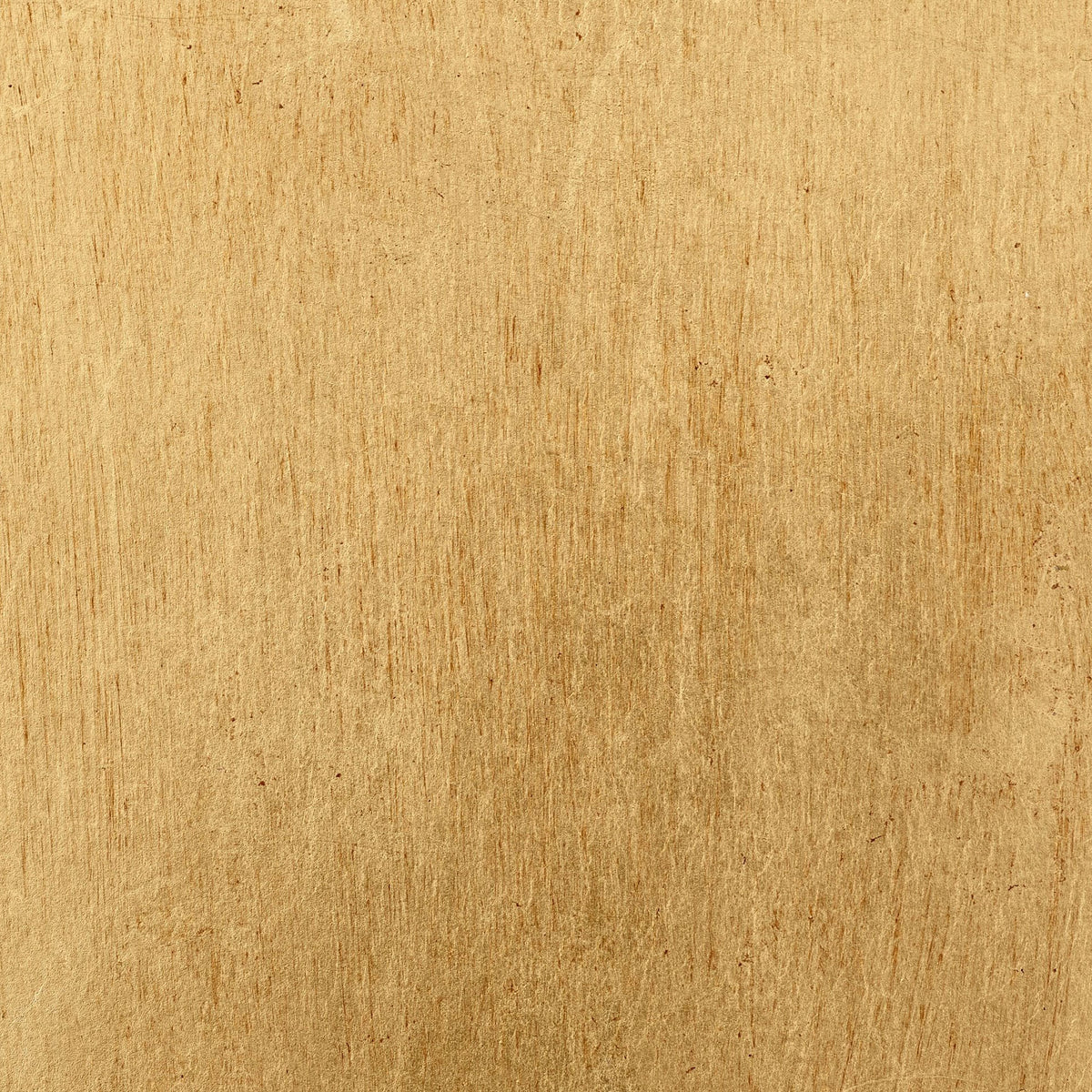 08
08 09
09 10
10 11
11 12
12 13
13 14
14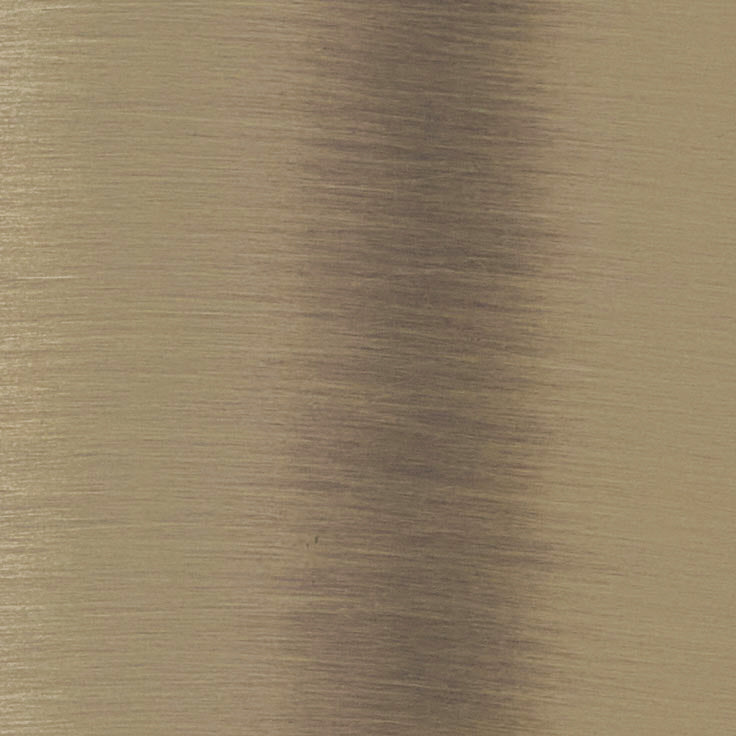 15
15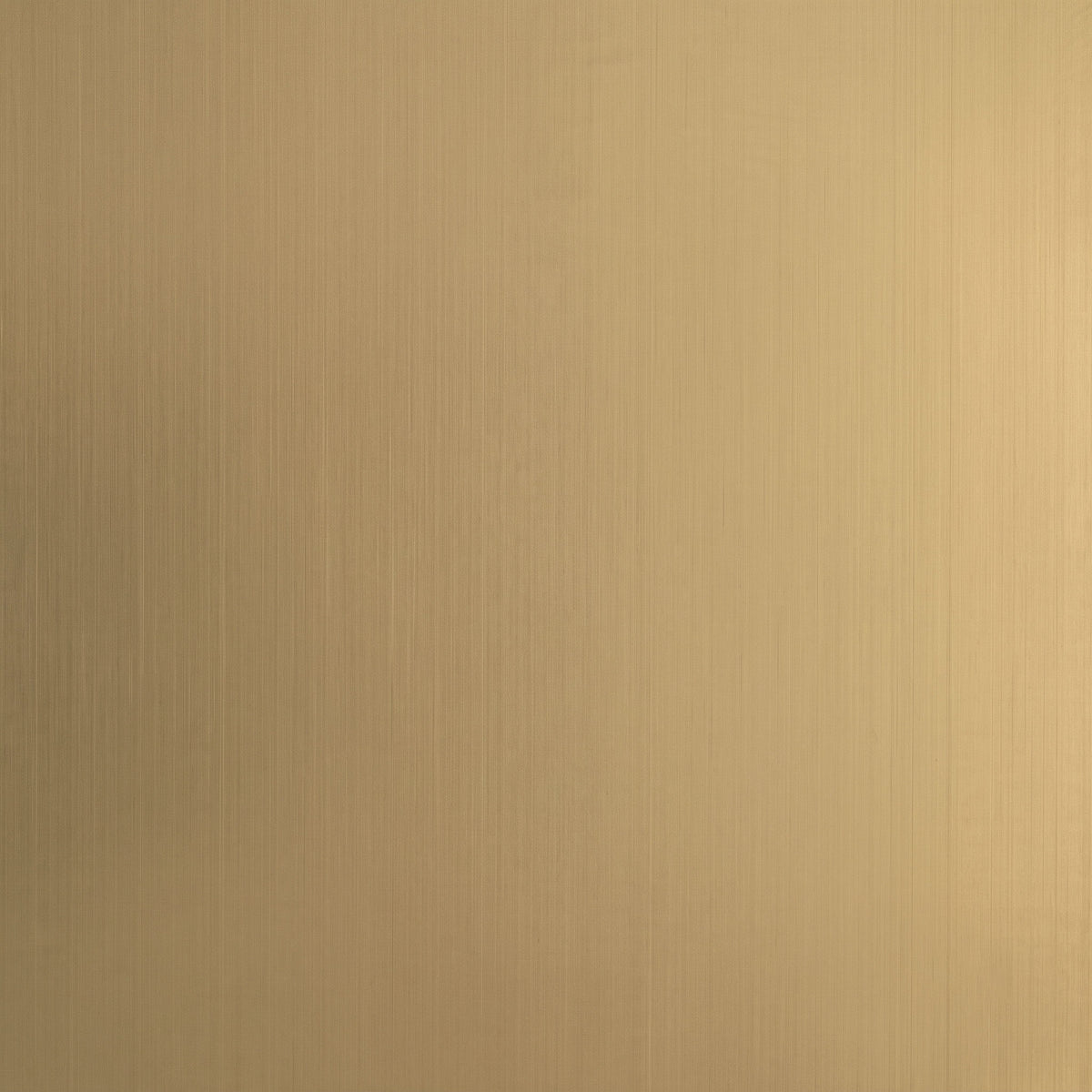 16
16 17
17
التشطيبات 01–17 · نحاس، برونز، حديد، فولاذ، نيكل، كروم، أسود · باتينات مخصصة تُطابق حسب الطلب
اطلب برقم، وليس باسم. "نحاس عتيق" و"نحاس مُعتّق" و"نحاس محروق" — اسأل خمس ورش عمل ماذا تعني وستعود خمسة معادن مختلفة. التشطيب 04 هو نفس العينة المادية في استوديونا وعلى مقاعد الورشة وعلى قائمة الحزم.
ولأن أي شاشة لا تعكس المعدن بصدق، نرسل لك الألواح المادية قبل أي التزام — أمسكها بجانب خزائنك وطلاء جدرانك، في الوقت الذي تستخدم فيه الغرفة فعلاً — ثم أرسل لنا الرقم.
لون ينمو بشكل طبيعي، لا يُطلى على السطح.
تشطيب النحاس ليس طبقة دهان — بل هو تفاعل كيميائي مضبوط على سطح المعدن ذاتها. حيث تستقر الورنيشة المرشوشة فوق السطح وتتشقق في النهاية، فإن البتينا الحقيقية هي نتيجة تفاعل النحاس مع الكبريت أو الأمونيا أو أملاح حمضية حتى تتغير ألوان أيونات سطحها. اللون الذي تراه هو المعدن نفسه، متحولاً. لهذا السبب تصبح تركيبة Radilum المُطعّمة أعمق لوناً مع الزمن بدلاً من أن تتقشر — وكل قطعة تُلوّن باليد، واحدة تلو الأخرى.
سبع مراحل، عشرة إلى اثني عشر أسبوعاً،
ولا شيء موجود قبل أن تختار.
تركيبة Radilum لا تُسحب من على رف. بل تُشغّل وتُسبك وتُلمّع وتُطعّم وتُختم بعد طلبك — ولهذا يمكن أن يكون التشطيب أي شيء تريده، ولهذا يستغرق الأمر كله اثني عشر أسبوعاً بدلاً من يومين.
متخصص مشروع واحد يحمل العمولة من البداية إلى التثبيت. لا توجد عملية تسليم بين المبيعات والتصميم والإنتاج والشحن؛ الشخص الذي يرد على رسالتك الأولى هو من يرسل لك صور التلميع.
المراحل الأربع التي سترى صوراً لها
تحدث المراحل من الثالثة إلى السادسة في الورشة، وكل واحدة تصل إلى بريدك كصورة موقعة زمنياً. ليس لأن الصور تبيع شيئاً — اثنا عشر أسبوعاً وقت طويل لتثق في ورشة على الجانب الآخر من العالم، والصورة هي الشيء الوحيد الذي يثبت أن ما وصفناه حدث فعلاً. تأتي سواء طلبت أم لم تطلب.

فولاذ مقطوع من رسمك
العرض الموقع يصبح نموذجاً حدودياً، ثم مسار خمس محاور، ثم قالب فولاذي مقطوع في ورشتنا. لا شيء يُوكل إلى الغير هنا — التفاوت المفقود في هذه المرحلة لا يمكن استعادته لاحقاً.

H65 — سبيكة الأصداف الذخيرة
65% نحاس، 35% زنك: النحاس الذي حددته الجيوش أولاً للذخائر لأنه يمتص الصدمة دون انقسام. كل قطعة مصبوبة تُلدّن حتى لا تتشقق بعد عقد.

اللون ينمو، لا يُرش
فني واحد يحمل مصباحك عبر كل درجة نعومة، ثم حمام التلوين. تُوقف التفاعل في ثوان من الوصول إلى اللون، والنقاط البارزة تُفرك يدوياً. علامته محفورة على لوحة التثبيت.

مانع تسرب متعدد الطبقات، مختبر 25 سنة
ثلاث طبقات من Incralac المستوردة — لك الذي تستخدمه المتاحف على منحوتات البرونز. تتوقع اختبارات الشيخوخة المعجلة 25 سنة فأكثر خالية من التآكل — أو نتخطى هذه المرحلة بطلب منك.
العينة هي الخطوة الأرخص في كامل المشروع وهي الخطوة الوحيدة التي تمنع إعادة التصنيع — التشطيب هو المتغير الوحيد الذي لا يمكن تصحيحه بعد تجميع المصباح.
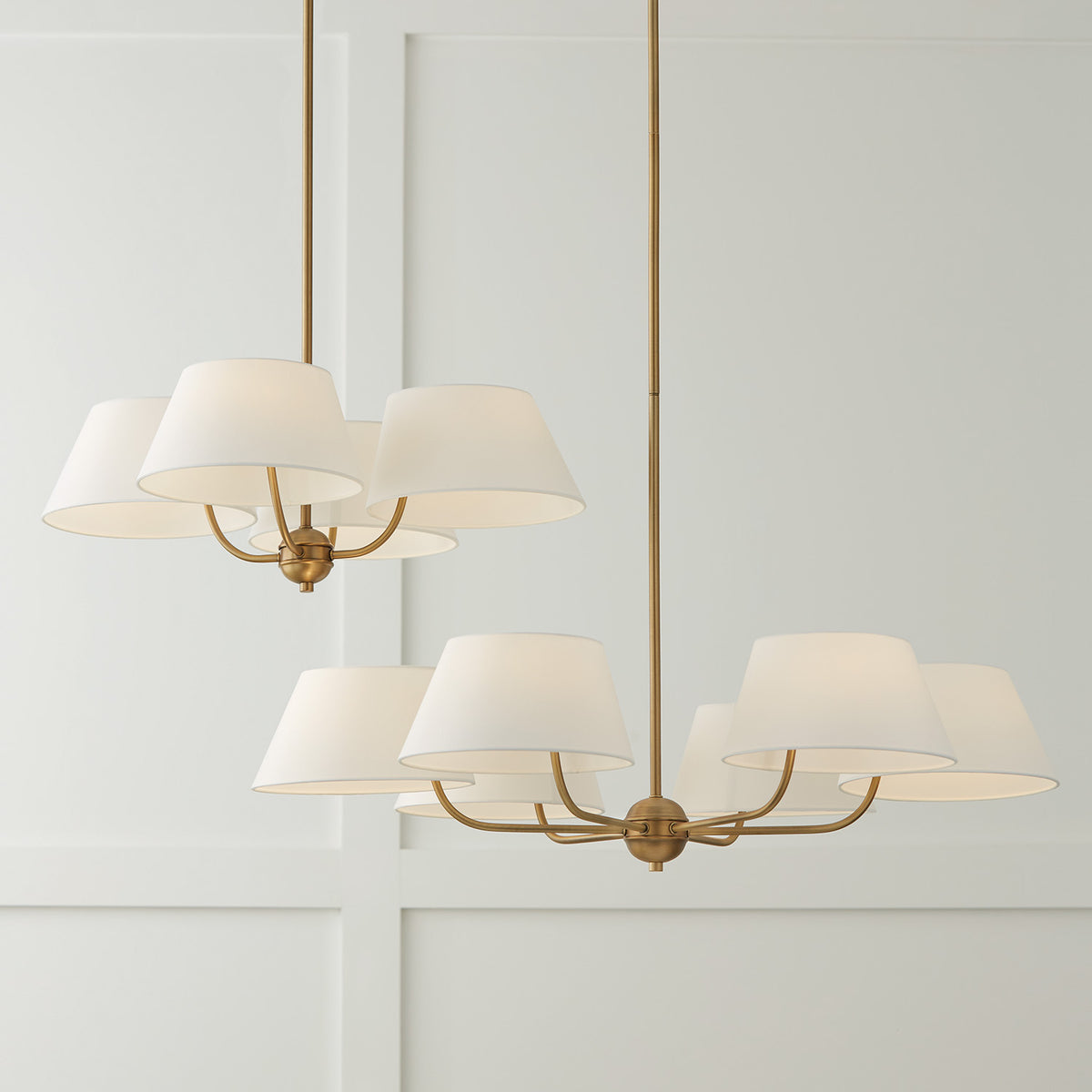
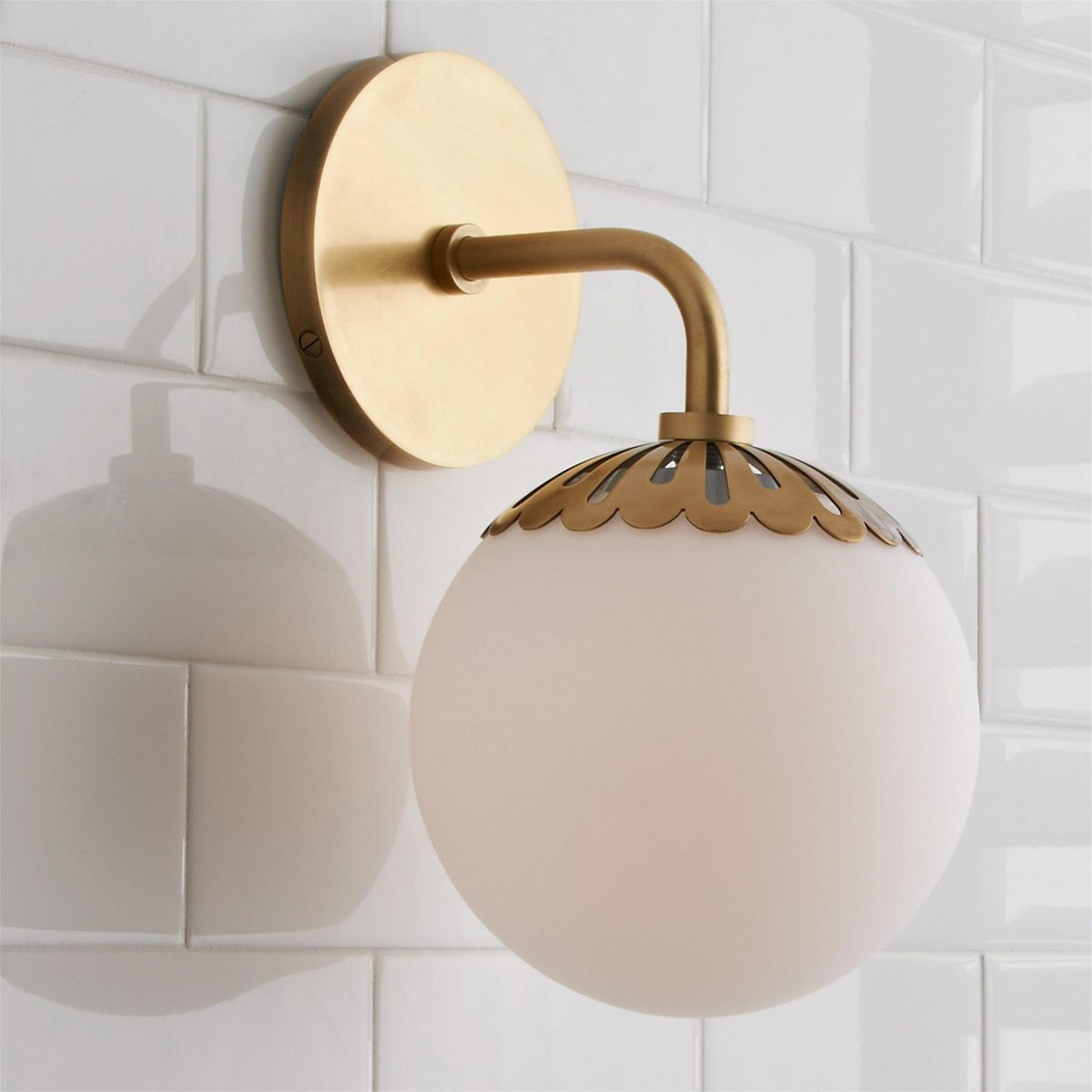
خمس نماذج أساسية — مجموعة العمل المتكاملة.
تبدأ معظم المشاريع من إحدى خمس فئات قياسية. كل فئة تتسع من المساحات السكنية الحميمة إلى الفنادق الفسيحة؛ كل فئة تقبل أي من التشطيبات السبعة عشر؛ كل فئة معتمدة UL لأمريكا الشمالية (معايير CE/SAA متاحة عند الطلب).



ثلاث مبادئ مستمدة من قرنين
من التصميم الداخلي الأمريكي.
تتشكل مجموعة Radilum American Brass Collection من خلال ثلاثة تقاليد — النسب الكلاسيكية الحديثة من عصر الاتحاد الفيدرالي، وحركة الفنون والحرف اليدوية في أوائل القرن العشرين، والكلام العامي الصناعي لمنتصف القرن. النتيجة هي مجموعة تُقرأ كـ أمريكية ليس لأنها مزينة بالنسور والنجوم، بل لأنها تحمل نفس الاعتدال والصراحة الهيكلية التي تشترك فيها هذه التقاليد الثلاثة.

الاعتدال والنسبة
من أثاث عصر الاتحاد الفيدرالي: التماثل والتوازن والاعتدال. الأذرع متدرجة على فترات النسبة الذهبية. الشمعدانات بحجم يطابق العمود الذي تنزل منه. لا شيء ديكوري من أجل التزيين. الفخامة موجودة في النسبة وليس الزخرفة.

الصراحة الهيكلية
من مفردات الفنون والحرف اليدوية: الوظيفة معبرة وليست مخفية. تظهر الوصلات. المشابك مرئية وقصدية. ذراع شمعدان مشكلة لأنها يجب أن تدعم مصباحاً — وهذا الشكل هو التصميم. لا شيء يتظاهر بأنه ما ليس عليه.

الظلال الكلاسيكية
من الكلام العامي الصناعي لمنتصف القرن: زجاج حليبي معتم، زجاج مضلع، كتان منسوج، شبكة معادن مثقوبة. لكل ظل مفردات قرن كامل خلفه. نحن نطابق الظل مع الغرفة المقصودة للتركيب — وليس تفضيل المصور لما ينقرأ على وسائل التواصل الاجتماعي.
ابدأ ببيان موجز أو عينة تشطيب.
سواء كنت تبحث عن شمعدان بجانب السرير الواحد أو مئة تركيبة متطابقة لمشروع فندقي كبير، الخطوة الأولى واحدة — اكتب إلينا. متخصص المشاريع الذي يقرأ بريدك الإلكتروني هو من ستعمل معه من البداية إلى التركيب. كل بريد إلكتروني يحصل على رد حقيقي خلال 24 ساعة.
تركيب مصباح سقفي أو شبه سقفي
ارتفاع السقف يحدد التركيب؛ حجم الغرفة يحدد القطر.
جدول الأحجام
| الحجم |
| المساحة XS |
| الغرفة XS |
| الحجم | DIA 2"-6" | DIA 6"-12" | DIA 12"-18" | DIA 20"-24" | DIA 24"-32" | DIA 32"-40" |
|---|---|---|---|---|---|---|
| المساحة | 32-54 FT | 54-107 FT | 107-161 FT | 161-215 FT | 215-269 FT | 269-378 FT |
| الغرفة | الحمام/الممر، غرفة الطعام، المطبخ، غرفة النوم، غرفة المعيشة، المساحات التجارية |
* الأحجام بالبوصة الأمريكية.
أكمل الغرفة
القطع التي تتناسب جيدًا مع the مصباح
من نفس خط [المجموعة] — اختيرت بعناية لتوحيد مظهر الغرفة.


Really happy with this one overall. The light is even and comfortable. It turned out exactly the way I hoped.


All accessories have been installed. The overall appearance is very stylish, the light is soft and not glaring, and it offers great value for money.
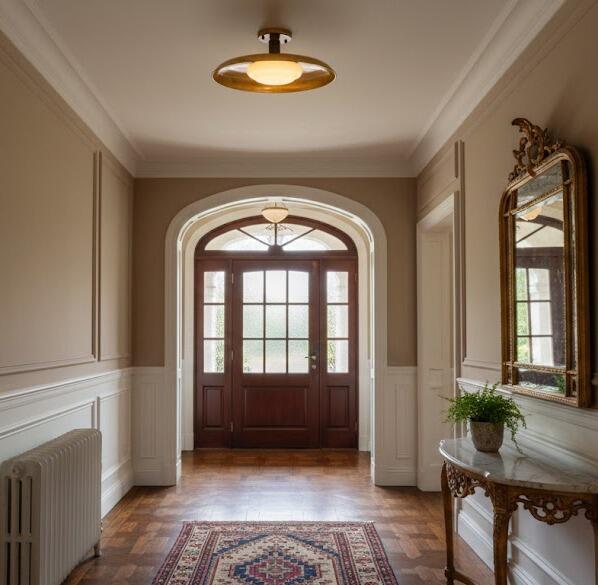
The light source is bright enough, installation is simple, and customer service was very attentive and patient.
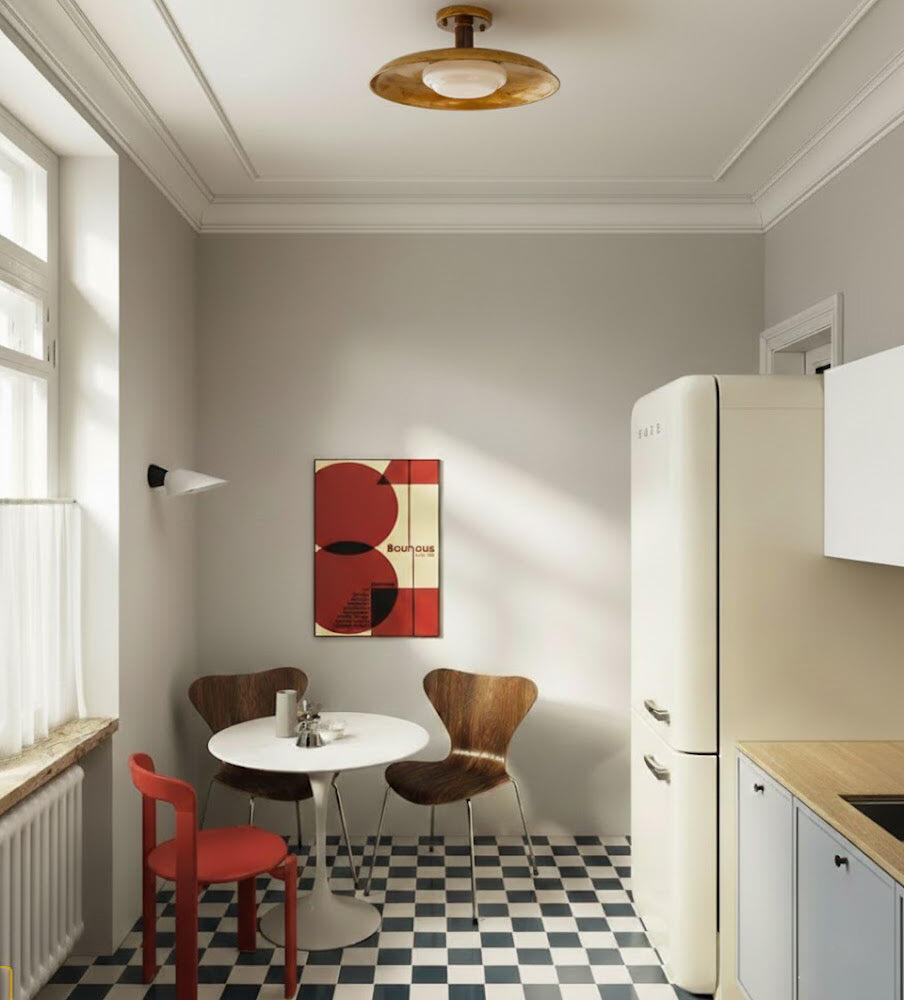
This was the perfect choice for our corridor remodel. It looks modern, classy, and gives off beautiful light. Couldnt ask for more.
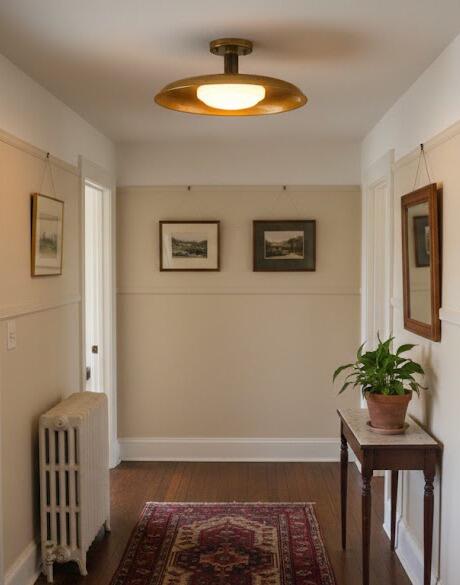
Fast shipping, and the customer service staff were very attentive and patient, answering all my installation questions.
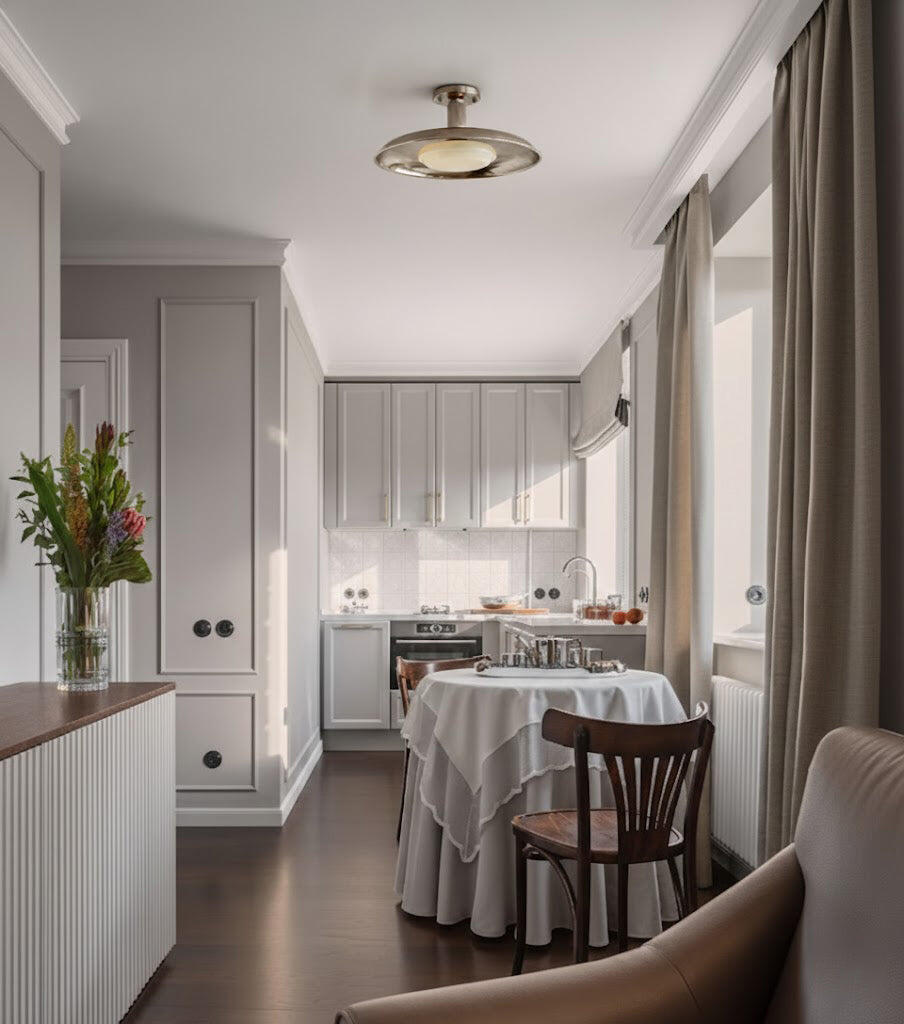
The packaging was very sturdy, and shipping was fast. The actual product is even better than the photos. Definitely worth buying.
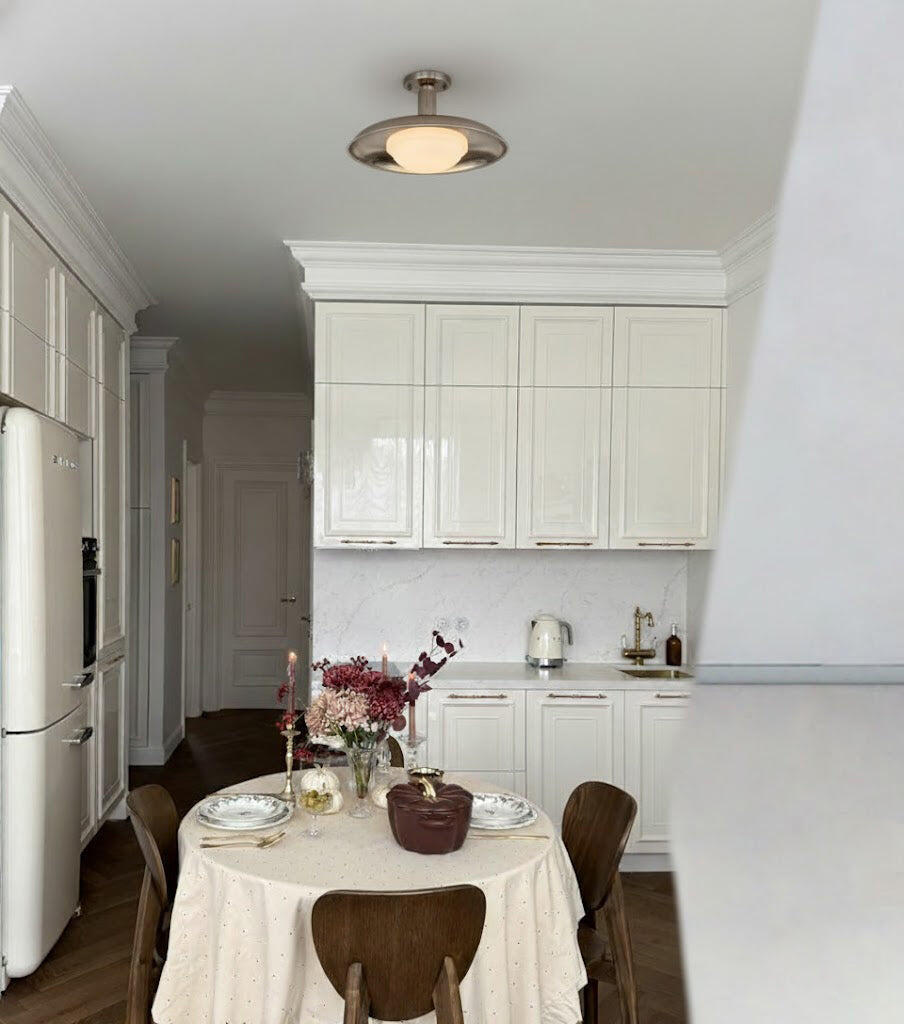
Its design is beautifulmodern and elegantwhether on or off.
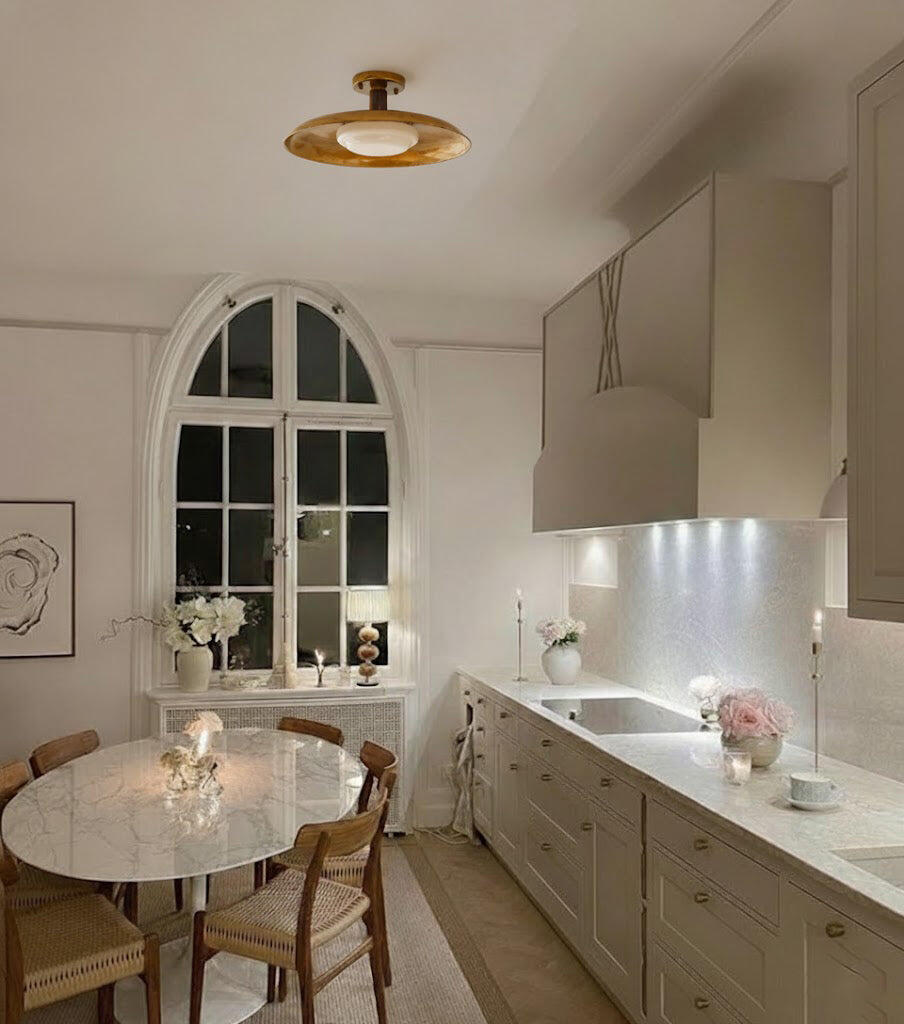
We put this in a small dining area and it worked better than I expected. It’s been a good fit for the space.
What I like most is how practical and good-looking the fixture is at the same time. It stays close to the ceiling, gives off a lot of even light, and still has a shape that feels a little different. I’m very satisfied with it.
Such a nice ceiling light. I’m really happy with it.
We used this in our bedroom and it looks great there.
The design feels understated in the best possible way, bringing quiet sophistication without unnecessary detail.
I installed this ceiling light in my bedroom, and it immediately made the space feel calmer and more cohesive, giving the ceiling a clean and finished look without drawing too much attention.
I like the low-profile look, though the fixture is so subtle that it may not stand out much in more detailed interiors.
Really pleased with this one. It turned out really well.
The simple, grounded form helps the ceiling feel visually stable and well-proportioned.
Looks especially good at night. The light feels soft and comfortable.
The fixture has a very grounded and stable appearance that ties the space together beautifully.
I appreciate how it enhances the room without competing with furniture or artwork.
I like how the ceiling light softens the look of the room without adding visual clutter.
The overall silhouette feels timeless and easy to pair with different décor styles.
It works particularly well in workspaces where a calm and distraction-free atmosphere is important.
The fixture makes the room feel brighter and more open without drawing too much attention.
It works well for general use, but the lighting effect feels more suitable for smaller or secondary spaces than main living areas.
I installed this ceiling light in my guest bedroom, and it immediately made the space feel more relaxed, balanced, and thoughtfully finished.
I added this ceiling light to my home office, and it immediately made the environment feel more focused and visually organized.
Good quality, reliable service, and fast shippinga very good choice.
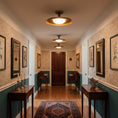
Bought two for our upstairs hallway and they look amazing. The design blends well with both modern and traditional furniture.
We love how minimal yet eye-catching it is. It doesnt overpower the room, but it definitely adds style.
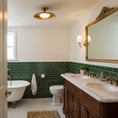
We love these ceiling lamp! Modern look and feel. They work beautifully in both our bathroom and a hallway. Very good quality.
High-end and stylish, excellent workmanship, superior quality, very exquisite, and easy to install.
مشاهدة مؤخراً
عرض الترحيب
عشرة بالمئة خصم على طلبك الأول
أدخل الرمز عند الدفع. ينطبق على الطلب كاملًا، بما فيه التشطيبات المخصصة.
التجارة والمصممون
برنامج التجارة
تسعير صافي على كل تركيبة، عينات التشطيبات، نماذج ثلاثية الأبعاد عند الطلب وجهة اتصال مخصصة للمشروع — لمصممي الديكور والمعماريين والضيافة والمطورين.
تقديم طلب حساب تجاري