



Radilum
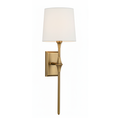
كوة جداري Dauphine
الشحن القياسي مجاني إلى الولايات المتحدة وكندا والاتحاد الأوروبي والمملكة المتحدة وأستراليا والإمارات · شحن بحري مؤمّن من 4 إلى 6 أسابيع · توصيل سريع من 1 إلى 3 أسابيع
💡 استخدم رمز القسيمة RDSHN للاستمتاع بخصم 10%
Frequently bought together

 514.00 SR
نحاس معتق · ظل نسيجي مخصص · كوة انتقالي
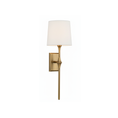
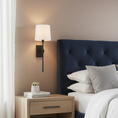
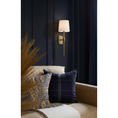
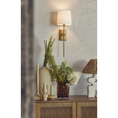
كوة جداري مخصص بلغة الإضاءة الأمريكية الانتقالية الكلاسيكية — ساق نحاسية معتقة رفيعة تنبثق من وحدة خلفية مستطيلة صغيرة، تنحدر برقة إلى قدم بطرف يشبه الشرابة. ظل أسطواني مقسّى من الكتان الأبيض يجلس في الأعلى، مخيط باليد وبدون بطانة لتوهج دافئ ناعم للأعلى. التناسب مستقيم وانضباطي، مصمم للممرات وجدران رأس السرير.
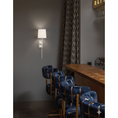
الجسم النحاسي مكمل باليد — لامع عند التلميع، أعمق عند المنخفضات حيث يمسك الضوء. مناسب لجدران رأس السرير وغرف المسحوق والممرات، وأزواج جنباً إلى جنب فوق طاولات الزاوية أو رفوف المدفأة. متاح بثلاثة إنهاءات — نحاس معتق وأسود مات ونيكل مصقول — لمطابقة الديكورات التقليدية والانتقالية والحديثة.
المميزات
ظل أسطواني مخصص
ظل كتان أبيض مخيط باليد، بدون بطانة لتوهج دافئ وناعم من الأعلى.
ساق نحاسية معتقة
جسم نحاسي رفيع مستدق مع وحدة خلفية مستطيلة وقدم بطرف شرابة.
ثلاثة إنهاءات
نحاس معتق أو أسود مات أو نيكل مصقول لمطابقة سجل الديكور الخاص بك.
التشطيب — اختر عند الدفع
نحاس طبيعي
ذهبي عسلي دافئ مع منخفضات أعمق — دفء أمريكي انتقالي كلاسيكي.
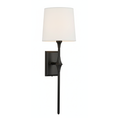
أسود مطفأ
أسود غير لامع ناعم للديكورات الحديثة أو الصناعية أو ذات التباين العالي.
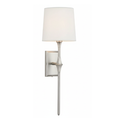
نيكل ساتان
نبرة فضية باردة مع حبيبات مصقولة — منعشة في الغرف الساحلية والمعاصرة.
معادن مكملة باليد وظل مخيط باليد. كل قطعة مكملة باليد، لذا فإن التباين الطفيف في درجة اللون وعمق الباتينا هو جزء من الطابع — وليس عيباً. ظل الكتان الأسطواني مخيط باليد وقد يحمل تباينات طفيفة في خط الخيط.
ملاحظات المنتج
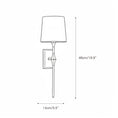
D 14سم × H 48سم
∅ 5.5″ × H 18.9″ · كونسول حائط مدمج
| المواد | جسم معادن مصقول يدويًا · ظل اسطواني من الكتان الأبيض |
| التشطيب | نحاس عتيق · أسود غير لامع · نيكل مصقول · اختر عند الدفع |
| الأسلوب | انتقالي أمريكي · كونسول مصمم بعناية |
| الأبعاد | Ø 14 × ارتفاع 48 سم · Ø 5.5″ × ارتفاع 18.9″ |
| قاعدة المصباح | مقبس شمعدان E12 · 1 مصباح · غير مرفق |
| المصابيح الموصى بها | مصباح شمعة LED أبيض دافئ 2700K–3000K، بحد أقصى 40 واط ما يعادل الفتيل |
| درجة حرارة اللون | يعتمد على المصباح المختار · يُنصح باللون الأبيض الدافئ لتوهج ظل النسيج |
| التعتيم | متوافق إذا تم تثبيت مصباح قابل للتعتيم وجهاز تعتيم TRIAC |
| الجهد الكهربائي | AC 110–240V · عام |
| التركيب | مدمج في صندوق تقاطع الحائط القياسي · اللوحة الخلفية تغطي معظم صناديق أحادية الفتحة الأمريكية |
| رمز المنتج | RDW-201819 |
| وقت التسليم | مصنوع حسب الطلب · يرجى الرجوع إلى تقدير الخروج |
| مثالي لـ | جدران بجانب السرير · الممرات والممرات · غرف المرحاض · أزواج متجاورة فوق الأرفف أو فوق جدران مدفأة · زوايا القراءة |
التثبيت
- متصل بصندوق تقاطع جداري قياسي — يُنصح بالتثبيت المهني.
- لوحة الدعم تغطي معظم صناديق أحادية المقبس الأمريكية؛ تأكد قبل الحفر.
- ثبّت على ارتفاع 60–66″ فوق الأرضية المنتهية للممرات وجدران رأس السرير؛ الأزواج الجانبية فوق الموقد عادةً تتمركز 6–9″ فوق رف الموقد.
- يتسع لمصباح واحد من نوع الشمعدان E12 — وفّر مصباح شمعة LED بألوان دافئة بنفسك.
- داخلي فقط · مناسب لغرف المرحاض بعيدًا عن رذاذ الدش المباشر.
- امسح ظل الكتان برفق باستخدام فرشاة ناعمة؛ التنظيف الموضعي فقط بقماش رطبة بالكاد.
التنزيلات
الأسئلة الشائعة
على أي ارتفاع يجب تثبيت Dauphine؟ +
بالنسبة لممرات وجدران بجانب السرير، يعمل الارتفاع 60–66″ من الأرضية النهائية إلى مركز الكونسول بشكل جيد. لأزواج متجاورة فوق جدار المدفأة، ركّز على بعد 6–9″ فوق رف المدفأة وافصل الأزواج بالتساوي على جانبي المرآة أو العمل الفني. تأكد دائمًا مع كهربائيك.
هل يمكنني استخدامها كمصباح قراءة بجانب السرير؟ +
نعم — ظل الكتان غير المبطن يرسل ضوءًا محيطًا ناعمًا صاعدًا بدلاً من شعاع قراءة مركز، وهو ما يناسب الأجواء بجانب السرير. للقراءة المخصصة، اجمع مع مصباح شمعة LED أكثر إضاءة وجهاز تخفيف TRIAC على الحائط للتحكم في الشدة لاستخدام المساء.
هل مصباح Dauphine قابل للتعتيم؟ +
نعم، مع المصباح الصحيح. يأخذ المصباح مصباح شمعدان واحد من نوع E12. ثبّت مصباح شمعة LED قابل للتخفيف على جهاز تخفيف TRIAC على الحائط وسيتم تخفيف الكونسول بسلاسة. يُنصح باللون الأبيض الدافئ 2700K–3000K لإطراء ظل الكتان.
أي طلاء يجب أن أختار؟ +
يتناسب النحاس العتيق مع الغرف الانتقالية والتقليدية الدافئة — أرضيات خشبية وجدران بيج وكريمية. الأسود غير اللامع يرسي الأنماط الحديثة والصناعية أو الأنماط عالية التباين. النيكل المصقول له مظهر أكثر برودة ويعمل بشكل جيد في الديكورات الساحلية والمعاصرة والجدران الفاتحة.
هل يمكنني تثبيتها في غرفة الضيوف؟ +
نعم — يتناسب Dauphine مع غرف المرحاض وجدران الحمام الرئيسية بعيدًا عن رذاذ الدش المباشر. يجب ألا يتعرض ظل الكتان للبخار المستمر أو الماء المباشر؛ للتثبيتات في مناطق الدش أو المناطق الرطبة، يرجى التواصل معنا للحصول على التوجيه.
التنزيلات
Dimension drawings

هل تحتاج إلى مستند مختلف؟ اسأل مصمماً — يتم الإرسال في غضون يوم عمل واحد.
الأسئلة الشائعة
What are the exact dimensions of the Dauphine Wall Sconce?
The sconce measures D 14 cm × H 48 cm, or ∅ 5.5″ × H 18.9″.
What materials and finishes are available?
The sconce has a hand-finished metal body with a white linen drum shade. Choose from Natural Brass, Matte Black, or Satin Nickel finishes.
What style is the Dauphine?
It's a traditional and modern transitional sconce with a tailored, upright design and crisp tapered drum shade.
Which rooms is this sconce suitable for?
Ideal for bedside walls, hallways, entry/foyer areas, and studies. The slim proportions work well flanking pairs above console tables or fireplace mantels in living rooms.
How is it installed?
It is hardwired to a standard wall junction box. For hallways and bedside walls, install at 60–66″ above finished floor. Professional installation is recommended.
لا تزال غير متأكد؟ اطرح سؤالاً — سيتم الإجابة خلال يوم عمل واحد.
- تصميم فريد الشكل
- مصنوع بمسؤولية
- مادة عالية الجودة
- مختبر من حيث المتانة
العناية
العناية
- امسحها بقطعة قماش ناعمة وجافة.
- لحماية الطلاء، لا ننصح باستخدام منظفات منزلية أو مواد كاشطة.
- لا تتجاوز قوة الواط المحددة.
سياسة الشحن والإرجاع
سياسة الشحن والإرجاع
استمتع بالشحن المجاني على جميع المنتجات. مع خدمة Front Door Delivery، يتم شحن عنصرك من مركز التوزيع الخاص بنا عبر UPS خلال 2-3 أيام عمل ويصل إلى منزلك خلال 4-6 أسابيع. يمكن إرجاع العناصر المؤهلة خلال 30 يوماً من الاستلام. العناصر المصنوعة حسب الطلب غير مؤهلة للإرجاع.
في ورشتنا
مصنوع حسب الطلب، مرسل مؤمن عليه
كل مصباح يُصنع أو يُقطع عند طلبك — 2–4 أيام عمل للمعادن، 3–5 للحجر، 3–4 أسابيع للزجاج المنفوخ يدويًا. ثم الشحن البحري، والجمارك نتولاها نحن، مع التتبع إلى باب منزلك في حوالي 4–6 أسابيع. تحتاج إليه أسرع؟ الشحن الجوي السريع، 1–3 أسابيع، السعر محدد عند الدفع.
اصْنَعْتَ طَرِيقَك
لا شيء هنا ثابت
غيّر التشطيب أو اللون أو الحجر أو الحجم — أو أرسل لنا شكلاً.
خدمات التصميم
خطط إضاءة منزلية شاملة مجانية
أرسل مخططات الأرضيات أو الصور؛ سيقدم مصمم Radilum خطة غرفة تلو الأخرى مع نوع التركيبة والحجم وارتفاع التثبيت — عادة في غضون يومي عمل.

شحن سريع
4-6 أسابيع للتسليم

شهادة أمريكا الشمالية
نظرة عامة على شهادة أمريكا الشمالية

الدفع الآمن
دفع آمن باستخدام بطاقات ائتمان متعددة.


قصة الحديد والنحاس
مسبوك، مشغول ومشطب يدوياً
تركيباتنا من النحاس والحديد مسبوكة ومشغولة ومشطبة يدوياً في ورشتنا الخاصة — مذهبة أو برونزية أو مطلية بالورنيش يدوياً، وهذا هو السبب في أن أي اثنتين لا تحملان بالضبط نفس التوهج. يتم نمو اللون في حمام التشطيب بدلاً من الرش، ثم يُختم ليشيخ برشاقة. اختر التشطيب أعلاه، أو اطلب أي تشطيب معدني آخر من مكتبة التشطيبات.
المعدن الذي يحمل
ضوء السنوات.
النحاس هو الخليط الذي تلجأ إليه الحضارات عندما تريد أن يدوم الضوء. مقابض الأبواب التي صقلتها ثلاث أجيال. أدوات بحرية لا تزال قابلة للقراءة بعد قرن من إلغاء السفينة. شمعدانات الكنائس التي تتجاوز عمر الرعية. مجموعة Radilum للنحاس الأمريكي مبنية على نفس التوقع — مثبتات مطروقة من نحاس الخرطوشة H65، منتهية يدوياً، محمية ضد الزمن، وموجودة ليكون المصباح الذي يتعرفه أحفادك لا يزال معروفاً.

الخليط الذي يرفض أن يتقدم في السن.
النحاس هو سبيكة نحاس-زنك أقدم ذوبان معروف لها يعود إلى حوالي 500 قبل الميلاد في شرق البحر الأبيض المتوسط — الحرفيون اليونانيون يخلطون خام الكالامين مع النحاس الأصلي لإنتاج معدن يضرب مثل الذهب لكن ينحني مثل الأداة. بحلول فترة الإمبراطورية الرومانية، كان النحاس مادة العملات المعدنية والتركيبات العسكرية والمصابيح المنزلية التي أضاءت روما في أواخر الجمهورية. بعد ألفين ونصف سنة، لا يزال يظل، بهامش ضخم جداً، أكثر سبيكة هندسية غير حديدية استخداماً على الكوكب — ومساعد صناعة الإضاءة الهادئ.
ما يجعل النحاس مناسباً بشكل فريد للإضاءة هو تزامن الخصائص التي لا يحققها أي معدن عنصر واحد. النحاس يعطيه عمقاً لونياً دافئاً والأحمر-الأصفر المحدد الذي يُقرأ كـ فاخر وليس صناعياً. الزنك يصلب السبيكة بما يكفي لتحمل الملامح المحددة بحدة والتركيبات الملولبة والتفاصيل المصبوبة دون نعومة النحاس النقي أو رتابة الصب الرمادي. المزيج ينتج معدناً قابلاً للعمل عندما تحتاج إليه — وجامداً للقرن القادم.
من بين عشرات درجات النحاس المتاحة للمصنعين، تحدد Radilum نحاس الخرطوشة H65 — 65% نحاس، 35% زنك. يأتي الاسم من استخدامه الأصلي: قذائف الذخيرة العسكرية، حيث كان على المعدن امتصاص صدمة الإطلاق دون الانقسام. نفس هذه الصلابة، المطبقة على ذراع مصباح، تعني أن الجزء يبقى مستقراً بأبعاد تحت عقود من التدوير الحراري وشد الأجهزة واستبدال المصابيح. السبائك الأقل نحاساً (H62، H59) أرخص لكنها أكثر هشاشة. نحن لا نستخدمها.
مجموعة Radilum للنحاس مبنية على اعتراف بسيط بأن صناعة الإضاءة الأوسع قضت العقدين الماضيين في نسيانه: أن الفرق في التكلفة بين تركيبة نحاس حقيقية وتركيبة مطلية بالنحاس من الزنك قابل للقياس بسنوات الخدمة، وليس الدولارات عند الدفع.
أربع خصائص التي تغير كل شيء
عن كيفية تقدم المصباح في السن.
يتم اختيار معظم مواد التركيبات لكيف يبدو المصباح في صورة الفرقة. النحاس هو واحد من عدد قليل جداً من المواد التي تكسب مكانها على مدى السنوات الثلاثين القادمة. تأتي الاختلافات من أربع خصائص فيزيائية وجمالية.
01 كتلة تُقرأ كجودة
النحاس H65 الصلب له كثافة 8.5 غ/سم³ — أكثف من الفولاذ، أكثف من الحديد الزهر، أكثر من ثلاثة أضعاف وزن الزنك المصبوب. سُمُع النحاس من حجم قابل للمقارنة بأحد مطلي بالنحاس من الزنك سيزن ما يقرب من أربع مرات أكثر. تشعر بالفرق اللحظة التي تحمل فيها الصندوق. إنها ليست تسويقاً — إنها كيمياء.
02 نهاية حية، لا طلاء
نهايات مطلية بالنحاس هي طلاء يحدث أن يكون معدنياً. تخدش، تتشقق، وتكشف عن السبيكة الرخيصة بالأسفل. النحاس الصلب هو النهاية — ما تراه هو المعدن نفسه، مصقول أو متفحم. خدش على النحاس المطلي هو عيب؛ خدش على النحاس الصلب هو علامة بلى تُصقل للخارج. هذا هو السبب في أن آلات النحاس تبقى على قيد الحياة قرناً من الجولات بينما أجهزة مطلية تتقدم في العمر بشكل غير موضة في خمس سنوات.
03 مضاد للميكروبات بشكل طبيعي
سبائك النحاس هي oligodynamic — بمعنى أن أيونات سطحها تعطل أغشية الخلايا الميكروبية عند الملامسة. تسجل وكالة حماية البيئة النحاس الصلب والبرونز كأسطح مضادة للميكروبات. لوحة مفاتيح نحاسية أو سحب مصباح أو تركيبة باب هي أنظف بشكل كبير من معادلة الفولاذ المقاوم للصدأ. بالنسبة للتركيبات عالية اللمس (مصابيح جانب السرير، جدران الممر) هذا مهم أكثر مما تذكره الكتيبات عادة.
04 طيف العين يقرأ كدافئ
ينعكس النحاس الضوء بشكل انتقائي عبر الطيف المرئي — حيث يمتص الأزرق والأخضر بشكل أكثر قليلاً، وينعكس الأحمر والأصفر بشكل أكبر. والنتيجة أن أي مصدر ضوء مثبت داخل أو بالقرب من تركيبة نحاسية يكتسب توهجاً دافئاً خافتاً. نصمم مواصفات LED مع أخذ هذا التحول في الاعتبار: لمبة بقوة 2700K خلف النحاس تبدو للعين وكأنها تقريباً 2550K، وهي درجة حرارة اللون الخاصة بضوء نافذة ما بعد الظهيرة.
ستة تشطيبات. ستة حوارات مختلفة
بين المعدن والمساحة.
يمكن تشطيب كتلة واحدة من H65 بعشرات الطرق — والتشطيب، أكثر من أي متغير آخر، يحدد شخصية التركيبة. تحتفظ الورشة بستة أحرف معيارية وتضيف باتينا مخصصة عند الطلب. يتم إرسال عينات فيزيائية قبل الطلب النهائي لكل مشروع يضم ثلاث تركيبات فأكثر.
- الانعكاسية~85%
- الطلاء الواقيIncralac
- الأفضل لـالمساحات الرسمية
- الانعكاسية~35%
- الملمسحبة ساتان خطية
- الأفضل لـمعظم المشاريع
- اللونعنبري إلى أسود
- التنوعكل واحد فريد
- الأنسب لـالديكورات العتيقة
- الانعكاسية~5%
- الحوافتوهج نحاسي
- الأنسب لـحداثة فاخرة
- مادة الحمايةبدون
- اللون الطبيعيمستمر
- الأنسب لـالمنازل التراثية
- الطلاءنيكل ساتيني
- الجسمنحاس صلب H65
- الأنسب لـاللوحات الباردة
السبعة عشر التي يمكنك طلبها فعلاً
الأحرف الستة أعلاه تصف كيف يتصرف اللون. ما تختاره فعلياً هو واحد من سبعة عشر لوناً مرقماً — أو لون طبيعي مخصص ينمو ليطابق عينة ترسلها لنا.
 01
01 02
02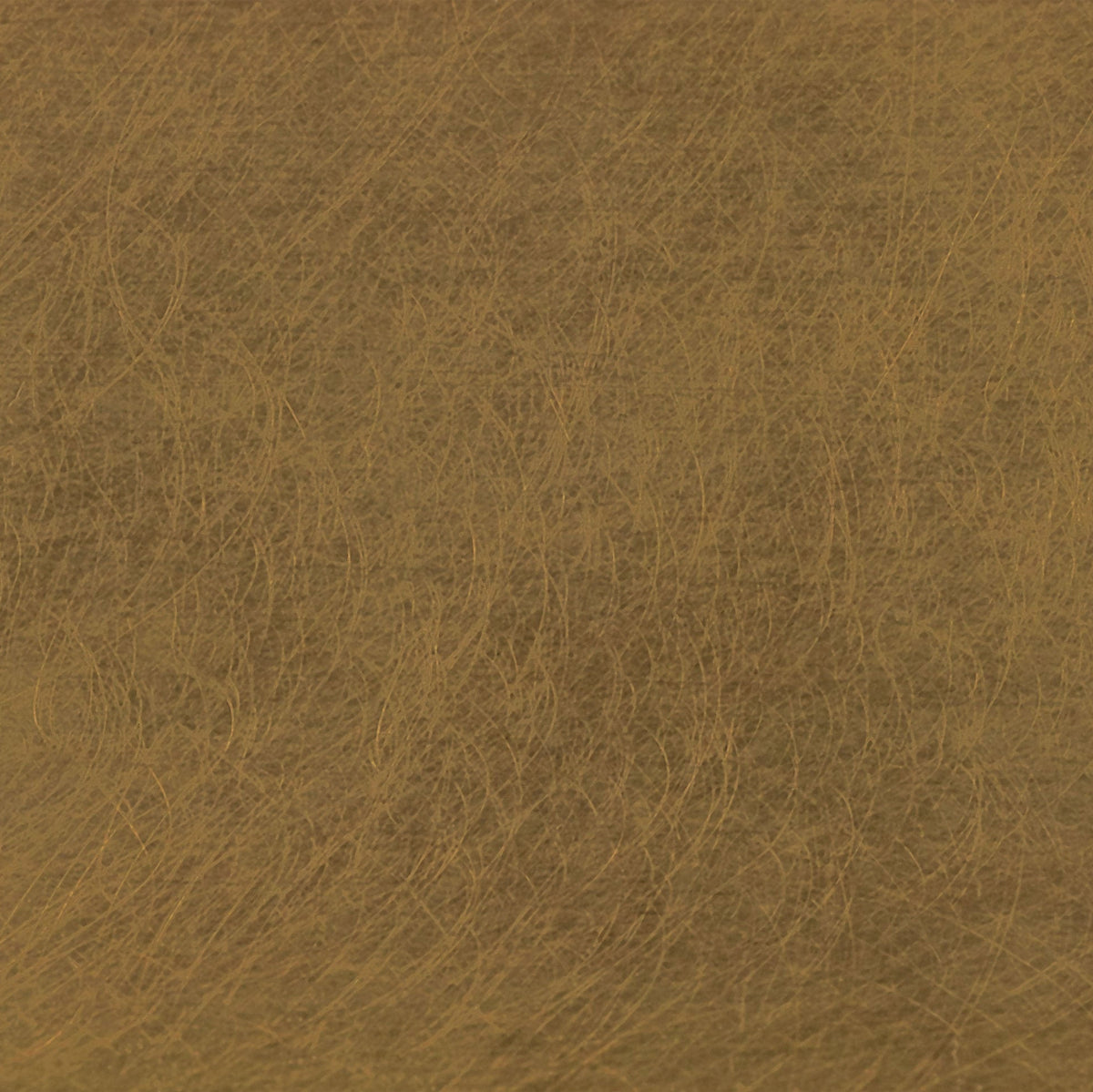 03
03 04
04 05
05 06
06 07
07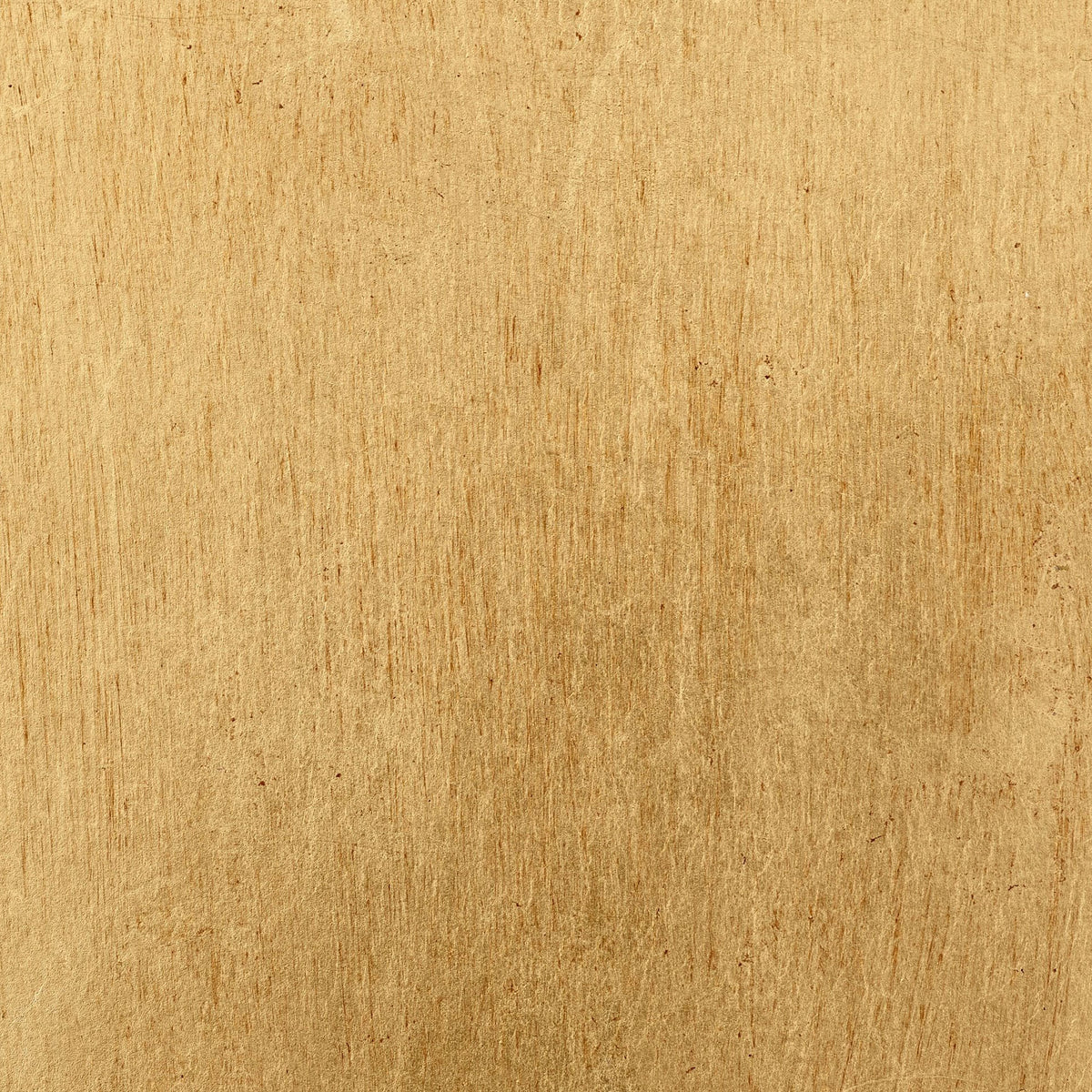 08
08 09
09 10
10 11
11 12
12 13
13 14
14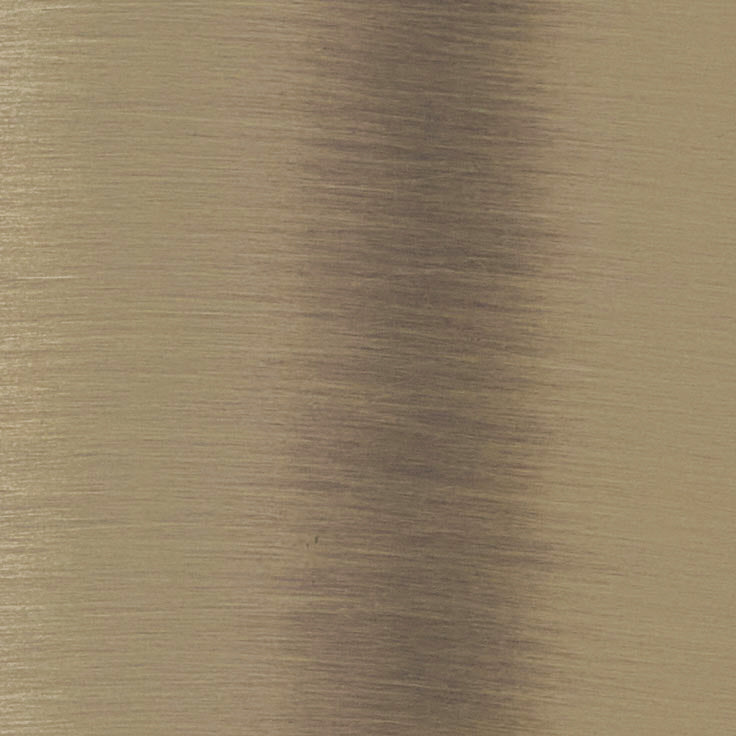 15
15 16
16 17
17
التشطيبات 01–17 · نحاس، برونز، حديد، فولاذ، نيكل، كروم، أسود · باتينات مخصصة تُطابق حسب الطلب
اطلب برقم، وليس باسم. "نحاس عتيق" و"نحاس مُعتّق" و"نحاس محروق" — اسأل خمس ورش عمل ماذا تعني وستعود خمسة معادن مختلفة. التشطيب 04 هو نفس العينة المادية في استوديونا وعلى مقاعد الورشة وعلى قائمة الحزم.
ولأن أي شاشة لا تعكس المعدن بصدق، نرسل لك الألواح المادية قبل أي التزام — أمسكها بجانب خزائنك وطلاء جدرانك، في الوقت الذي تستخدم فيه الغرفة فعلاً — ثم أرسل لنا الرقم.
لون ينمو بشكل طبيعي، لا يُطلى على السطح.
تشطيب النحاس ليس طبقة دهان — بل هو تفاعل كيميائي مضبوط على سطح المعدن ذاتها. حيث تستقر الورنيشة المرشوشة فوق السطح وتتشقق في النهاية، فإن البتينا الحقيقية هي نتيجة تفاعل النحاس مع الكبريت أو الأمونيا أو أملاح حمضية حتى تتغير ألوان أيونات سطحها. اللون الذي تراه هو المعدن نفسه، متحولاً. لهذا السبب تصبح تركيبة Radilum المُطعّمة أعمق لوناً مع الزمن بدلاً من أن تتقشر — وكل قطعة تُلوّن باليد، واحدة تلو الأخرى.
سبع مراحل، عشرة إلى اثني عشر أسبوعاً،
ولا شيء موجود قبل أن تختار.
تركيبة Radilum لا تُسحب من على رف. بل تُشغّل وتُسبك وتُلمّع وتُطعّم وتُختم بعد طلبك — ولهذا يمكن أن يكون التشطيب أي شيء تريده، ولهذا يستغرق الأمر كله اثني عشر أسبوعاً بدلاً من يومين.
متخصص مشروع واحد يحمل العمولة من البداية إلى التثبيت. لا توجد عملية تسليم بين المبيعات والتصميم والإنتاج والشحن؛ الشخص الذي يرد على رسالتك الأولى هو من يرسل لك صور التلميع.
المراحل الأربع التي سترى صوراً لها
تحدث المراحل من الثالثة إلى السادسة في الورشة، وكل واحدة تصل إلى بريدك كصورة موقعة زمنياً. ليس لأن الصور تبيع شيئاً — اثنا عشر أسبوعاً وقت طويل لتثق في ورشة على الجانب الآخر من العالم، والصورة هي الشيء الوحيد الذي يثبت أن ما وصفناه حدث فعلاً. تأتي سواء طلبت أم لم تطلب.

فولاذ مقطوع من رسمك
العرض الموقع يصبح نموذجاً حدودياً، ثم مسار خمس محاور، ثم قالب فولاذي مقطوع في ورشتنا. لا شيء يُوكل إلى الغير هنا — التفاوت المفقود في هذه المرحلة لا يمكن استعادته لاحقاً.

H65 — سبيكة الأصداف الذخيرة
65% نحاس، 35% زنك: النحاس الذي حددته الجيوش أولاً للذخائر لأنه يمتص الصدمة دون انقسام. كل قطعة مصبوبة تُلدّن حتى لا تتشقق بعد عقد.

اللون ينمو، لا يُرش
فني واحد يحمل مصباحك عبر كل درجة نعومة، ثم حمام التلوين. تُوقف التفاعل في ثوان من الوصول إلى اللون، والنقاط البارزة تُفرك يدوياً. علامته محفورة على لوحة التثبيت.

مانع تسرب متعدد الطبقات، مختبر 25 سنة
ثلاث طبقات من Incralac المستوردة — لك الذي تستخدمه المتاحف على منحوتات البرونز. تتوقع اختبارات الشيخوخة المعجلة 25 سنة فأكثر خالية من التآكل — أو نتخطى هذه المرحلة بطلب منك.
العينة هي الخطوة الأرخص في كامل المشروع وهي الخطوة الوحيدة التي تمنع إعادة التصنيع — التشطيب هو المتغير الوحيد الذي لا يمكن تصحيحه بعد تجميع المصباح.
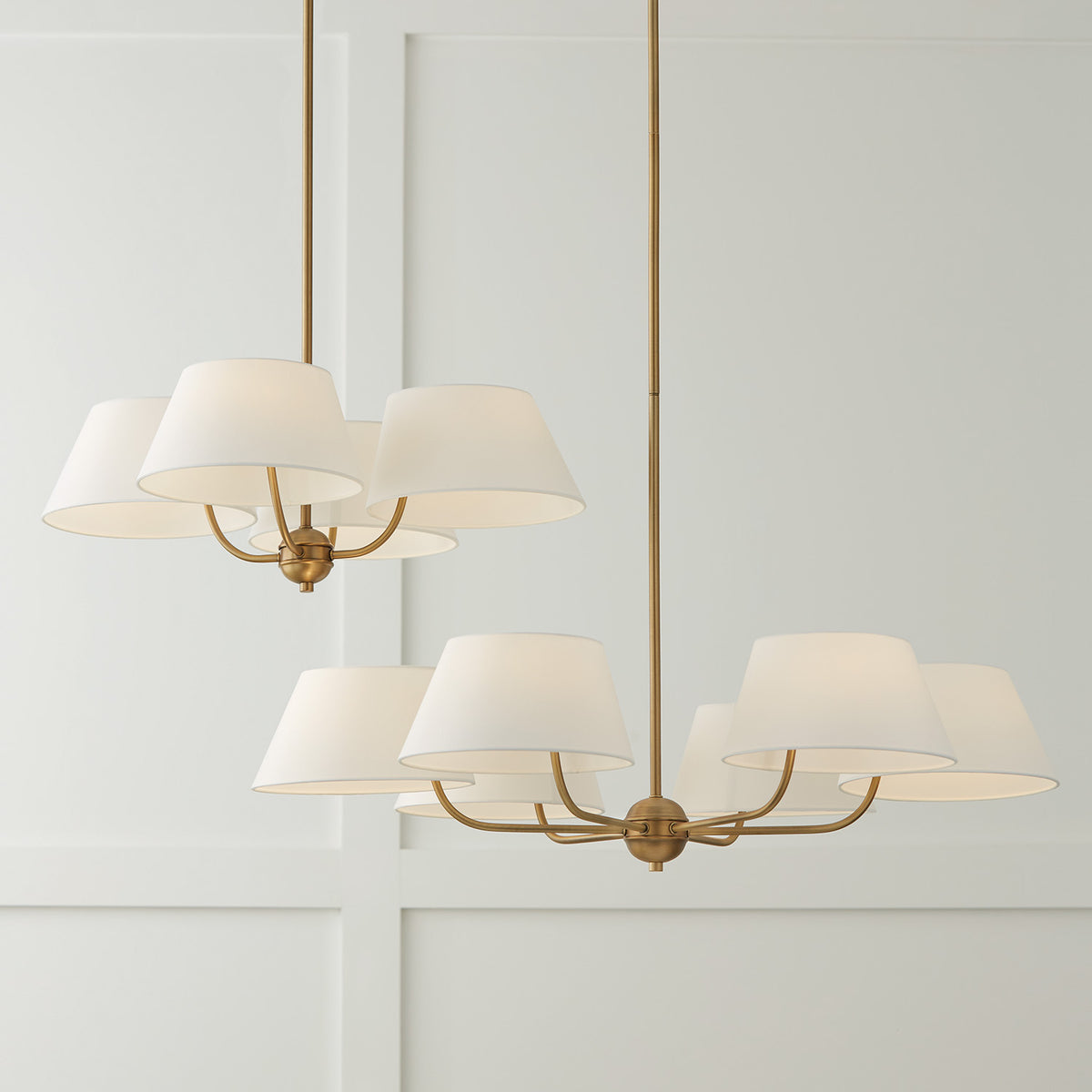
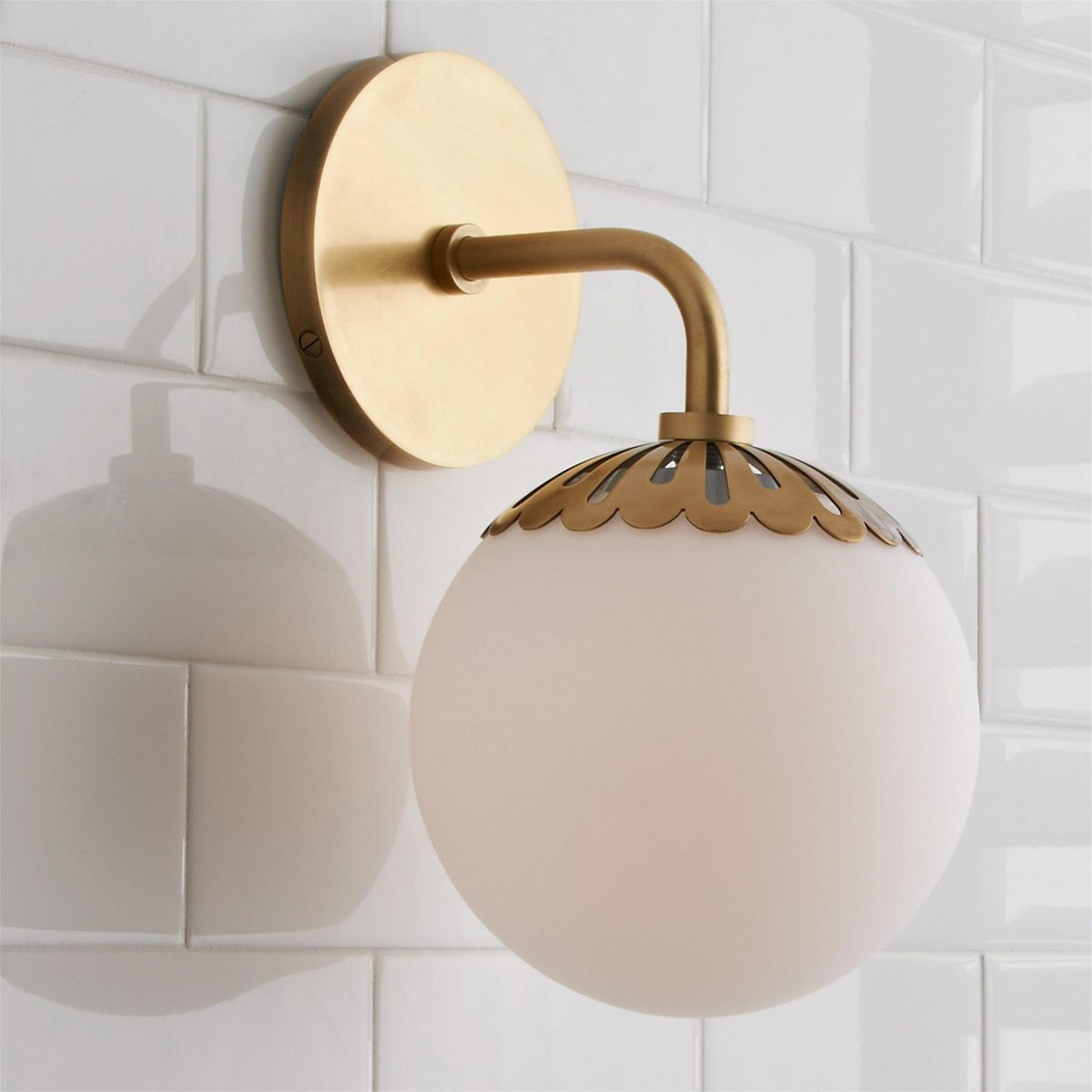
خمس نماذج أساسية — مجموعة العمل المتكاملة.
تبدأ معظم المشاريع من إحدى خمس فئات قياسية. كل فئة تتسع من المساحات السكنية الحميمة إلى الفنادق الفسيحة؛ كل فئة تقبل أي من التشطيبات السبعة عشر؛ كل فئة معتمدة UL لأمريكا الشمالية (معايير CE/SAA متاحة عند الطلب).



ثلاث مبادئ مستمدة من قرنين
من التصميم الداخلي الأمريكي.
تتشكل مجموعة Radilum American Brass Collection من خلال ثلاثة تقاليد — النسب الكلاسيكية الحديثة من عصر الاتحاد الفيدرالي، وحركة الفنون والحرف اليدوية في أوائل القرن العشرين، والكلام العامي الصناعي لمنتصف القرن. النتيجة هي مجموعة تُقرأ كـ أمريكية ليس لأنها مزينة بالنسور والنجوم، بل لأنها تحمل نفس الاعتدال والصراحة الهيكلية التي تشترك فيها هذه التقاليد الثلاثة.

الاعتدال والنسبة
من أثاث عصر الاتحاد الفيدرالي: التماثل والتوازن والاعتدال. الأذرع متدرجة على فترات النسبة الذهبية. الشمعدانات بحجم يطابق العمود الذي تنزل منه. لا شيء ديكوري من أجل التزيين. الفخامة موجودة في النسبة وليس الزخرفة.

الصراحة الهيكلية
من مفردات الفنون والحرف اليدوية: الوظيفة معبرة وليست مخفية. تظهر الوصلات. المشابك مرئية وقصدية. ذراع شمعدان مشكلة لأنها يجب أن تدعم مصباحاً — وهذا الشكل هو التصميم. لا شيء يتظاهر بأنه ما ليس عليه.

الظلال الكلاسيكية
من الكلام العامي الصناعي لمنتصف القرن: زجاج حليبي معتم، زجاج مضلع، كتان منسوج، شبكة معادن مثقوبة. لكل ظل مفردات قرن كامل خلفه. نحن نطابق الظل مع الغرفة المقصودة للتركيب — وليس تفضيل المصور لما ينقرأ على وسائل التواصل الاجتماعي.
ابدأ ببيان موجز أو عينة تشطيب.
سواء كنت تبحث عن شمعدان بجانب السرير الواحد أو مئة تركيبة متطابقة لمشروع فندقي كبير، الخطوة الأولى واحدة — اكتب إلينا. متخصص المشاريع الذي يقرأ بريدك الإلكتروني هو من ستعمل معه من البداية إلى التركيب. كل بريد إلكتروني يحصل على رد حقيقي خلال 24 ساعة.
ارتفاعات التثبيت لأضواء الجدار
موقع الضوء على الجدار يحدد ما إذا كان يبدو كزينة أم كإضاءة مفيدة.
جدول الأحجام
| الحجم |
| المساحة XS |
| الغرفة XS |
| الحجم | DIA 2"-6" | DIA 6"-12" | DIA 12"-18" | DIA 20"-24" | DIA 24"-32" | DIA 32"-40" |
|---|---|---|---|---|---|---|
| المساحة | 32-54 FT | 54-107 FT | 107-161 FT | 161-215 FT | 215-269 FT | 269-378 FT |
| الغرفة | الحمام/الممر، غرفة الطعام، المطبخ، غرفة النوم، غرفة المعيشة، المساحات التجارية |
* الأحجام بالبوصة الأمريكية.
أكمل الغرفة
القطع التي تتناسب جيدًا مع the كوة
من نفس خط [المجموعة] — اختيرت بعناية لتوحيد مظهر الغرفة.


مشاهدة مؤخراً
عرض الترحيب
عشرة بالمئة خصم على طلبك الأول
أدخل الرمز عند الدفع. ينطبق على الطلب كاملًا، بما فيه التشطيبات المخصصة.
التجارة والمصممون
برنامج التجارة
أسعار صافية على كل تركيبة، عينات التشطيب، نماذج ثلاثية الأبعاد وجهة اتصال مخصصة للمشروع — للمصممين الداخليين والمهندسين والفنادق والمطورين.
تقديم طلب حساب تجاري