






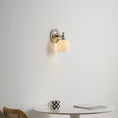
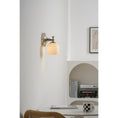
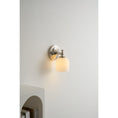
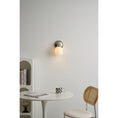



Radilum
Chart Kurzarm-Wandleuchte
Kostenloser Standardversand in die USA, Kanada, die EU, das Vereinigte Königreich, Australien und die VAE
💡 Verwenden Sie Gutscheincode RDSHN um 10% Rabatt zu erhalten
Ein ganzes Projekt beleuchten? Fragen Sie nach Händlerpreisen →
Häufig zusammen gekauft

 €285,95

 €326,95

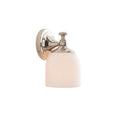
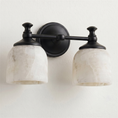
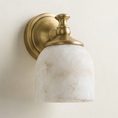
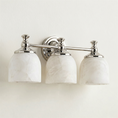
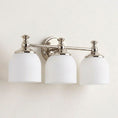
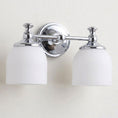
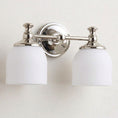
Geschmiedetes Messing · Milchglas · Wandleuchte im Übergangsstil
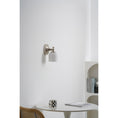
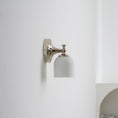
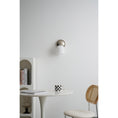
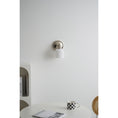
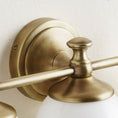
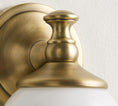
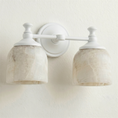
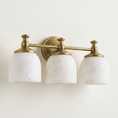
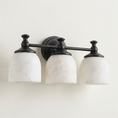
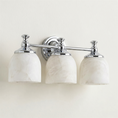
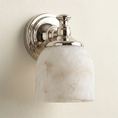
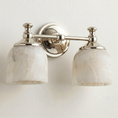
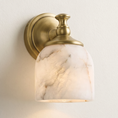
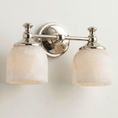
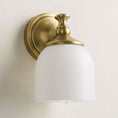
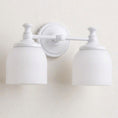
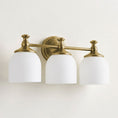
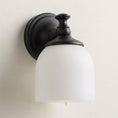
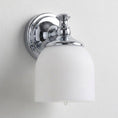
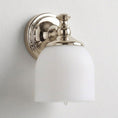
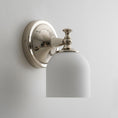
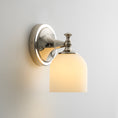
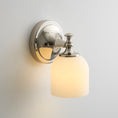
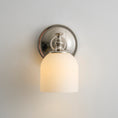
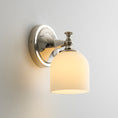
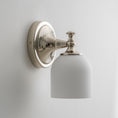
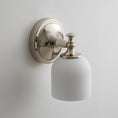
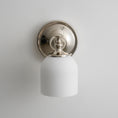
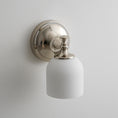
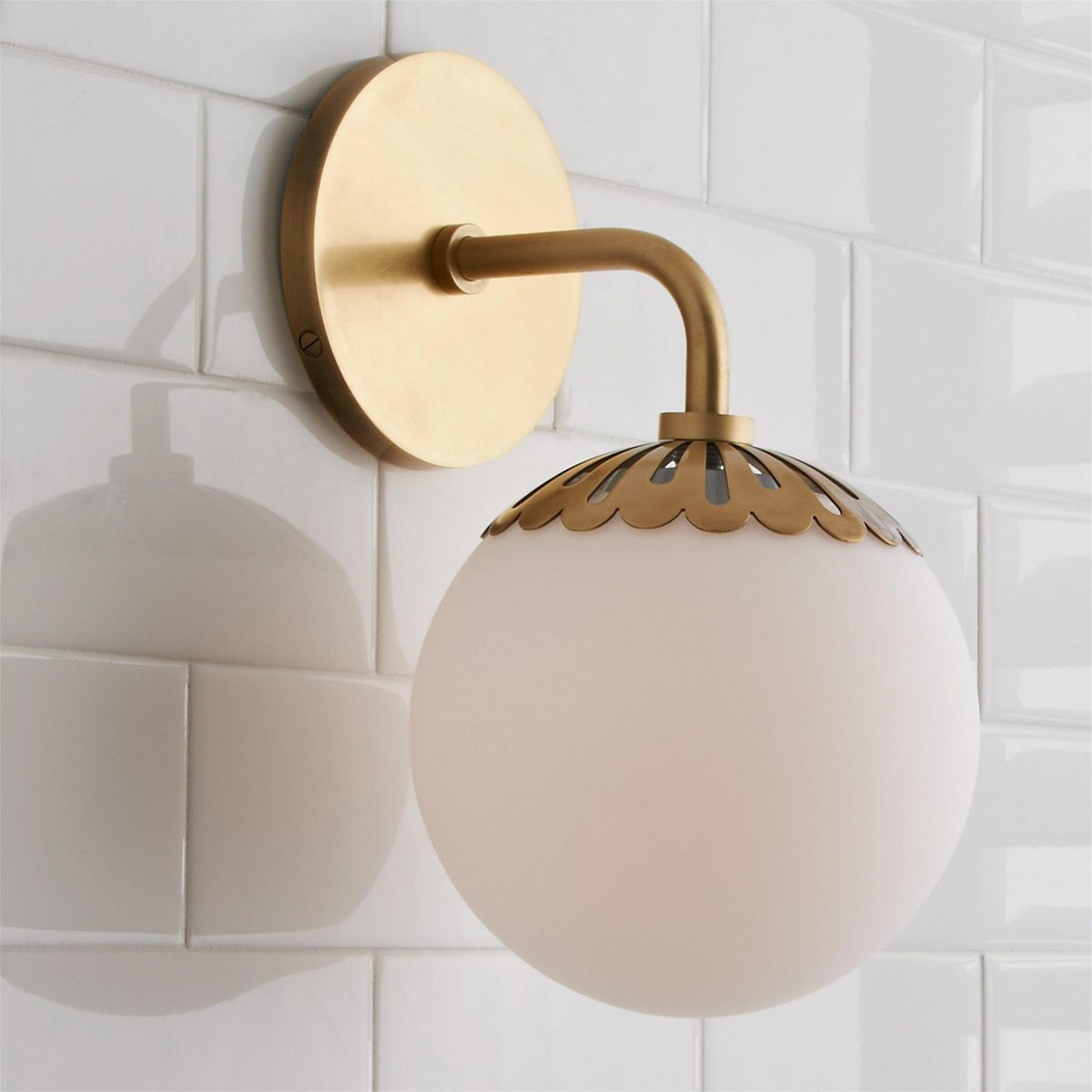
Eine Wandleuchte mit kurzem Arm im Stil der klassischen amerikanischen Badezimmer- und Ankleidezimmerbeleuchtung – ein gestufter Medaillonrücken, ein gedrechselter Messingarm mit Glockendetail und ein Mattglasschirm, der weiches, diffuses Licht spendet. Der Korpus ist aus Messingblech geschmiedet für Substanz und Langlebigkeit, dann verchromt und von Hand veredelt.
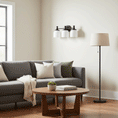
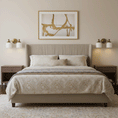
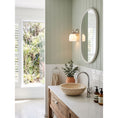
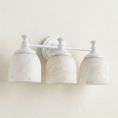
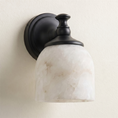
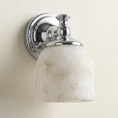
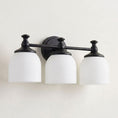
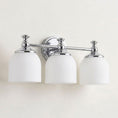
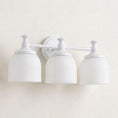
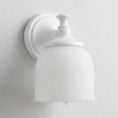
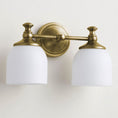
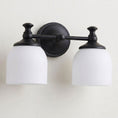
Das Mattglas diffundiert das Licht gleichmäßig ohne Blendung – ideal für Spiegeltische und Badezimmerspiegel. Erhältlich in fünf Oberflächen – Poliertes Messing, Mattschwarz, Chrom, Poliertes Nickel und Weiß – sowie in Ein-, Zwei- oder Dreiblöcke-Konfigurationen für Spiegeltische jeder Breite. Perfekt für Pulverräume, Hauptbad-Waschtische, Flurpaare und Ankleidezimmer in klassischen, transitiven und Hollywood-Regency-Innenräumen.
Eigenschaften
Geschmiedetes Messing
Körper aus geschmiedetem Messingblech – schwerer und langlebiger als gesponnene oder gegossene Alternativen.
Mattglasschirm
Mattglas diffundiert das Licht gleichmäßig – keine Blendung bei Spiegeltischen und zum Schminken.
1, 2 oder 3 Leuchtenköpfe
Wählen Sie die Konfiguration passend zur Breite Ihres Spiegeltisches – einfach, doppelt oder dreifach.
Oberfläche — Bei der Bestellung auswählen
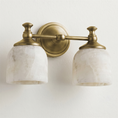
Lackiertes gebürstetes Messing
Warmes Honiggelb – Klassiker für amerikanische transitionale und traditionelle Waschtische.
Mattschwarz
Weiches Mattschwarz – modern und hochkontrast in Badezimmern mit Marmor oder Stein.
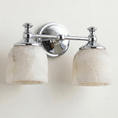
Poliertes Chrom
Helles, kühles Silber mit Spiegelglanz – frisch in modernen und minimalistischen Bädern.
Poliertes Nickel
Wärmerer Silberton als Chrom – vorteilhaft mit Crème-Marmor und warmem Holz.
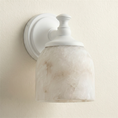
Weiß
Sauberes Satinweiß — verschwindet in hellen Wänden für eine dezente Installation.
Geschmiedetes Messing & von Hand veredelter Überzug. Der Körper ist aus Messingblech geschmiedet und von Hand veredelt – leichte Variationen im Überzugsglanz sind Teil des handwerklichen Charakters. Jeder Mattglasschirm ist mundgeblasen und kann subtile Form- und Wandstärkenunterschiede aufweisen, die für handgeblasenes Glas typisch sind.
Produktnotizen
D 15 × B 20,5 × H 26 cm
1 Kopf · ∅ 5,9″ × B 8,1″ × H 10,2″
D 47 × B 20,5 × H 26 cm
3 Köpfe · ∅ 18,5″ × B 8,1″ × H 10,2″
| Materialien | Körper aus geschmiedetem Messingblech · Glasschirme · Alabaster-Schirm |
| Oberfläche | Poliertes Messing · Mattschwarz · Chrom · Poliertes Nickel · Weiß · Wahl beim Kauf |
| Stil | Amerikanisch transitional · Waschtisch-/Badezimmer-Wandleuchte · Kurzarm |
| Größe — 1 Kopf | D 15 × B 20,5 × H 26 cm · ∅ 5,9″ × B 8,1″ × H 10,2″ |
| Größe — 2 Köpfe | D 35,5 × B 20,5 × H 26 cm · ∅ 14″ × B 8,1″ × H 10,2″ |
| Größe — 3 Köpfe | D 47 × B 20,5 × H 26 cm · ∅ 18,5″ × B 8,1″ × H 10,2″ |
| Lampenfassung | E12 oder E14 Kerzensockel pro Kopf · Leuchtmittel nicht enthalten |
| Empfohlene Leuchtmittel | Warmweiße 2700K–3000K-LED-Kerze, max. 40W-Glühlampenäquivalent pro Stück |
| Farbtemperatur | Abhängig vom gewählten Leuchtmittel · Warmweiß empfohlen für Mattglas-Leuchtkraft |
| Dimmbarkeit | Kompatibel bei Installation einer dimmbaren Birne und einem TRIAC-Dimmer |
| Spannung | AC 110–240V · universal |
| Montage | Festverdrahtet an Wandanschlussdose · gestufter Medaillonrücken verdeckt die meisten US-Einzelschacht-Dosen |
| SKU | RDW-102213 |
| Lieferzeit | Auf Bestellung gefertigt · Lieferzeit siehe Kasse |
| Am besten geeignet für | Badezimmer- & Gästebad-Waschtische · Ankleidezimmer · Flurpaare · Über Spiegeln & Badezimmerschränken · Klassische & übergangsstile Interieurs |
Montage
- Wird an eine Standard-Wanddose angeschlossen — professionelle Installation empfohlen.
- Die abgestufte Medaillonrückplatte passt auf die meisten US-amerikanischen Einzeldosenboxen; vor dem Bohren überprüfen.
- Für die Verwendung auf einem Badezimmerspiegel in einer Höhe von 75–80″ über dem fertigen Boden (mittig über dem Spiegel) installieren – beim 1er-Kopf – oder den 2er/3er-Kopf-Balken über der Mittellinie der Waschtischplatte zentrieren.
- Passt E14-Kronleuchter-Leuchtmittel — stellen Sie Ihre eigenen warmweißen LED-Kerzenleuchten bereit (eine pro Kopf).
- Geeignet für allgemeine Badezimmerinstallationen, die nicht direktem Duschstrahl ausgesetzt sind.
- Glas und Metall mit einem weichen, trockenen Tuch reinigen; keine Scheuermittel auf beschichteten Oberflächen verwenden.
Downloads
Häufig gestellte Fragen
Wie wähle ich zwischen 1, 2 und 3 Köpfen? +
Für eine Waschtischplatte unter 24″ funktioniert der 1er-Kopf (mittig über dem Spiegel) am besten. Bei 24–48″-Waschtischplatten der 2er-Kopf (∅ 14″-Balken) – mittig über dem Becken. Für 48–72″-Doppelwaschtische der 3er-Kopf (∅ 18,5″-Balken) – oder ein Paar Einzelköpfe auf beiden Seiten jedes Spiegels. Maßstab gegen Ihre Waschtischanordnung bestätigen.
Ist die Chart-Wandleuchte dimmbar? +
Ja, mit dem richtigen Leuchtmittel. Jeder Kopf benötigt ein E14-Kerzenbasisleuchtmittel. Installieren Sie dimmbare LED-Kerzenlampen an einem TRIAC-Wanddimmer und die Wandleuchte wird geschmeidig gedimmt. Warmweiß 2700K–3000K wird für schmeichelhaftes Licht beim Haarstyling empfohlen.
Kann ich sie im Badezimmer über der Dusche verwenden? +
Die Chart ist für allgemeine Badezimmerinstallationen geeignet, die nicht direktem Duschstrahl ausgesetzt sind – zum Beispiel über einer Waschtischplatte, einem Spiegel oder in einem Gäste-WC. Vermeiden Sie eine Platzierung direkt über einer Dusche oder Badewanne, wo Dampf und Wassernebel dauerhaft Kontakt haben. Für Installationen in nassen Bereichen kontaktieren Sie uns bitte.
Welche Oberfläche sollte ich wählen? +
Poliertes Messing eignet sich für warmtonige, übergangs- und traditionelle Badezimmer mit Creme- oder Holztönen. Mattschwarz verankert moderne Badezimmer mit Marmor und Stein. Chrom wirkt kühl und modern; poliertes Nickel ist wärmer als Chrom und harmoniert gut mit cremefarbenem Marmor. Weiß verschwindet in hellen Wänden für eine dezentere Lösung.
Warum Schmiededessing statt Guss- oder Spindelessing? +
Schmiedepressung komprimiert Messingblech unter hohem Druck zu einem dichteren, stärkeren Körper als gegossene oder gesponnene Alternativen – hält die Beschichtung langfristig besser und ist weniger anfällig für Dellen. Der Kompromiss ist höheres Gewicht und höhere Produktionskosten, weshalb Schmiedeglied-Messing der Standard für premium-amerikanische Badezimmerwandleuchten ist.
Downloads
Dimension drawings 3


Benötigen Sie eine 3D-Datei oder ein anderes Dokument? Einen Designer fragen — das ist kostenlos; 3D-Dateien werden für Ihr Projekt angefertigt, bitte rechnen Sie mit etwas Wartezeit.
Häufig gestellte Fragen
Welche genauen Abmessungen hat die Chart Short Arm-Wandleuchte?
1 Kopf: 5,9″ T × 8,1″ B × 10,2″ H. 2 Köpfe: 14″ T × 8,1″ B × 10,2″ H. 3 Köpfe: 18,5″ T × 8,1″ B × 10,2″ H.
Welche Materialien und Oberflächen sind verfügbar?
Gesenkgeschmiedeter Messinkörper mit Glas- oder Alabasterschirmen. Oberflächenfinish: Lackiertes Antikmessing, Schwarz, Poliertes Chrom, Poliertes Nickel oder Weiß.
Ist dies ein traditioneller oder moderner Stil?
Traditionell und modern/zeitgenössisch. Es verfügt über eine abgestufte Medaillonrosette und einen gedrehten Messingarm mit Glockendetail in der Sprache klassischer amerikanischer Badezimmer- und Ankleideraum-Beleuchtung.
Welche Leuchtmittel verwendet sie und sind diese enthalten?
E14-Kerzenleuchter-Fassungen; Leuchtmittel nicht enthalten. LED-Kerzenleuchten in Warmweiß 2700K–3000K werden empfohlen, maximal 40W Glühlampen-Äquivalent je Leuchte. Dimmbar, wenn mit einem dimmbaren Leuchtmittel und einem TRIAC-Dimmer verwendet.
Wie wird diese Wandleuchte installiert?
Festverdrahtet an eine Standard-Wandanschlussdose; fachmännische Installation wird empfohlen. Die abgestufte Medaillonrosette deckt die meisten US-amerikanischen Einzelschalter-Boxen ab. Bei Verwendung über dem Waschtisch sollte die Installation in einer Höhe von 75–80″ über Fertigfußboden erfolgen.
Wie viele Leuchtenköpfe kann ich wählen?
Erhältlich mit 1, 2 oder 3 Leuchtenköpfen, um Ihrer Waschtischbreite oder dem Raum entsprechend zu passen.
Noch unsicher? Eine Frage stellen — beantwortet innerhalb von 1 Geschäftstag.
- Einzigartiges Formdesign
- Verantwortungsvoll gefertigt
- Hochwertiges Material
- Getestet auf Langlebigkeit
PFLEGE
PFLEGE
- Mit einem weichen, trockenen Tuch abstauben.
- Um die Oberfläche zu schützen, empfehlen wir nicht, Haushaltsreiniger oder Scheuermittel zu verwenden.
- Die angegebene Wattleistung nicht überschreiten.
VERSAND- UND RÜCKGABERICHTLINIE
VERSAND- UND RÜCKGABERICHTLINIE
Genießen Sie kostenlosen Standardversand bei jeder Bestellung, versichert und nachverfolgt bis zu Ihrer Tür. Berechtigte Artikel können innerhalb von 30 Tagen nach Erhalt zurückgegeben werden. Maßgefertigte Artikel sind nicht rückgabeberechtigt.
In unserer Werkstatt
Auf Bestellung gefertigt, versichert versandt
Jede Leuchte wird bei Bestellung gefertigt – normalerweise 1–3 Wochen in unserer Werkstatt, etwas länger für handgeblasenes Glas und große Stücke. Dann wird sie versichert per Schiff versendet, Zoll durch uns geklärt, mit Tracking bis zu Ihrer Tür: Die meisten Bestellungen kommen 5–7 Wochen nach Bestellung an. Brauchen Sie es schneller? Express per Luft dauert insgesamt 2–4 Wochen, Preis wird an der Kasse berechnet.
Genau nach Ihren Wünschen
Hier ist nichts festgelegt
Ändern Sie die Oberfläche, die Farbe, den Stein, die Größe — oder schicken Sie uns eine Form.
- Oberflächenbibliothek20+ Metalloberflächen, fotografiert unter gleicher Beleuchtung
- Benutzerdefinierte Pantone-Farbelackiert nach Ihrem genauen Code
- Benutzerdefinierte SteinleuchtenIhre Maße in Marmor, Travertin oder Alabaster
- Schicken Sie uns einen Entwurfeine Skizze oder ein Foto — wir fertigen die Leuchte
Design-Services
Kostenlose Beleuchtungspläne für das ganze Haus
Senden Sie Grundrisse oder Fotos; ein Radilum-Designer erstellt einen Raum-für-Raum-Plan mit Leuchte, Größe und Montagehöhe — normalerweise innerhalb von 2 Werktagen.

Kostenloser Versand
Kostenloser Standardversand, versichert und verfolgbar bis zu Ihrer Haustür.

Nordamerikanische Zertifizierung
Übersicht der nordamerikanischen Zertifizierung

Sichere Bezahlung
Sichere Zahlung mit mehreren Kreditkarten.


Die Eisen- und Messinggeschichte
Von Hand gegossen, gemeißelt und vollendet
Unsere Messing- und Eisenleuchten werden in unserer eigenen Werkstatt gegossen, gemeißelt und von Hand vollendet — vergoldet, bronziert oder lackiert, weshalb keine zwei genau denselben Glanz haben. Die Farbe entsteht im Veredelungsbad statt gespritzt zu werden und wird dann versiegelt, um mit Anmut zu altern. Wählen Sie oben eine Oberfläche oder fragen Sie nach jeder anderen Metallfinish aus unserer Finishes Library.
Das Metall das das Licht
von Jahren hält.
Messing ist die Legierung, auf die Zivilisationen setzen, wenn Licht Bestand haben soll. Türgriffe, von drei Generationen poliert. Navigationsinstrumente, ein Jahrhundert nach der Verschrottung des Schiffes noch lesbar. Kirchenleuchter, die die Gemeinde überdauern. Die American Brass Collection von Radilum folgt derselben Philosophie – Leuchten aus H65-Messing, von Hand vollendet, gegen die Zeit versiegelt und dazu bestimmt, die Lampe zu sein, die Ihre Enkel noch erkennen.

Die Legierung, die sich weigert zu altern.
Messing ist eine Kupfer-Zink-Legierung, deren erstes bekanntes Schmelzen auf etwa 500 v. Chr. im östlichen Mittelmeerraum zurückgeht — griechische Handwerker legieren Galmei-Erz mit natürlichem Kupfer, um ein Metall zu erzeugen, das wie Gold glänzte, sich aber wie ein Werkzeug bog. In der römischen Kaiserzeit war Messing das Material von Münzen, Militärausrüstungen und den Haushaltslampen, die das späte Rom beleuchteten. Zweieinhalb Jahrtausende später bleibt es bei weitem die am häufigsten verwendete Nichteisenlegierung für technische Anwendungen auf dem Planeten — und das stille Arbeitstier der Leuchtindustrie.
Was Messing für die Beleuchtung einzigartig macht, ist ein Zusammenspiel von Eigenschaften, das kein einzelnes Metall erreicht. Kupfer verleiht ihm wärmere chromatische Tiefe und das spezifische Rot-Gelb, das luxuriös wirkt, nicht industriell. Zink härtet die Legierung genug aus, um scharfe gedrehte Profile, Gewindelehren und Gussdetails ohne die Weichheit von reinem Kupfer oder die Mattheit grauer Gusserzeugnisse zu halten. Die Mischung ergibt ein Metall, das bearbeitbar ist, wenn Sie es brauchen — und stabil für das nächste Jahrhundert.
Von den zwölf erhältlichen Messinggüten gibt Radilum das Messingblock H65 vor — 65% Kupfer, 35% Zink. Der Name stammt aus seiner ursprünglichen Verwendung: militärische Patronenhülsen, bei denen das Metall dem Schlag des Schusses standhalten musste, ohne zu reißen. Diese gleiche Robustheit, auf einen Lampenarm angewendet, bedeutet, dass das Teil unter Jahrzehnten von Wärmezyklen, Verschraubung von Hardware und Leuchtmittelwechsel dimensional stabil bleibt. Legierungen mit niedrigerem Kupfergehalt (H62, H59) sind billiger, aber spröder. Wir verwenden sie nicht.
Die Radilum-Messingkollektion basiert auf einer einfachen Erkenntnis, die die breitere Beleuchtungsindustrie in den letzten zwei Jahrzehnten vergessen hat: dass der Kostenunterschied zwischen einer echten Messingleuchte und einer messingplattierten Zinkleuchte in Jahren Nutzungsdauer messbar ist, nicht in Dollar an der Kasse.
Vier Eigenschaften, die alles verändert
darüber, wie eine Leuchte altert.
Die meisten Leuchten werden nach ihrem Aussehen auf Produktfotos ausgewählt. Messing ist einer der wenigen Werkstoffe, die sich über die nächsten dreißig Jahre bewähren. Die Unterschiede liegen in vier physikalischen und ästhetischen Eigenschaften.
01 Gewicht, das Qualität ausstrahlt
Massives H65-Messing hat eine Dichte von 8,5 g/cm³ — dichter als Stahl, dichter als Gusseisen, mehr als dreimal so schwer wie Zinkdruckguss. Eine Messingwandleuchte vergleichbarer Größe wiegt fast viermal so viel wie eine messingplattierte Zinkwandleuchte. Sie spüren den Unterschied, sobald Sie die Schachtel öffnen. Das ist keine Marketingaussage — das ist Chemie.
02 Lebende Oberfläche, keine Beschichtung
Messing-beschichtete Oberflächen sind Lackierungen, die zufällig metallisch wirken. Sie zerkratzen, splittern ab und geben billige Legierungen darunter frei. Vollmessing ist die Oberfläche — was Sie sehen, ist das Metall selbst, poliert oder patiniert. Ein Kratzer auf beschichtetem Messing ist ein Mangel; ein Kratzer auf Vollmessing ist eine Gebrauchsspur, die sich wieder polieren lässt. Dies ist der Grund, warum Blechblasinstrumente ein Jahrhundert Tourneetätigkeit überstehen, während beschichtete Hardware in fünf Jahren aus der Mode kommt.
03 Natürlich antimikrobiell
Messinglegierungen sind oligodynamisch — ihre Oberflächenionen zerstören Mikrobenmembranen bei Kontakt. Die EPA registriert Massivmessing und Bronze als antimikrobische Oberflächen. Eine Messingschalterplatte, ein Lampengriff oder eine Türbeschlag ist deutlich hygienischer als das Edelstahl-Äquivalent. Bei häufig berührten Leuchten (Nachttischleuchten, Flurwandleuchten) hat dies eine Bedeutung, die in den Broschüren üblicherweise zu kurz kommt.
04 Ein Spektrum, das das Auge als warm liest
Messing reflektiert Licht selektiv über das sichtbare Spektrum — absorbiert leicht mehr Blau und Grün und reflektiert mehr Rot und Gelb. Das Ergebnis ist, dass jede Lichtquelle, die in oder neben einer Messingarmatur montiert ist, einen leichten warmen Schimmer erhält. Wir wählen die LED-Spezifikation mit dieser Verschiebung: Ein 2700-K-Leuchtmittel hinter Messing wirkt auf das Auge ungefähr wie 2550 K, die Farbe von Fensterlicht am späten Nachmittag.
Sechs Oberflächen. Sechs unterschiedliche Gespräche
zwischen Metall und Raum.
Ein einzelner Block aus H65 kann auf ein Dutzend Arten veredelt werden – und die Oberflächenfinish entscheidet mehr als jede andere Variable über den Charakter der Leuchte. Das Atelier pflegt sechs Standard-Charaktere und erstellt auf Anfrage auch Sonderpatinas. Bei Projekten mit drei oder mehr Leuchten werden vor der endgültigen Bestellung physische Muster versendet.
- Reflektivität~85%
- VersiegelungIncralac
- Geeignet fürFormale Räume
- Reflexion~35 %
- TexturLinearer Satin
- Geeignet fürDie meisten Projekte
- TonBernstein bis Schwarz
- VariationJedes Stück einzigartig
- Ideal fürVintage-Einrichtungen
- Reflexion~5%
- KantenMessingglanz
- Ideal fürModerner Luxus
- SchutzlackKeiner
- PatinaKontinuierlich
- Ideal fürHeritage-Häuser
- BeschichtungSatinnickel
- KorpusSolid H65
- Geeignet fürKühle Farbpaletten
Die siebzehn, die Sie tatsächlich bestellen können
Die sechs Zeichen oben beschreiben, wie sich eine Oberfläche verhält. Was Sie festlegen, ist eine von siebzehn nummerierten Oberflächen — oder eine benutzerdefinierte Patina, die wir nach einer von Ihnen gesendeten Probe anfertigen.
 01
01 02
02 03
03 04
04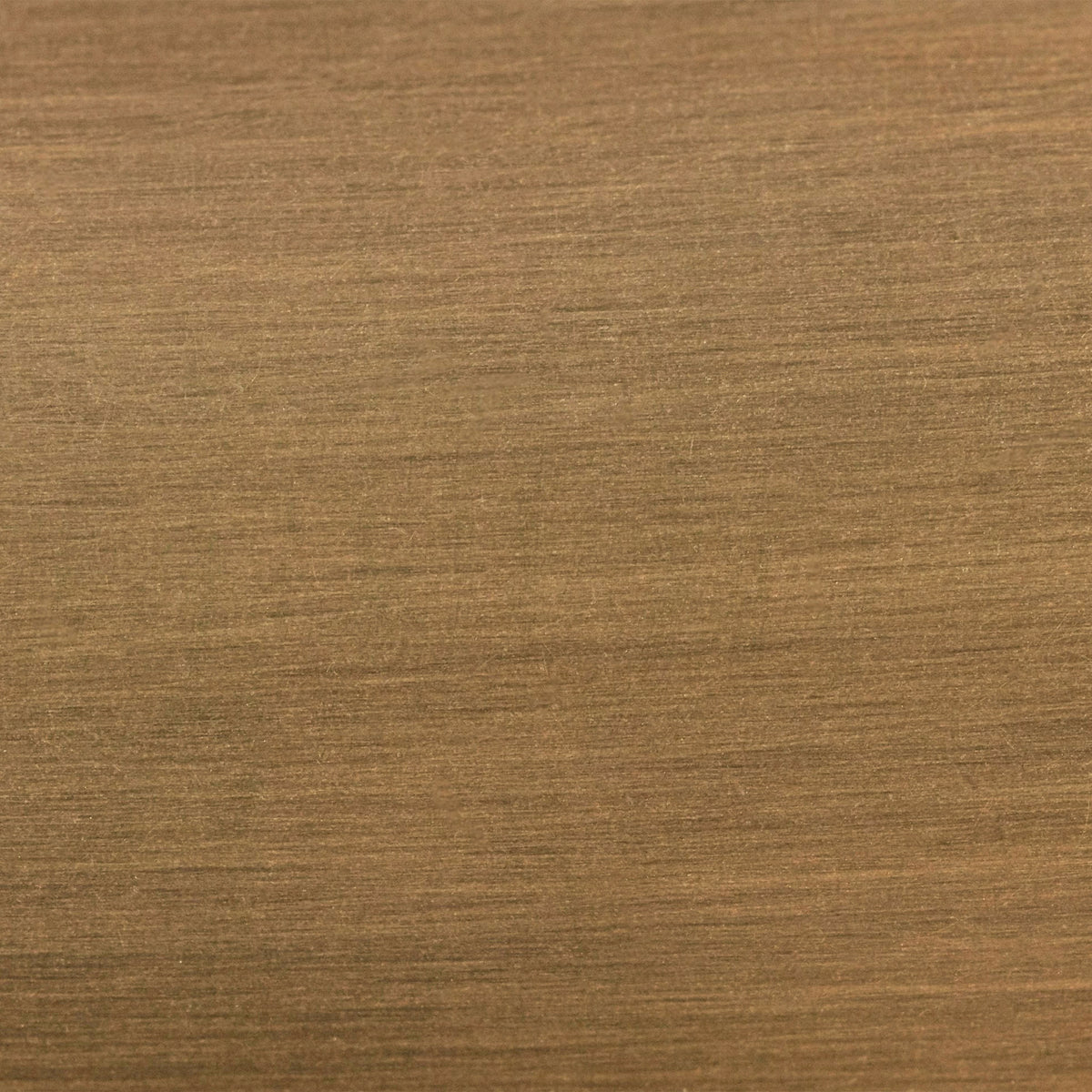 05
05 06
06 07
07 08
08 09
09 10
10 11
11 12
12 13
13 14
14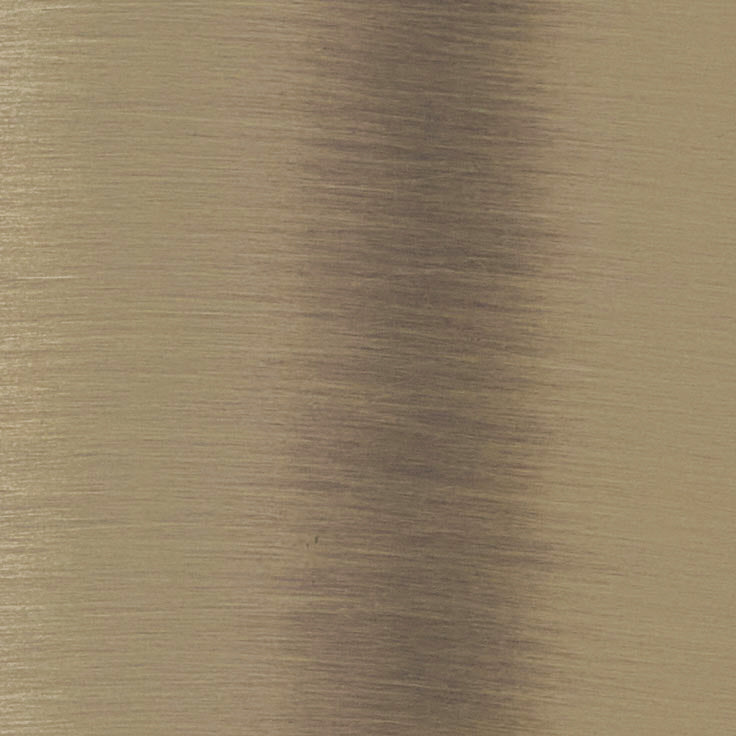 15
15 16
16 17
17
Oberflächen 01–17 · Messing, Bronze, Eisen, Stahl, Nickel, Chrom, Schwarz · benutzerdefinierte Patinas auf Anfrage angepasst
Bestellen Sie nach Nummer, nicht nach Name. "Antikmessing", "verarbeitetes Messing", "gebürstetes Messing" — fragen Sie fünf Ateliers, was das bedeutet, und fünf verschiedene Metalle kommen zurück. Oberfläche 04 ist die gleiche physische Musterprobe in unserem Studio, auf der Werkstattbank und auf Ihrem Lieferschein.
Und da kein Bildschirm Metall wirklich ehrlich darstellt, versenden wir die physischen Muster, bevor etwas festgelegt wird. Halten Sie sie gegen Ihre Schrankfronten und Wandfarbe zur Stunde, in der Sie den Raum tatsächlich nutzen — dann geben Sie die Nummer an.
Farbe, die gewachsen, nicht aufgesprüht wird.
Eine Messingoberfläche ist kein Anstrich — sie ist eine kontrollierte chemische Reaktion auf der Oberfläche des Metalls selbst. Während ein aufgesprühter Lack aufliegt und irgendwann abplatzt, ist eine echte Patina das Messing, das mit Schwefel, Ammoniak oder Säuresalzen reagiert, bis sich die Oberflächenionen verfärben. Der Ton, den Sie sehen, ist das Metall, verwandelt. Deshalb wird ein patiniertes Radilum-Leuchtenobjekt mit der Zeit dunkler, statt abzuplatzen — und deshalb wird jedes Stück von Hand einzeln gefärbt.
Sieben Stufen, zehn bis zwölf Wochen,
und nichts existiert, bevor Sie sich entscheiden.
Eine Radilum-Leuchte wird nicht aus dem Regal gezogen. Sie wird bearbeitet, gegossen, poliert, patiniert und versiegelt nachdem Sie bestellt haben — daher kann die Oberfläche genau das sein, was Sie möchten, und daher dauert das Ganze zwölf Wochen statt zwei Tage.
Ein Projektspezialist begleitet den Auftrag von der Anfrage bis zur Installation. Es gibt keinen Übergabepunkt zwischen Vertrieb, Design, Produktion und Versand; die Person, die Ihre erste E-Mail beantwortet, ist diejenige, die Ihnen die Polierfotos sendet.
Die vier Phasen, die Sie fotografiert sehen werden
Die Phasen drei bis sechs finden im Atelier statt, und jede kommt als Zeitstempel-Fotografie in Ihren Posteingang. Nicht, weil Bilder etwas verkaufen – zwölf Wochen ist eine lange Zeit, um einer Werkstatt auf der anderen Seite der Welt zu vertrauen, und ein Foto ist das Einzige, das beweist, dass das, was wir beschrieben haben, tatsächlich passiert ist. Sie kommen, ob Sie fragen oder nicht.

Stahl geschnitten nach Ihrer Zeichnung
Die freigegebene Visualisierung wird zu einem parametrischen Modell, dann zu einem Fünf-Achsen-Werkzeugweg, dann zu einer Stahlform, die in unserer eigenen Werkstatt gefertigt wird. Nichts wird ausgelagert — eine Toleranz, die in diesem Stadium verloren geht, kann später nicht mehr zurückgewonnen werden.

H65 — die Patronenhülsen-Legierung
65 % Kupfer, 35 % Zink: Das Messing, das ursprünglich für Munitionshülsen vorgesehen war, weil es Schocks absorbiert, ohne zu reißen. Jedes gegossene Teil wird geglüht, damit es in zehn Jahren nicht reißt.

Farbe wird gezüchtet, nicht gespritzt
Ein Techniker führt Ihre Leuchte durch jedes Körnung hindurch, dann durch das Patina-Bad. Die Reaktion wird Sekunden nach Erreichen des Tons gestoppt, und die Hochpunkte werden von Hand zurückgerieben. Sein Zeichen ist auf der Befestigungsplatte eingraviert.

Mehrschicht-Dichtmittel, getestet für 25 Jahre
Drei Schichten importiertes Incralac — der Konservierungslack, den Museen auf Bronzeskulpturen verwenden. Beschleunigte Alterungstests zeigen 25+ Jahre anlauffreie Oberfläche — oder wir überspringen diese Stufe ganz, auf Anfrage.
Die Musterprobe ist der günstigste Schritt in der gesamten Ausführung und der einzige, der eine Neuanfertigung verhindert — die Oberfläche ist die einzige Variable, die nicht mehr korrigiert werden kann, sobald die Leuchte gebaut ist.
Fünf Archetypen — das arbeitende Portfolio.
Die meisten Projekte entstehen aus einer von fünf Standardkategorien. Jede Kategorie skaliert von intimen Wohnräumen bis zu vollständig ausgestatteten Hospitality-Räumen; jede Kategorie akzeptiert jeden der siebzehn Oberflächenfinishes; jede Kategorie wird UL-zertifiziert für Nordamerika versandt (CE/SAA auf Anfrage verfügbar).



Drei Prinzipien aus zwei Jahrhunderten
amerikanischer Innenarchitektur.
Die Radilum American Brass Collection wird von drei Traditionen geprägt — die neoklassische Proportion der Federal-Periode, die Arts & Crafts-Bewegung des frühen 20. Jahrhunderts und die industrielle Fachsprache der Mitte des 20. Jahrhunderts. Das Ergebnis ist eine Kollektion, die amerikanisch wirkt — nicht, weil sie mit Adlern und Sternen verziert ist, sondern weil sie die gleiche Zurückhaltung und strukturelle Ehrlichkeit teilt, die diese drei Traditionen verbindet.

Zurückhaltung & Proportion
Aus der Federal-Periode: Symmetrie, Balance, Zurückhaltung. Arme in goldenen Schnitt-Intervallen abgestuft. Baldachine in der Größe des Trägers, von dem sie herabsteigen. Nichts ist Dekoration um der Dekoration willen. Die Eleganz liegt in der Proportion, nicht im Ornament.

Strukturelle Ehrlichkeit
Aus dem Vokabular der Arts & Crafts: Funktion ausgedrückt, nie verborgen. Die Handwerkskunst zeigt sich. Befestigungen sind sichtbar und bewusst gesetzt. Der Arm einer Wandleuchte ist geformt, weil er ein Leuchtmittel tragen muss — und diese Form ist das Design. Nichts gibt vor, etwas anderes zu sein, als es ist.

Klassische Schirme
Aus der Mitte des Jahrhunderts industrial: Opalglas-Milch, Rillenoptik-Glas, gewebtes Leinen, perforiertes Metallgewebe. Jeder Schirm hat ein hundertjähriges Vokabular hinter sich. Wir passen den Schirm zum vorgesehenen Raum der Leuchte an — nicht zur Vorliebe des Fotografen für das, was in den sozialen Medien wirkt.
Beginnen Sie mit einem Projekt-Briefing oder einer Oberflächenmuster.
Ob Sie eine einzelne Nachttischleuchte oder hundert passende Leuchten für einen großen Hospitality-Ausbau benötigen, der erste Schritt ist immer der gleiche — schreiben Sie uns. Der Projektfachmann, der Ihre E-Mail liest, ist derjenige, mit dem Sie vom Briefing bis zur Installation zusammenarbeiten. Jede E-Mail erhält eine echte Antwort innerhalb von 24 Stunden.
Montagehöhen für Wandleuchten
Wo die Leuchte an der Wand sitzt, entscheidet darüber, ob sie als Dekoration oder als praktisches Licht wirkt.
Größentabelle
| Größe |
| Fläche XS |
| Raum XS |
| Größe | DIA 2"-6" | DIA 6"-12" | DIA 12"-18" | DIA 20"-24" | DIA 24"-32" | DIA 32"-40" |
|---|---|---|---|---|---|---|
| Fläche | 32–54 QFT | 54–107 QFT | 107–161 QFT | 161–215 QFT | 215–269 QFT | 269–378 QFT |
| Raum | BADEZIMMER/GANG | ESSZIMMER | KÜCHE | SCHLAFZIMMER | WOHNZIMMER | GEWERBLICHER INNENBEREICH |
* Größen sind amerikanisch und werden in Zoll angegeben.
Raum vervollständigen
Stücke, die sich dazu gesellen the Chart
Aus der gleichen Zeitgenössische Kunst Linie – ausgewählt, damit der Raum harmonisch wirkt.


Looks so much better than the old one.
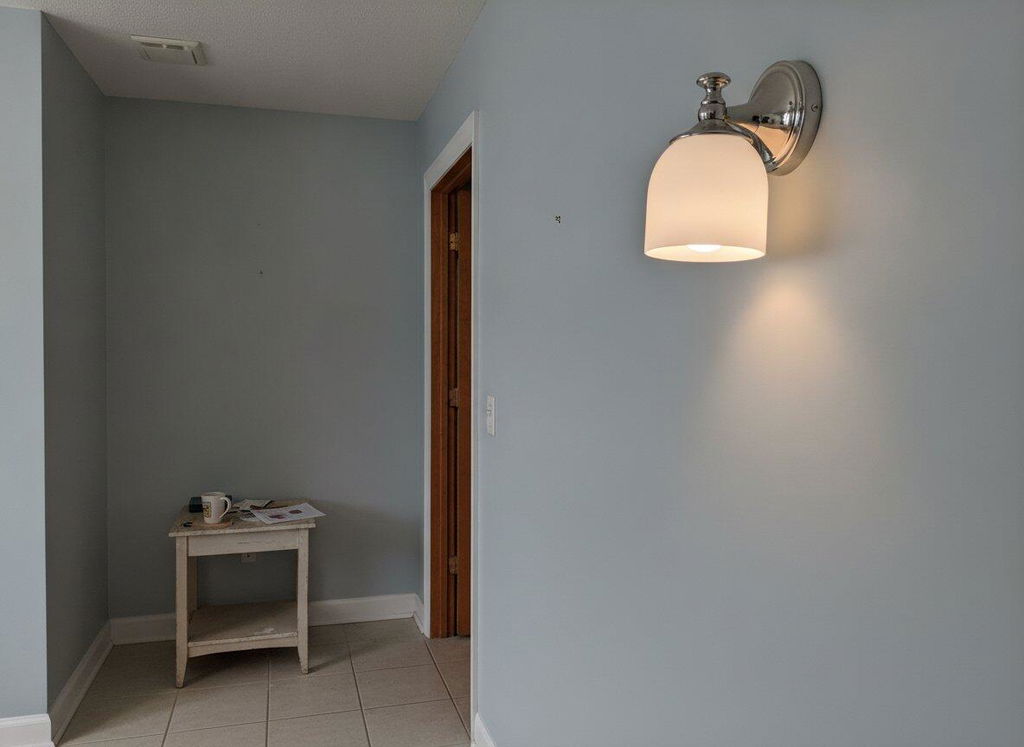
Easy install, looks expensive.
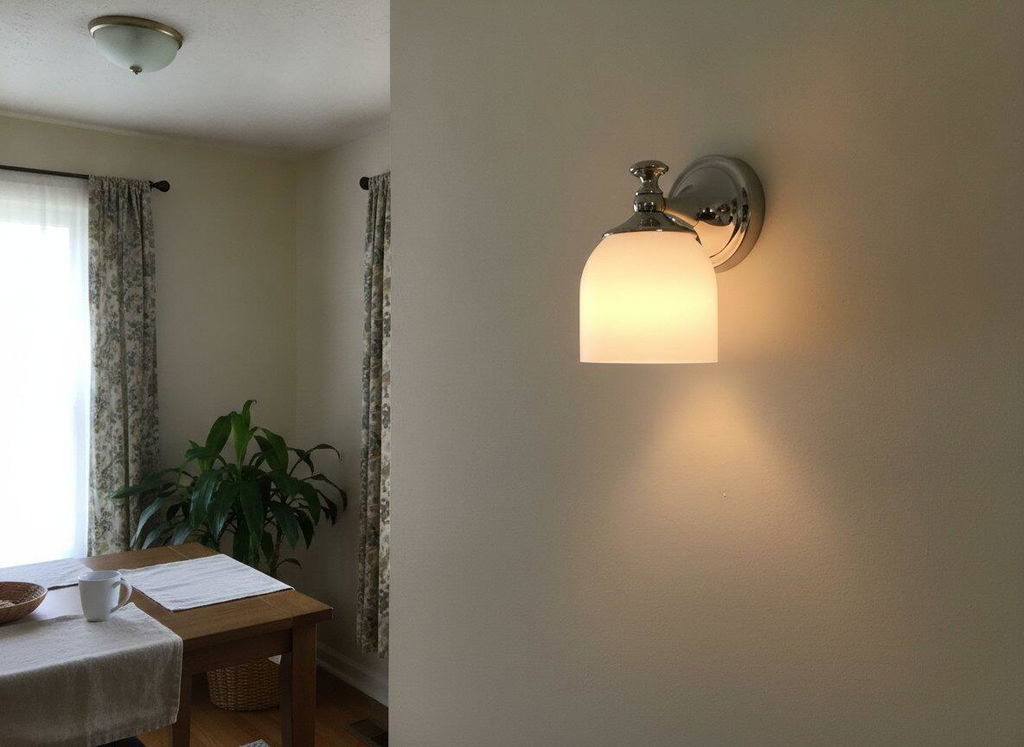
Love these. Light is soft and warm.
Love these in our powder room.
Looks expensive.
Looks good in our powder room. Wish the light was a bit brighter though.
Looks beautiful in our powder room.
So happy with this.
It's gorgeous. Husband installed in like 30 min. The frosted glass gives off nice soft light for the mirror.
Got this in chrome for our powder room and honestly obsessed. The frosted glass is perfect, no harsh glare when you're doing makeup. Hubby installed it in like 15 minutes.
Got the chrome finish and honestly it's beautiful.
Looks great and install was easy. Light output is softer than i expected but works fine for our hallway.
Looks great but tbh kinda expensive for what it is.
Got this for our powder room and it's super cute but wished the light was a bit brighter.
This fixture has the perfect balance of style and function. It doesnt overpower the room but still makes a statement.
I was impressed by how easy it was to install. Within minutes, I had a beautiful light fixture on my wall. The warm glow makes my space feel so much more inviting.
Absolutely love this wall lamp! The soft light it provides makes the room so cozy in the evenings. The quality feels amazing for the price I paid.
We chose this wall lamp for our living room, and it looks amazing. The design is versatile and complements various decor styles. Our guests have complimented it multiple times.
These wall lamps were the finishing touch our living room needed. The design is versatile enough to work with both modern and traditional dcor. They look like designer fixtures without the hefty price tag.
This wall lamp adds a touch of elegance to our living room. The light it emits creates a warm and inviting ambiance that's perfect for entertaining guests.
I needed something simple but stylish for my bathroom, and this was perfect. It doesnt take up much space but makes a big design impact. Couldnt be happier with the result.
We are so happy with this purchase. The fixture is sturdy, stylish, and the glow is warm and inviting. It made our hallway look brand new.
I added this light to our bedroom and it was exactly what the space needed. Its subtle, elegant, and practical. Our guests always comment on how nice it looks.
I'm impressed with the craftsmanship of this sconce. The finish is flawless, and the design is sleek and modern. It's a great value for the price.
This wall lamp looks even better in person than it does online. The finish is gorgeous, and it feels like something out of a high-end design magazine. It instantly upgraded the space.
This wall lamp is both functional and decorative. It's the perfect size for our bedroom, providing ample light without being obtrusive.
Perfect wall fixture for my bedroom. It gives a professional yet warm look, and the lighting is just right for working late evenings. I couldnt be happier with this purchase!
We added this sconce to our bedroom, and it instantly elevated the space. The brass finish catches the light beautifully, creating a welcoming atmosphere.
I wasnt sure if this would fit with my existing dcor, but it blends so seamlessly. The craftsmanship is solid, and the design feels timeless. It really adds a touch of sophistication to the room.
Such a great addition to our living room. The design is classic with a modern touch, and it balances the space perfectly. Everyone who sees it asks where I bought it.
I bought a pair of these sconces for either side of my bed, and they are amazing. The quality feels excellent and the price was reasonable.
This wall lamp exceeded my expectations. The design is timeless, and the materials used are top-notch. It's a beautiful addition to our livingroom.
This wall lamp exceeded my expectations. Its both functional and decorative, giving our hallway such a refined look. Easy to install and feels like it will last for years.
Can this be installed in the upright position?
Yes! This sconce can be installed either up or down (upright or downward-facing) depending on your preference and design needs.
Kürzlich angesehen
Willkommensangebot
Zehn Prozent Rabatt auf Ihre erste Bestellung
Geben Sie den Code an der Kasse ein. Gilt für die gesamte Bestellung, einschließlich benutzerdefinierter Oberflächen.
Handel & Designer
Handelsprogramm
Netto-Preisgestaltung bei jeder Leuchte, Oberflächenmuster, 3D-Modelle auf Anfrage und ein dedizierter Projektansprechpartner — für Innenarchitekten, Architekten, Hospitality und Projektentwickler.
Geschäftskonto beantragen