



Radilum
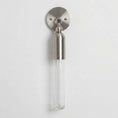
Darby Wandlamp
Gratis standaardverzending naar de VS, Canada, EU, VK, AU en VAE
💡 Gebruik couponcode RDSHN om 10% korting te genieten
Een heel project verlichten? Vraag naar zakelijke prijzen →
Vaak samen gekocht
 $295.00
 $399.00
 $195.00
 $700.00
Messing Koepel · Mondgeblazen Helder Glas · G9 Bi-Pin
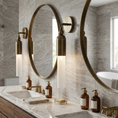
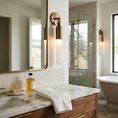
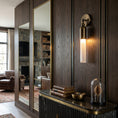
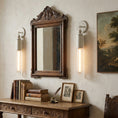
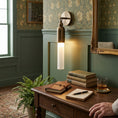
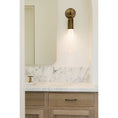
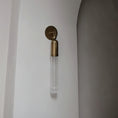
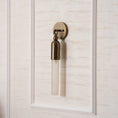
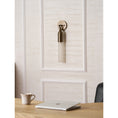
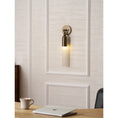
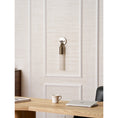
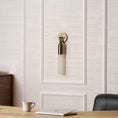
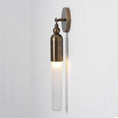
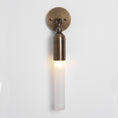
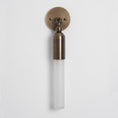
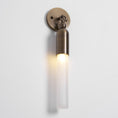
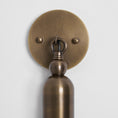
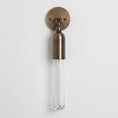
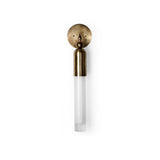
Een herontdekte klassieker — de Darby combineert een zachte, licht-diffuserende messing koepel met een slanke mondgeblazen ondoorzichtig glazen cilinder die de gloeidraad van de lamp met stille karakterisering doorheen laat zien. Het glas is opzettelijk transparent, met een subtiel handbewerkt oppervlak dat licht vangt en breekt. Verfijnde warmte en tijdloze charme in gelijke maten.
Bekijk het in actie
Productoverzicht
Afwerking Lichaam — Kies bij Afrekenen
Materialen & Vakmanschap
Messinglichaam
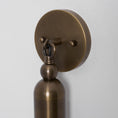
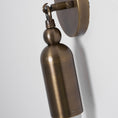
Massieve messing koepel en arm — diffundeert zacht overheadlicht door zijn gebogen profiel.
Opaalglas
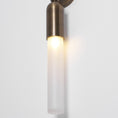
Mondgeblazen ondoorzichtige glazen cilinder met subtiel handbewerkt oppervlak — de gloeilamp is erdoorheen zichtbaar.
G9 Bi-Pin
Compacte G9 fitting — slanke, pin-gebaseerde gloeilampen die in de slanke glazen cilinder verdwijnen.
Productopmerkingen
| Afmetingen | D 12,5 × W 9 × H 51 cm / ∅ 4.9″ × W 3.5″ × H 20.1″ |
| Materiaal lichaam | Massief messing |
| Materiaal van de kap | Opaal geblazen glas |
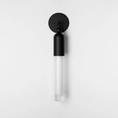
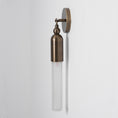
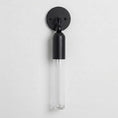
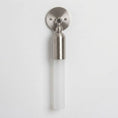
| Afwerkingen behuizing | Vibration Geborsteld Brons · Zwart · Nikkel |
| Fitting | G9 Bi-Pin Voet |
| Gloeilamp inbegrepen | Nee — afzonderlijk verkrijgbaar |
| Bedrading | Inbouw in wand |
| SKU | RDW-211527 |
Installatie
- Hardwired wandinstallatie — een erkend elektricien wordt aanbevolen.
- Past in een standaard enkele wanddoos. Alle bevestigingshardware is inbegrepen.
- Dimbaar in combinatie met een dimbaarbare G9 LED gloeilamp en een TRIAC-compatibele muurdimeraar.
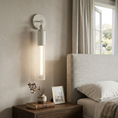
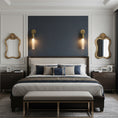
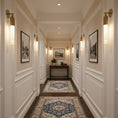
- Aanbevolen plaatsing: op ooghoogte (≈ 150 cm / 60" vanaf de vloer) voor gangen en entrees; 75–90 cm boven het nachtkastvlak voor gebruik in de slaapkamer.
Gezien op Instagram
Echte installaties van klanten — tik op een kaart om het volledige bericht op Instagram te openen.


Veelgestelde vragen
Is de glazen cilinder helder of matglas? +
Het glas is matglas — geblazen met een subtiel handgestructureerd oppervlak dat zacht het licht vangt. De lamp is zichtbaar door het glas wanneer de lamp brandt, wat deel uitmaakt van het ontwerp van de Darby. Vanwege dit heeft uw lampselectie een sterk visueel effect.
Welke gloeilamp beveelt u aan? +
Een G9 bi-pin LED-lamp in warm wit (2700K), 3–4W. Omdat het glas doorzichtig is, heeft het uiterlijk van de lamp veel invloed: kies een kleine, slanke G9 LED met een schoon, smal profiel — vintage gloeidraad G9-lampen zien er bijzonder elegant uit. Vermijd te grote capsulelampen die te prominent kunnen uitsteken of te laag in de cilinder kunnen zitten.
Hoe ziet "Vibration Geborsteld Brons" eruit? +
Het is een warme, licht gehavende bronzekleur met een fijne vibration-geborstelde oppervlaktetextuur — geen hoogglans afwerking. De borsteling verzacht het brons en geeft het een handgemaakt, tastbaar karakter. Zwart en Nikkel zijn meer vlakke, uniforme afwerkingen in vergelijking.
Hoe groot is deze lamp? Zal het goed uitkomen boven mijn nachtkastje? +
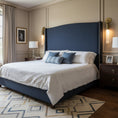
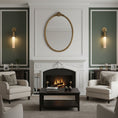
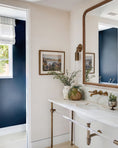
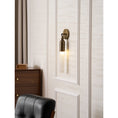
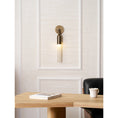
De Darby is slank en hoog — 12,5 cm breed en 51 cm hoog (∅ 4.9″ × H 20.1″). Hij ziet er prachtig uit als verticaal accent boven een nachttafeltje, naast een spiegel, of het lijstwerk van een deuropening. Voor bredere ruimten of als enige lichtbron boven een bed, overweeg dan twee naast elkaar te plaatsen.
Is de lamp dimbaar? +
Ja — in combinatie met een dimbaarbare G9 LED gloeilamp en een TRIAC-compatibele muurdimeraar (bijv. Lutron Skylark, Leviton Decora), dimbaart de Darby soepel. Let op: niet alle G9 LEDs zijn dimbaar, dus controleer de gloeilampspecificaties voordat u koopt.
Ontwikkelt het messing een patina? +
De Vibration Brushed Bronze afwerking is verzegeld en stabiel — het zal onder normale binnenomstandigheden niet significant patineren of verkleuren. Zwart en nikkel afwerkingen zijn eveneens stabiel. Als u de voorkeur geeft aan een afwerking die natuurlijk veroudert over tijd, bekijk onze andere onverzegelde messing collecties.
Hoe maak ik het glas schoon? +
Schakel het wandapparaat uit en laat de lamp afkoelen. Reinig de heldere glascilinder met een zachte doek en mild glasreiniger — omdat het oppervlak gestructureerd is, vingerafdrukken en stof zijn gemakkelijk zichtbaar, maar wissen schoon weg. Stof het messinglichaam met een zachte droge doek.
Downloads
Downloads
Dimension drawings

Heeft u een 3D-bestand of ander document nodig? Stel een vraag aan een designer — het is gratis; 3D-bestanden worden op aanvraag voor uw project uitgevoerd, dus houd alstublieft rekening met wat tijd.
- Uniek vormontwerp
- Verantwoord gemaakt
- Materiaal van hoge kwaliteit
- Getest op duurzaamheid
ONDERHOUD
ONDERHOUD
- Stoffen met een zachte, droge doek.
- Om de afwerking te beschermen, raden we het gebruik van huishoudelijke schoonmaakmiddelen of schuurmiddelen niet aan.
- Overschrijd de opgegeven wattage niet.
VERZEND- EN RETOURBELEID
VERZEND- EN RETOURBELEID
Geniet van gratis standaardverzending bij elke bestelling, verzekerd en gevolgd tot aan uw deur. Geschikte artikelen kunnen binnen 30 dagen na ontvangst worden geretourneerd. Op maat gemaakte artikelen komen niet in aanmerking voor retournering.
In onze werkplaats
Op maat gemaakt, verzonden verzekerd
Elke armatuur wordt gemaakt wanneer u deze bestelt — meestal 1–3 weken in onze werkplaats, iets langer voor handblazen glas en grote stukken. Vervolgens wordt het verzekerd per zee verzonden, douane door ons afgehandeld, met tracering tot aan uw deur: de meeste bestellingen arriveren 5–7 weken na bestelling. Heeft u het sneller nodig? Express air duurt in totaal 2–4 weken en wordt bij afrekenen geprijsd.
Gemaakt naar wens
Niets hier is vast
Verander de afwerking, de kleur, de steen, de afmeting — of stuur ons een vorm.
Ontwerpservices
Gratis verlichtingsplannen voor het hele huis
Stuur plattegronden of foto's; een Radilum-ontwerper stuurt u een ruimte-voor-ruimte plan met armatuur, afmetingen en montagehoogte — meestal binnen 2 werkdagen.

Gratis verzending
Gratis standaardverzending, verzekerd en gevolgd tot aan je deur.

Noord-Amerikaanse certificering
Overzicht Noord-Amerikaanse certificering

Veilige Betaling
Veilige betaling met meerdere creditcards.


Het verhaal van ijzer & messing
Met de hand gegoten, gefineerd en afgewerkt
Onze armaturen van messing en ijzer worden gegoten, gefineerd en afgewerkt in onze eigen werkplaats – met de hand verguldigd, gebronsd of gelakt, daarom heeft geen enkele precies dezelfde glans. Kleur ontstaat in het afwerkingsbad in plaats van gespoten te worden, waarna het wordt verzegeld om elegant mee te groeien. Kies hierboven een afwerking, of vraag om een ander metalen afwerking uit onze Finishes Library.
Het metaal dat het licht
der jaren vasthoudt.
Messing is de legering waar beschavingen naar grijpen wanneer zij willen dat licht blijft bestaan. Deurgrepen die door drie generaties zijn gepolijst. Navigatie-instrumenten die een eeuw nadat het schip werd gesloopt nog steeds leesbaar zijn. Kerkcandelabers die hun parish overleven. De American Brass Collection van Radilum is gebouwd op diezelfde verwachting — armaturen gesmeed uit H65 cartridgebrass, met de hand afgewerkt, verzegeld tegen de tijd, en bedoeld om de lamp te zijn die uw kleinkinderen nog steeds herkennen.

De legering die weigert te verouderen.
Messing is een koperzinklegerering waarvan de eerste bekende smelting ongeveer 500 v.Chr. in de oostelijke Middellandse Zee plaatsvond — Griekse ambachtslieden smolten calamine-erts met natuurkoper om een metaal te produceren dat als goud klonk maar zich als gereedschap boog. In de Romeinse keizerperiode was messing het materiaal van munten, militaire fittingen en de huishoudelijke lampen die het late-republikeinse Rome verlichten. Tweeënhalf millennium later blijft het met enorm verschil het meest gebruikte niet-ferromagnetische engineeringlegering op de planeet — en het stille werkhorse van de verlichtingsindustrie.
Wat messing uniek geschikt maakt voor verlichting is een samenstel van eigenschappen die geen enkel eenelementig metaal bereikt. Koper geeft het warme chromatische diepte en het specifieke rood-geel dat als luxueus leest in plaats van industrieel. Zink verhardt de legering genoeg om scherpe gedraaide profielen, schroefdraadkoppelingen en gegoten details vast te houden zonder de zachtheid van zuiver koper of de dofheid van grijze gietingen. De mengeling produceert een metaal dat werkbaar is wanneer je het nodig hebt — en rigide voor de volgende eeuw.
Van de twaalf beschikbare messingsoorten specificeert Radilum H65 cartridge messing — 65% koper, 35% zink. De naam komt van het oorspronkelijke gebruik: militaire cartridgehuizen, waar het metaal de schok van het afvuren moest opvangen zonder te splijten. Diezelfde sterkte, toegepast op een lamparm, betekent dat het onderdeel dimensionaal stabiel blijft onder decennia van thermische cycli, hardware aandraaien en gloeilampvervanging. Lagere koperlegeringen (H62, H59) zijn goedkoper maar brozer. We gebruiken ze niet.
De Radilum messing collectie is gebouwd op een eenvoudige herkenning die de bredere verlichtingsindustrie de afgelopen twee decennia is vergeten: dat het kostenverschil tussen een echte messingfixture en een verguld zink exemplaar meetbaar is in jaren dienst, niet in dollars bij de kassa.
Vier eigenschappen die alles veranderen
over hoe een lamp veroudert.
De meeste fixturetypen worden gekozen voor hoe de lamp eruitziet op de showroommodie. Messing is een van de zeer weinige materialen die zijn plaats verdient gedurende de volgende dertig jaar. De verschillen komen neer op vier fysieke en esthetische eigenschappen.
01 Massa die als kwaliteit aanvoelt
Massief H65-messing heeft een dichtheid van 8,5 g/cm³ — dichter dan staal, dichter dan gietijzer, meer dan drie keer het gewicht van zink-spuitgietwerk. Een messingwandlamp van vergelijkbare grootte met een verguld zink exemplaar weegt bijna vier keer zoveel. Je voelt het verschil zodra je de doos optilt. Het is geen marketing — het is scheikunde.
02 Levende afwerking, geen coating
Met verguld messing zijn oppervlakten verf die toevallig metalliek is. Ze krassen, splinteren en geven goedkoper legering eronder bloot. Massief messing is de afwerking — wat je ziet is het metaal zelf, gepolijst of geverfd. Een kras op verguld messing is een fout; een kras op massief messing is een slijtagemarkering die zelf weer oppolijst. Dit is waarom messinginstrumenten een eeuw durende tournees overleven terwijl verguld hardware in vijf jaar uit de mode raakt.
03 Van nature antimicrobieel
Koperlegeringen zijn oligodynamisch — dit betekent dat hun oppervlakte-ionen microbiële celwanden bij contact verstoren. De EPA registreert massief messing en brons als antimicrobiële oppervlakken. Een messingschakelaarplaat, lampuittrekker of deurafwerking is aanzienlijk schoner dan het roestvrijstalen equivalent. Voor fixtures die veel worden aangeraakt (nachtkastje lampen, gang wandlampjes) is dit veel belangrijker dan de brochures gewoonlijk vermelden.
04 Een spectrum dat het oog als warm leest
Messing reflecteert licht selectief over het zichtbare spectrum — het absorbeert iets meer blauw en groen, en reflecteert meer rood en geel. Het resultaat is dat elke lichtbron gemonteerd in of dicht bij een messingfixture een zwakke warme gloed krijgt. We ontwerpen de LED-specificatie met deze verschuiving in gedachten: een 2700K-lamp achter messing wordt door het oog gelezen als ongeveer 2550K, de kleur van laat-middaglicht door het raam.
Zes afwerkingen. Zes verschillende gesprekken
tussen metaal en ruimte.
Een enkel blok H65 kan op een dozijn manieren worden afgewerkt — en de afwerking bepaalt meer dan enige andere variabele de persoonlijkheid van het armatuur. Het atelier onderhoudt zes standaard karakters en voegt aangepaste patina's toe op verzoek. Fysieke stalen worden vóór de definitieve bestelling naar elk project met drie armaturen of meer gestuurd.
- Reflectiviteit~85%
- AfdichtingIncralac
- Geschikt voorFormele ruimten
- Reflectiviteit~35%
- TextuurLineaire satijn
- Geschikt voorDe meeste projecten
- ToonAmber tot zwart
- VariatieElk uniek
- Geschikt voorVintage interieurs
- Reflectiviteit~5%
- RandenMessing glans
- Geschikt voorModern luxe
- SealerGeen
- PatinaContinu
- Het beste voorHistorische huizen
- VerguldSatijn nikkel
- LichaamMassief H65
- Het beste voorKoele kleurpaletten
De zeventien die u echt kunt bestellen
De zes karakters hierboven beschrijven hoe een afwerking zich gedraagt. Wat je kiest is één van zeventien genummerde afwerkingen — of een aangepaste patina die groeit om een monster aan te passen dat je naar ons stuurt.
 01
01 02
02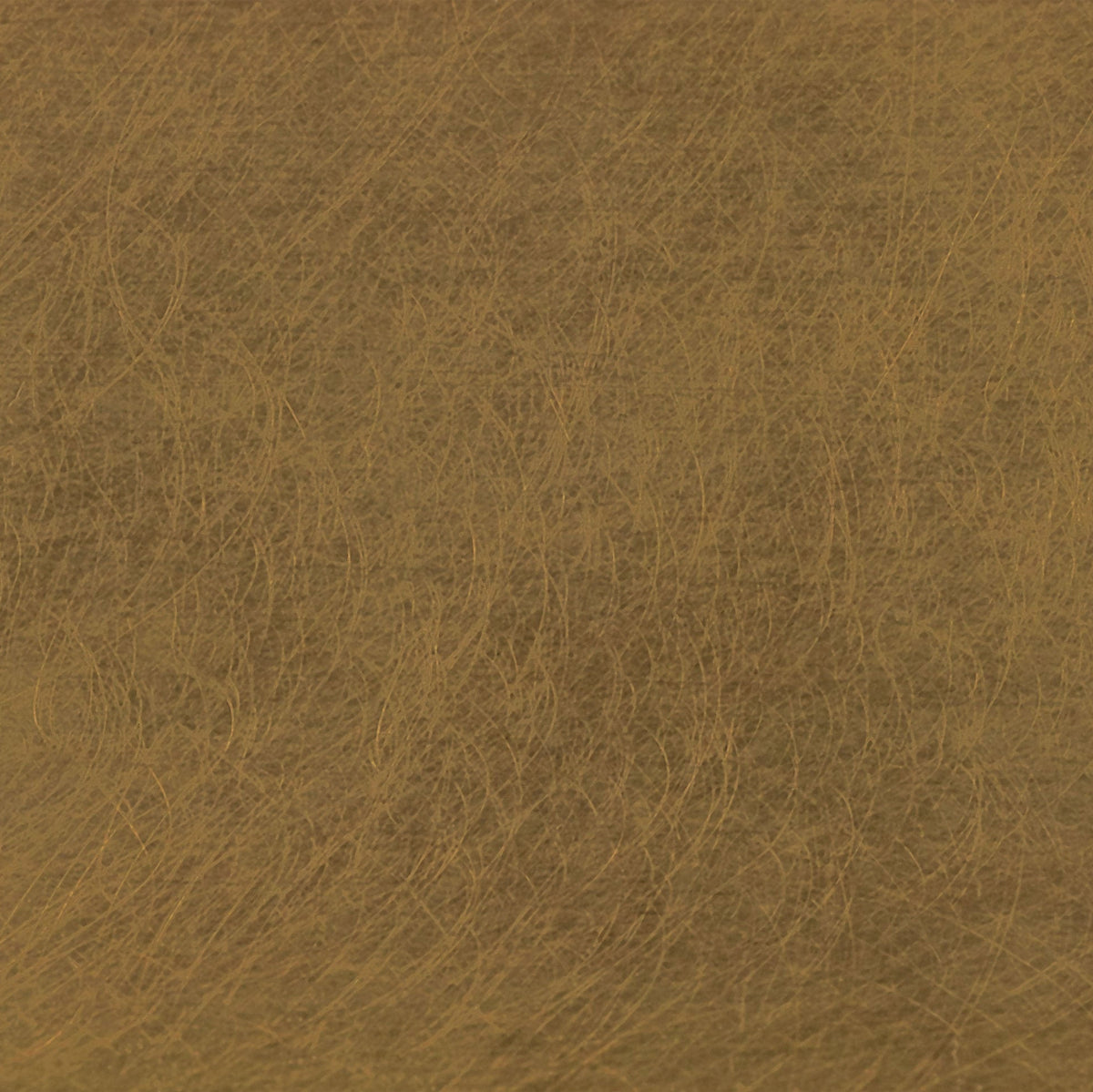 03
03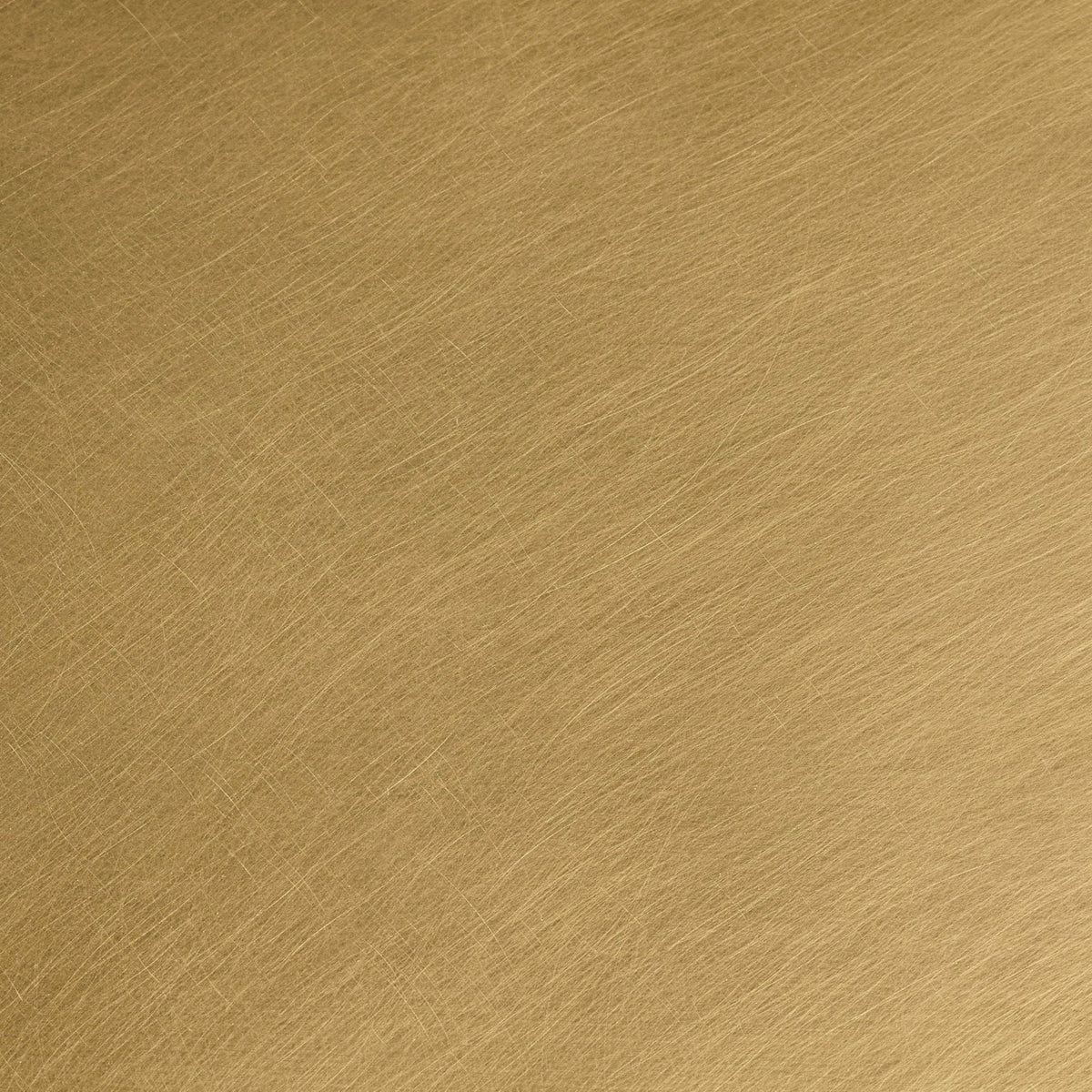 04
04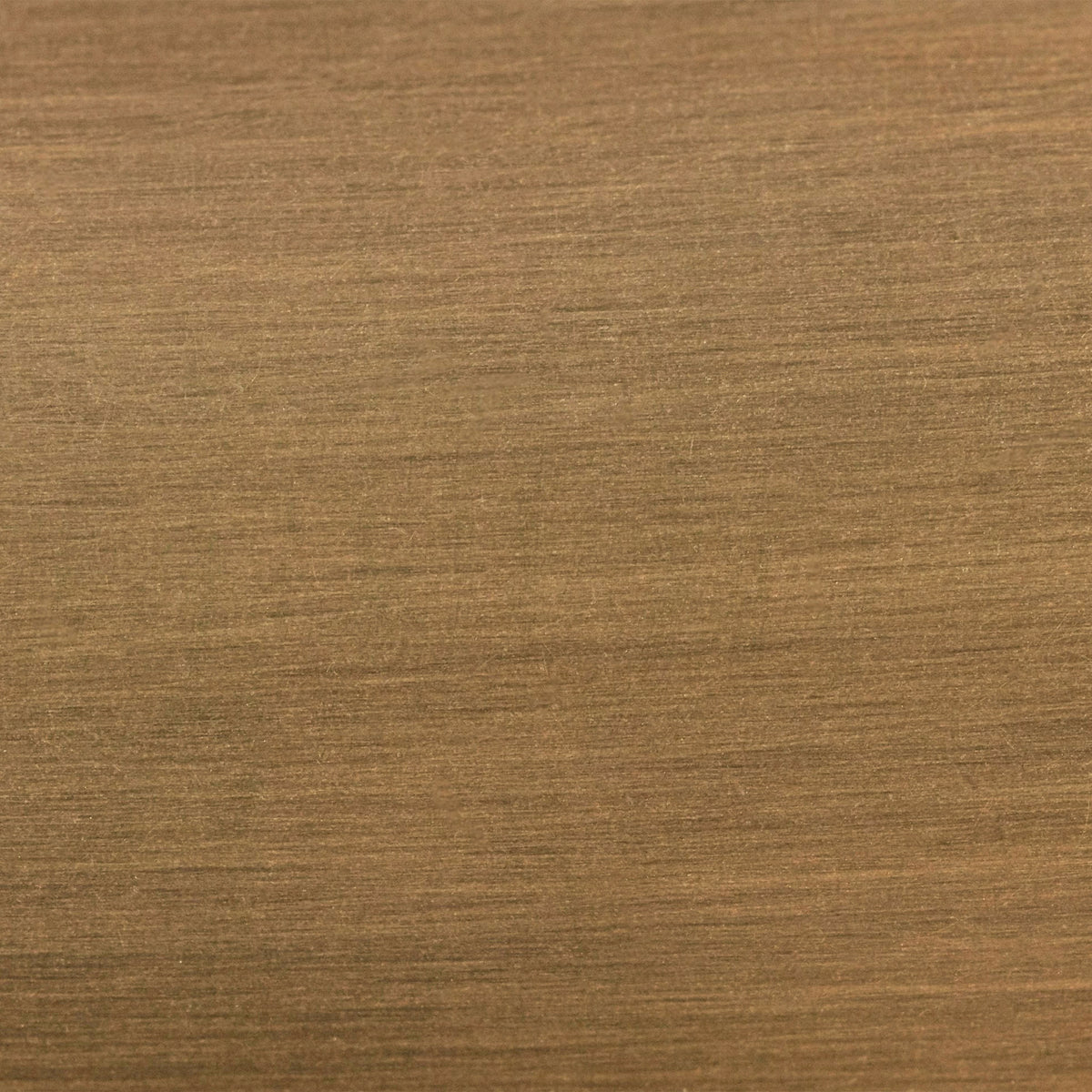 05
05 06
06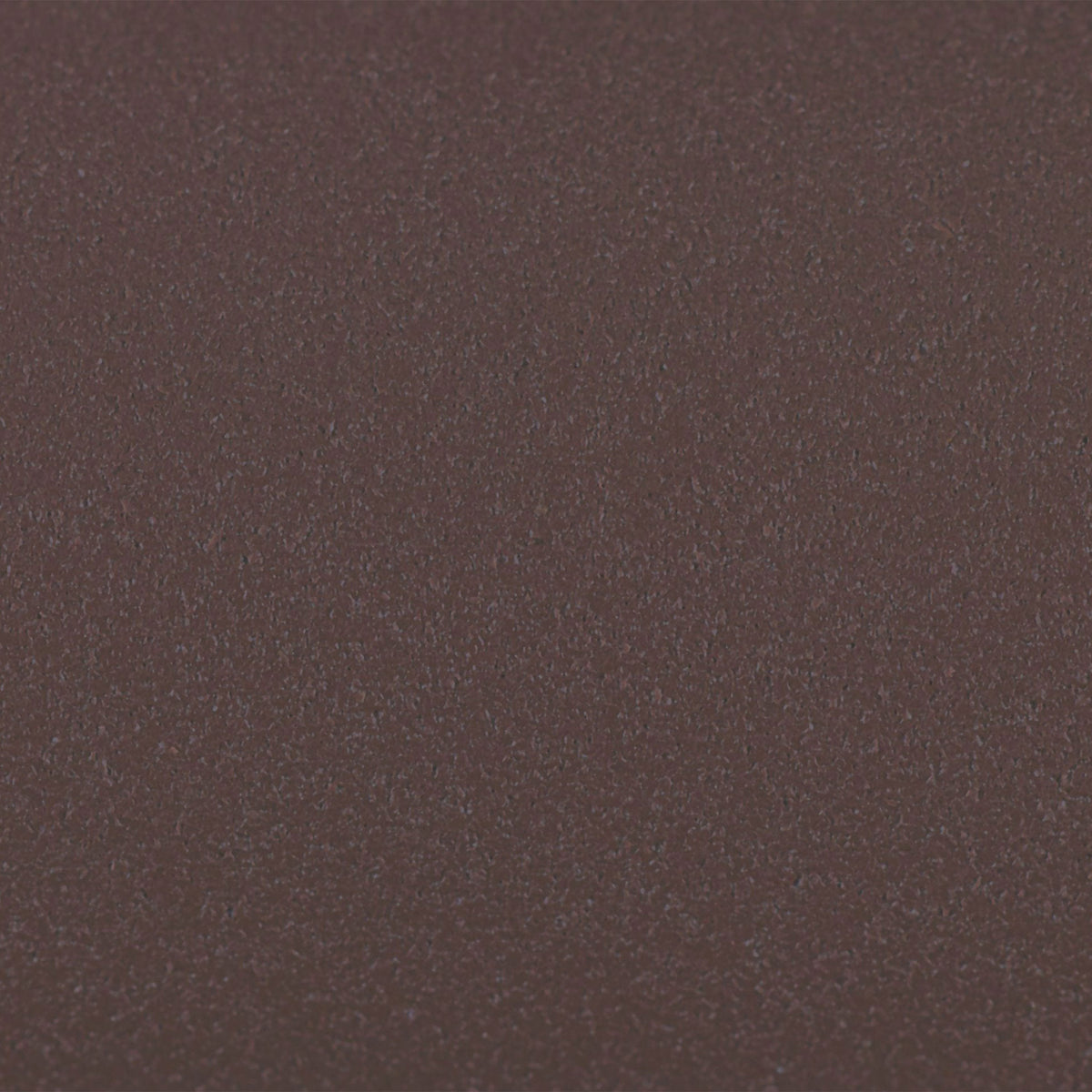 07
07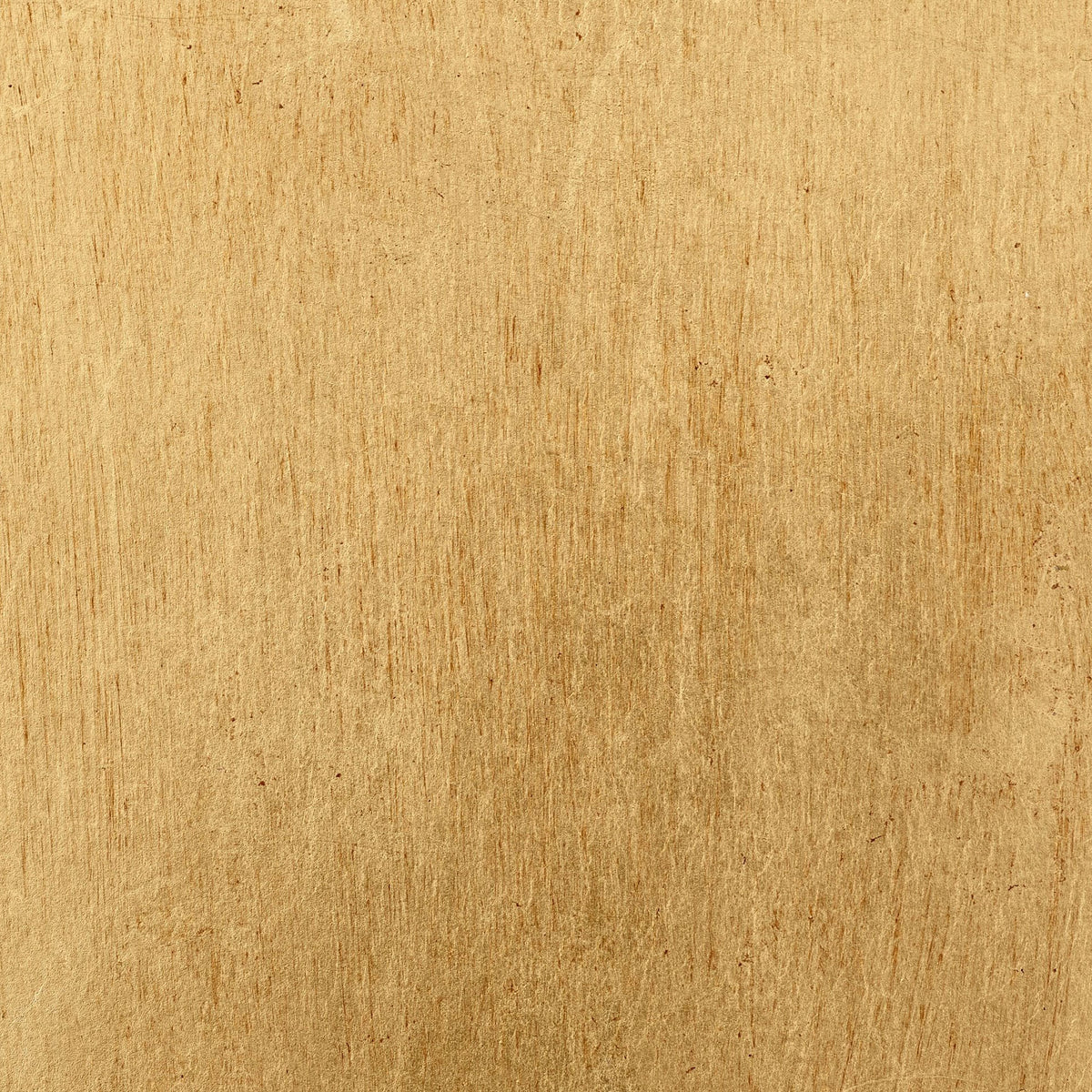 08
08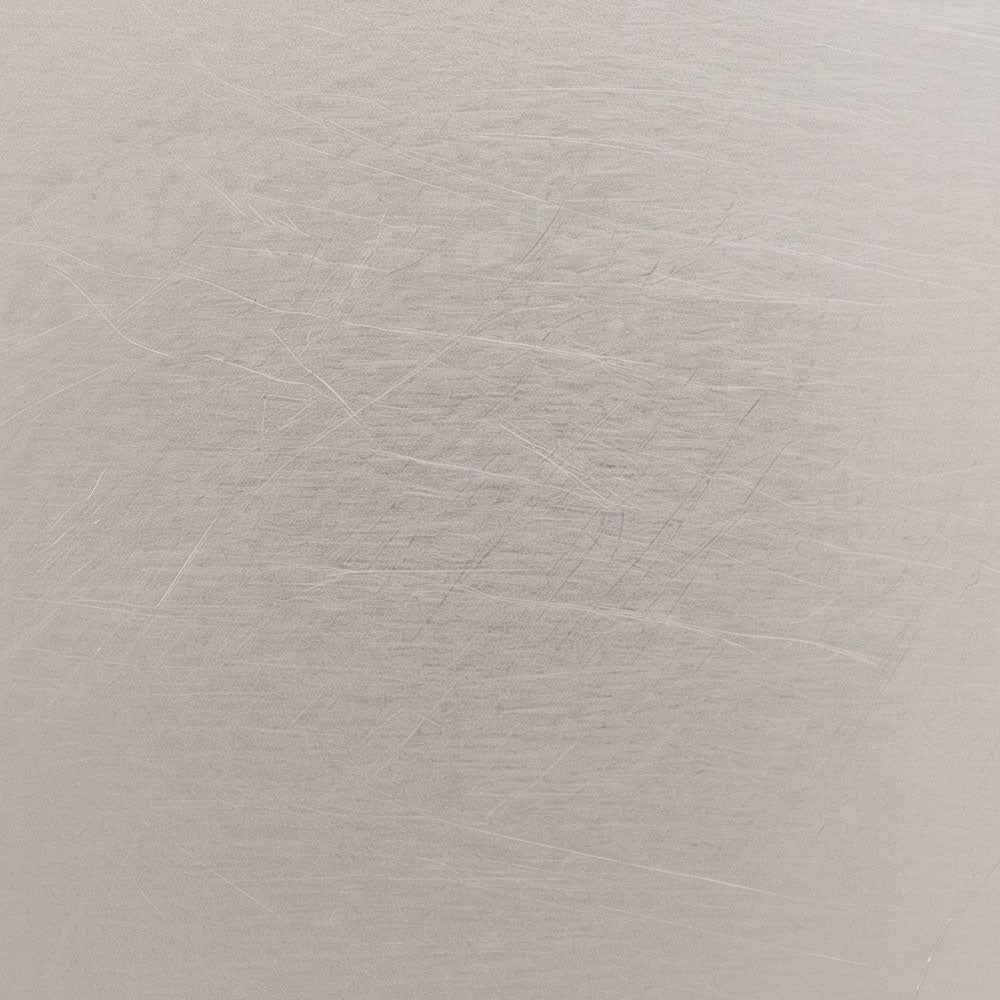 09
09 10
10 11
11 12
12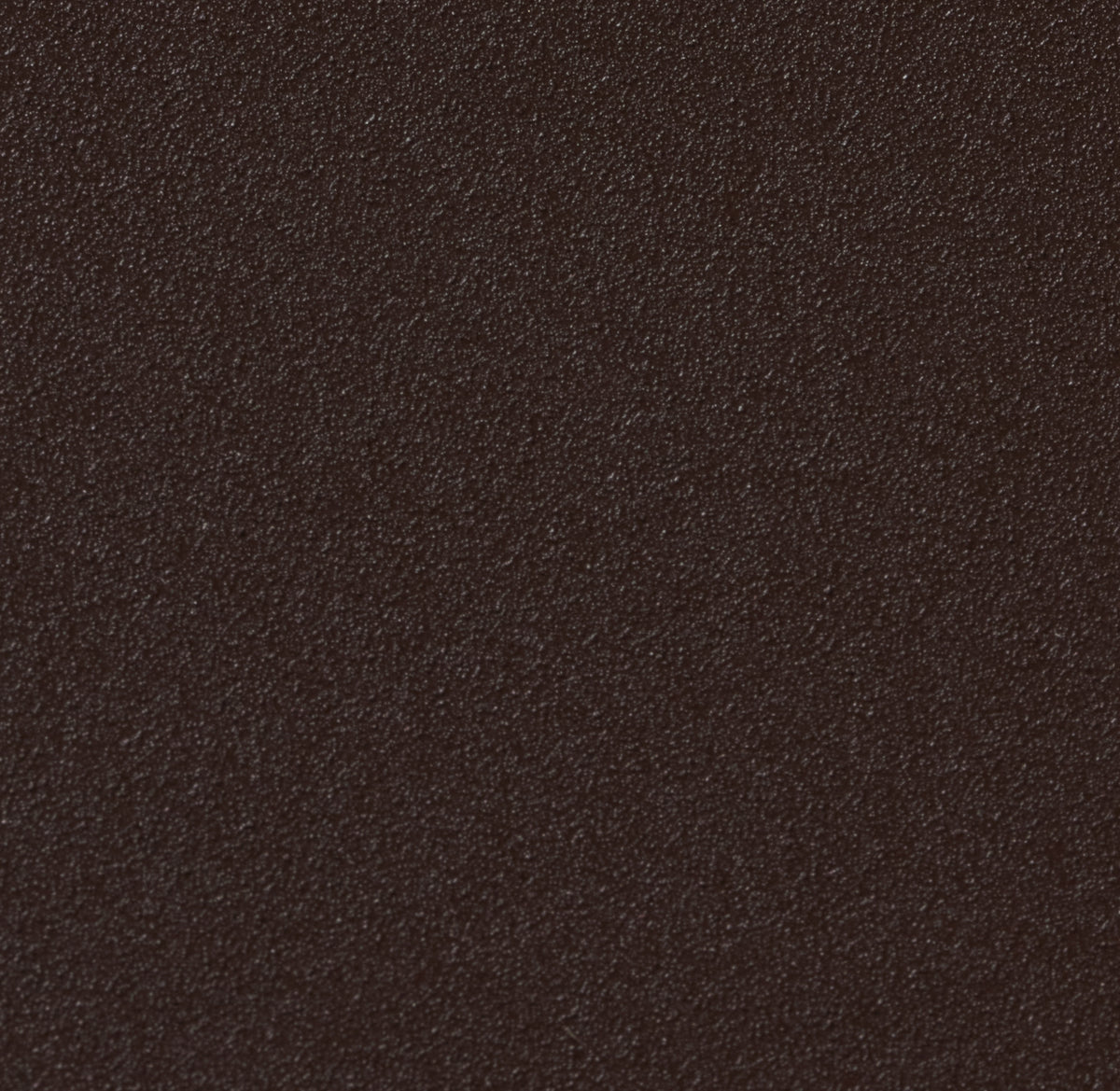 13
13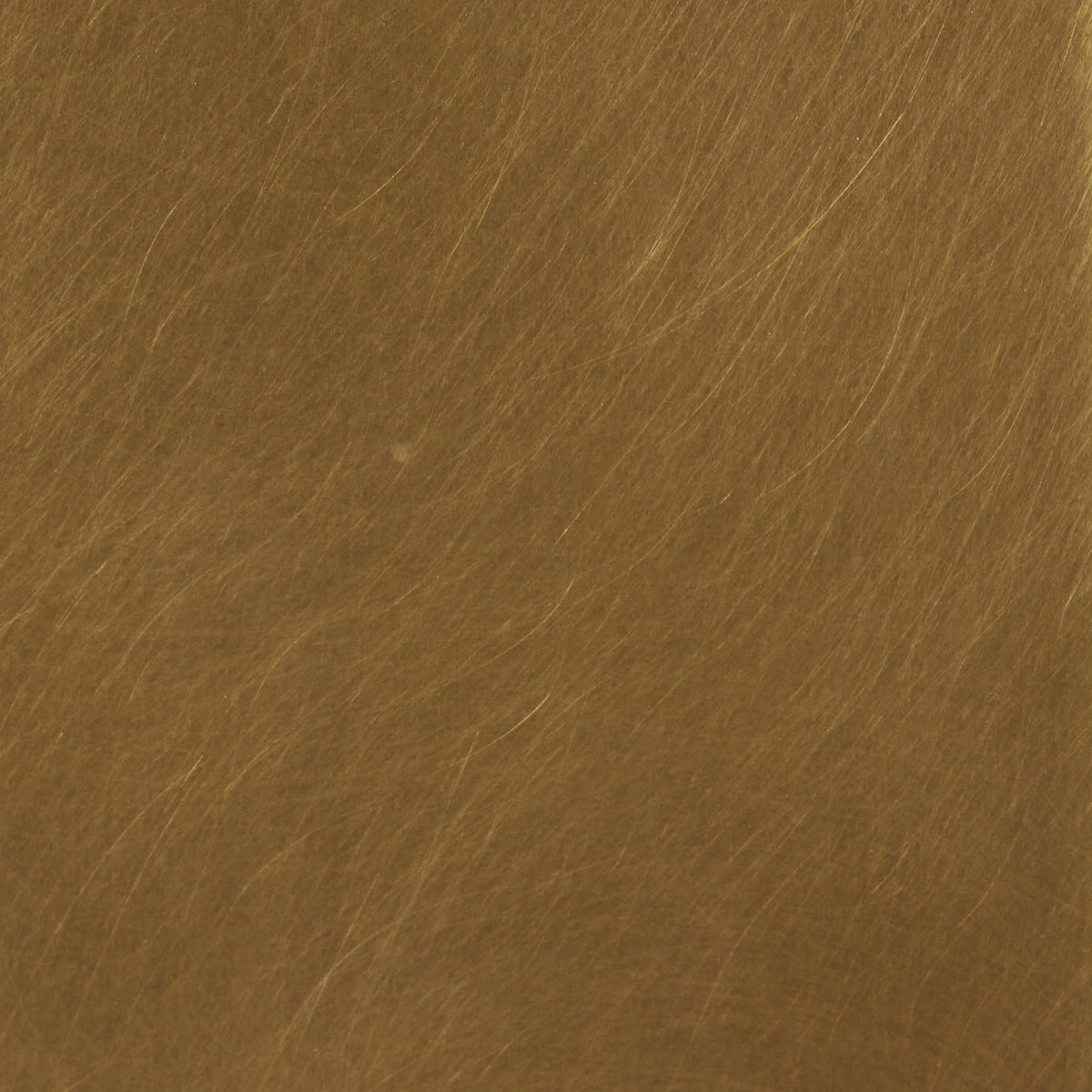 14
14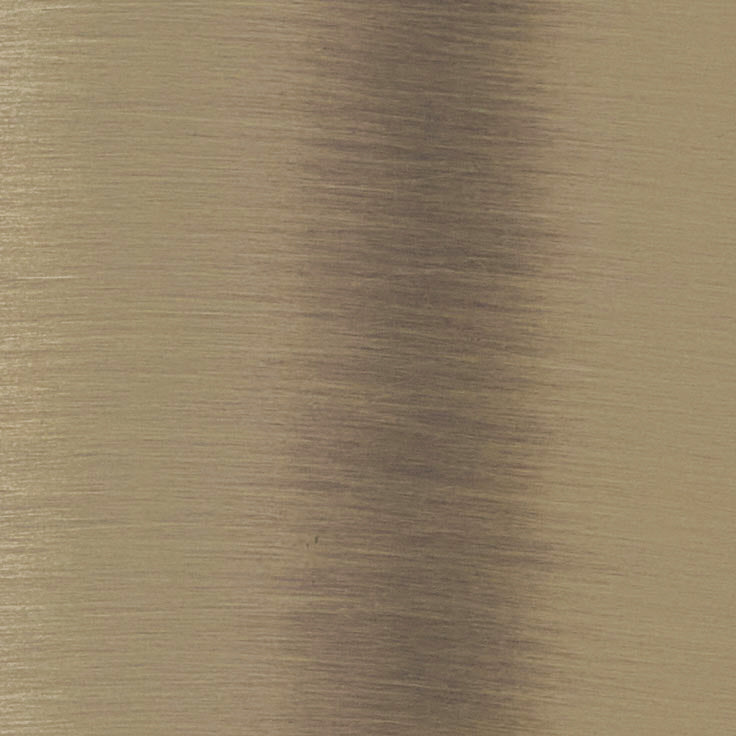 15
15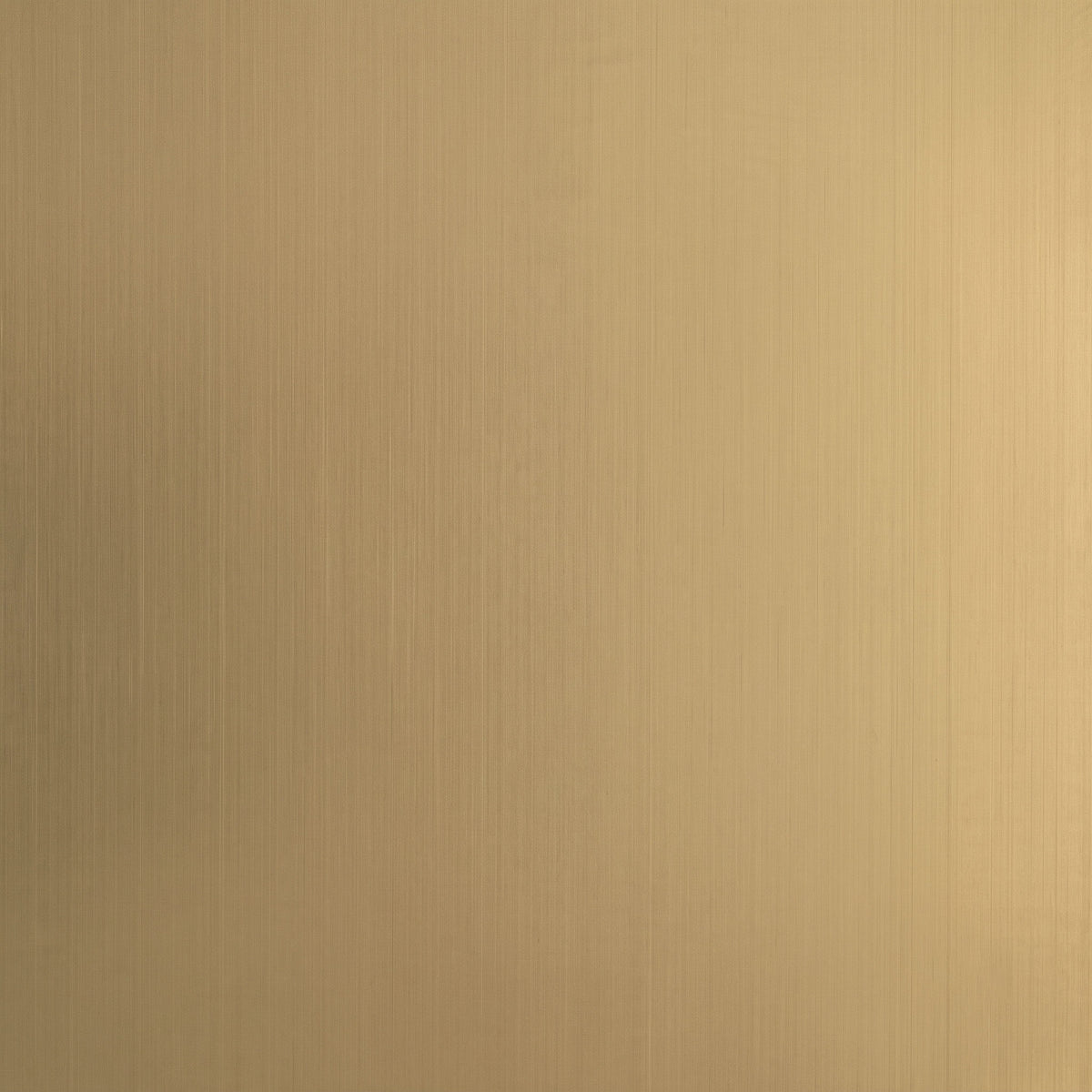 16
16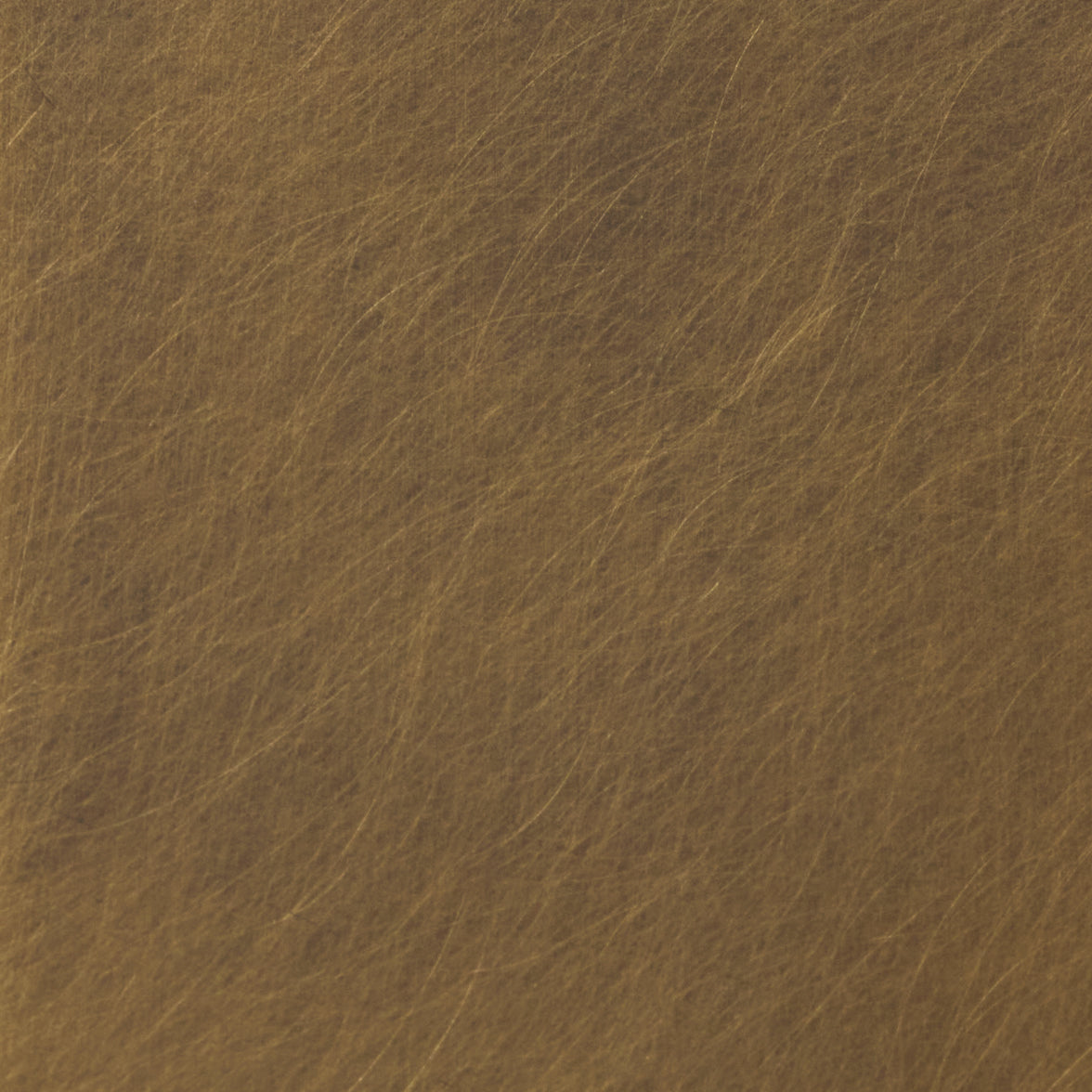 17
17
Afwerkingen 01–17 · messing, brons, ijzer, staal, nikkel, chroom, zwart · custom patina's op aanvraag aangevuld
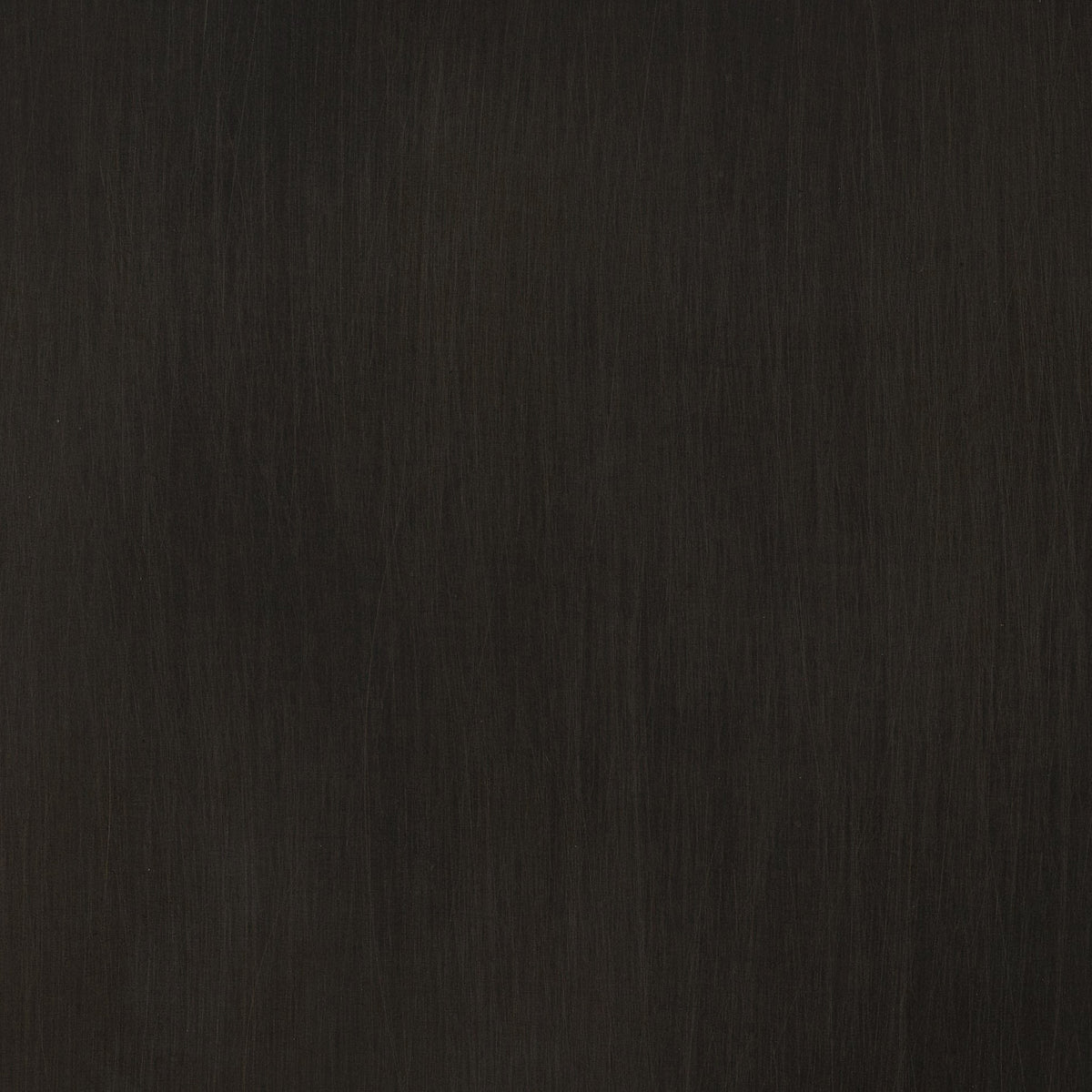
Bestel op nummer, niet op naam. "Antieke messing," "verweerde messing," "geborstelde messing" — vraag vijf ateliers wat dat betekent en je krijgt vijf verschillende metalen terug. Finish 04 is dezelfde fysieke referentie in onze studio, op de werkbank, en op je paklijst.
En omdat geen scherm metaal eerlijk weergeeft, sturen we de fysieke panelen voordat iets is vastgelegd. Houd ze tegen je kastkast en muurverf, op het moment dat je de ruimte werkelijk gebruikt — stuur dan het nummer op.
Kleur die groeit, niet wordt geschilderd.
Een messing afwerking is geen verflaag — het is een gecontroleerde chemische reactie op het oppervlak van het metaal zelf. Waar een gespoten lak bovenop zit en uiteindelijk afbladert, is een echte patina het messing dat reageert met zwavel, ammoniak of zuutzout totdat de oppervlakte-ionen van kleur veranderen. De tint die je ziet is het metaal, getransformeerd. Daarom verdiept een gepatineerde Radilum-armatuur met de tijd in plaats van af te bladeren — en waarom elk stuk met de hand wordt gekleurd, één tegelijk.
Zeven stadia, tien tot twaalf weken,
en niets bestaat voordat u kiest.
Een Radilum-armatuur wordt niet uit de schappen gehaald. Het wordt gereedschapt, gegoten, gepolijst, gepatineerd en verzegeld nadat u bestelt — daarom kan de afwerking alles zijn wat u wilt, en daarom duurt het hele proces twaalf weken in plaats van twee dagen.
Één projectspecialist begeleidt de opdracht van brief tot installatie. Er is geen overdracht tussen verkoop, ontwerp, productie en verzending; degene die uw eerste e-mail beantwoordt, is degene die u de polijstfoto's stuurt.
De vier stappen die u gefotografeerd zult zien
Stap drie tot en met zes gebeuren in het atelier, en elk ervan verschijnt als een foto met tijdstempel in uw inbox. Niet omdat foto's iets verkopen — twaalf weken is een lange tijd om een werkplaats aan de andere kant van de wereld te vertrouwen, en een foto is het enige dat bewijst dat wat we beschreven daadwerkelijk is gebeurd. Ze komen of u ze nu vraagt of niet.

Staal gesneden van uw tekening
De goedgekeurde render wordt een parametrisch model, dan een vijf-assig gereedschapspad, dan een stalen vorm die in onze eigen werkplaats wordt gesneden. Niets wordt hier uitbesteed — een tolerantie die in deze fase verloren gaat, kan later niet meer worden hersteld.

H65 — de patroonhuls-legering
65% koper, 35% zink: het messing dat voor het eerst werd gebruikt in militaire patronen omdat het schokken absorbeert zonder te breken. Elk gegoten stuk wordt gegloeid zodat het tien jaar later niet scheurt.

Kleur wordt gekweekt, niet gespoten
Eén technicus draagt uw armatuur door elke korrel, daarna het patinabad. De reactie wordt binnen seconden na het bereiken van de toon stilgelegd, en de hoogtepunten worden met de hand teruggeslepen. Hun handtekening is in de monteerplaat gegraveerd.

Meerlagige beschermlaag, getest voor 25 jaar
Drie lagen geïmporteerde Incralac — het conserveringslak dat musea gebruiken voor bronzen beeldhouwwerken. Versnelde verouderingstests voorspellen 25+ jaar zonder aanslag — of we slaan deze stap helemaal over, op aanvraag.
Het staal is de goedkoopste stap van de hele opdracht en de enige die een hermaking voorkomt — de afwerking is de enige variabele die niet kan worden gecorrigeerd nadat het armatuur is gebouwd.
Vijf archetypen — de werkende collectie.
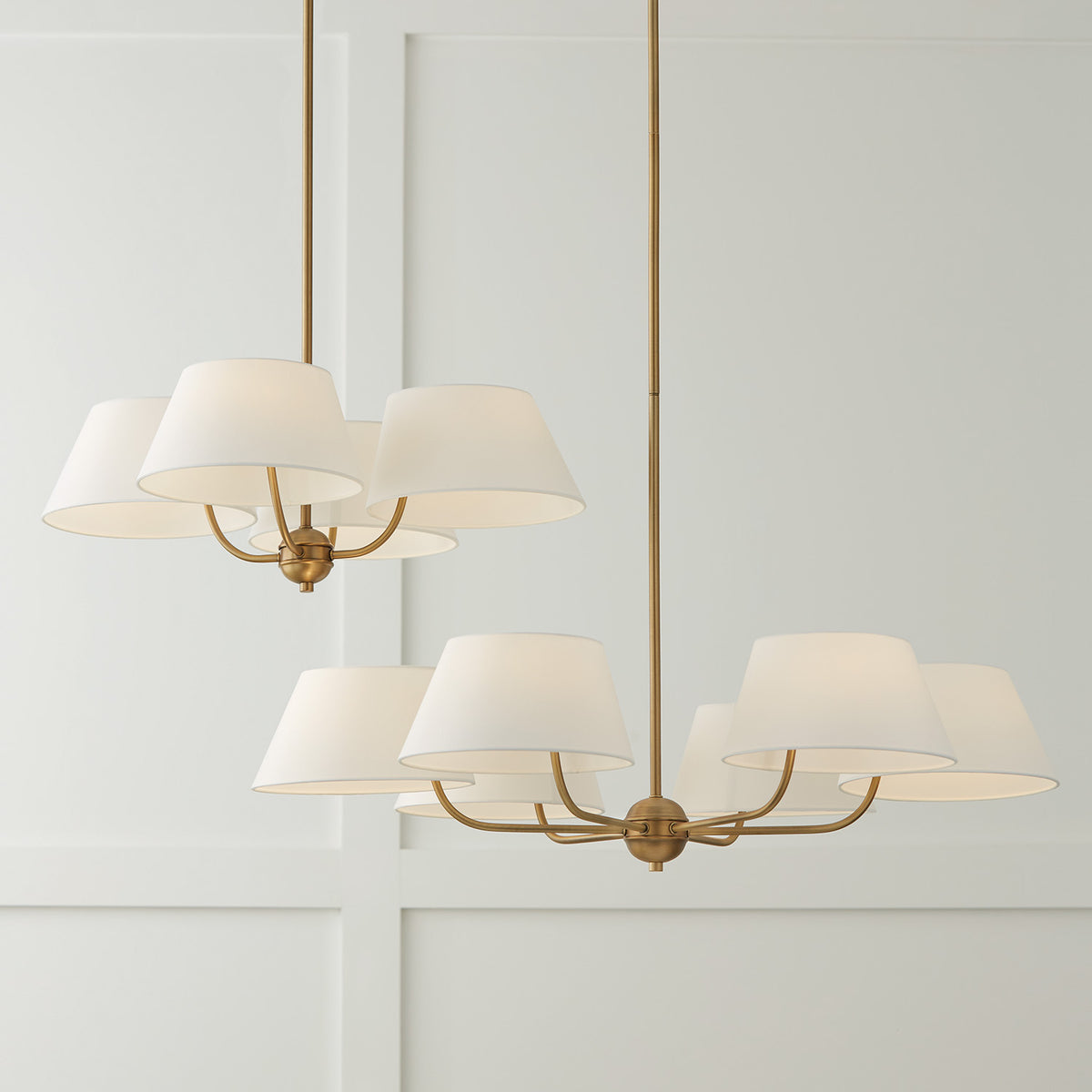
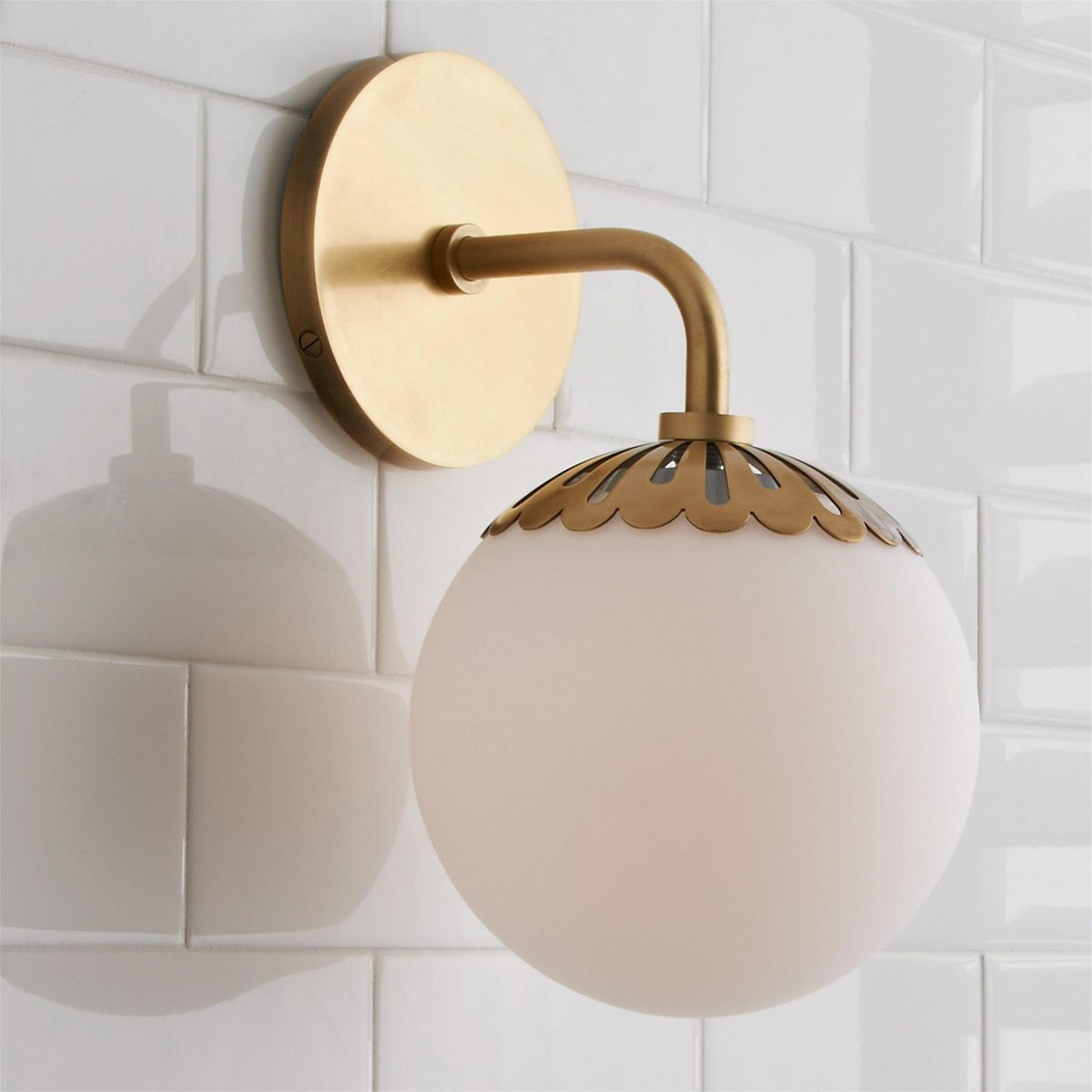
De meeste projecten beginnen met één van vijf standaardcategorieën. Elke categorie schaalt van intiem residentieel tot volledige hospitality-ruimtes; elke categorie accepteert alle zeventien afwerkingen; elke categorie wordt UL-gecertificeerd voor Noord-Amerika verzonden (CE/SAA op aanvraag beschikbaar).



Drie principes ontleend aan twee eeuwen
Amerikaans interieurontwerp.
De Radilum American Brass Collection wordt gevormd door drie tradities — Federal-stijl neoklassieke verhouding, de Arts & Crafts-beweging van het vroege 20e eeuw, en het mid-century industrial idioom. Het resultaat is een collectie die Amerikaans oogt — niet omdat deze is versierd met arenden en sterren, maar omdat het dezelfde terughoudendheid en structurele eerlijkheid draagt die deze drie tradities delen.

Terughoudendheid & Verhouding
Uit de Federal-stijl kasten: symmetrie, balans, terughoudendheid. Armen getrapt in gulden-snede-intervallen. Kastjes die zijn afgestemd op de kolom waarvan zij afkomen. Niets is decoratief ter wille van decoratie. De grandeur zit in de verhouding, niet in de ornamentiek.

Structureel Eerlijkheid
Uit het Arts & Crafts-vocabulaire: functie uitgedrukt, nooit verborgen. Timmerwerk is zichtbaar. Bevestigingsmiddelen zijn duidelijk en opzettelijk. De arm van een wandlamp is gevormd omdat hij een lamp moet ondersteunen — en die vorm is het ontwerp. Niets pretendeert iets anders te zijn dan wat het is.

Klassieke Katten
Uit de mid-century industrial: opaal melkglas, geribd glas, geweven linnen, geperforeerd metaalgaas. Elke kap heeft een woordenschat van honderd jaar achter zich. We passen de kap aan op de beoogde ruimte van de armatuur — niet op wat voor de fotograaf goed uit op sociale media.
Begin met een briefing, of een afwerkingsmonster.
Of u nu één nachtkastje-wandlamp nodig heeft of honderd identieke armaturen voor een hotelbouwproject — de eerste stap is dezelfde: stuur ons een e-mail. De projectspecialist die uw bericht leest, begeleidt u van briefing tot installatie. Elk e-mailbericht krijgt binnen 24 uur een persoonlijk antwoord.
Montagehoogtes voor wandlampen
De plaats waar het licht op de wand zit bepaalt of het als decoratie of als nuttig licht wordt waargenomen.
Groottetabel
| Maat |
| oppervlakte XS |
| Ruimte XS |
| Maat | DIA 2"-6" | DIA 6"-12" | DIA 12"-18" | DIA 20"-24" | DIA 24"-32" | DIA 32"-40" |
|---|---|---|---|---|---|---|
| oppervlakte | 32-54 FT | 54-107 FT | 107-161 FT | 161-215 FT | 215-269 FT | 269-378 FT |
| Ruimte | BADKAMER/GANG | EETKAMER | KEUKEN | SLAAPKAMER | WOONKAMER | COMMERCIEEL INTERIEUR |
* Afmetingen zijn in Amerikaanse inches.
Maak de ruimte compleet
Pieces that live well with the Darby
Uit dezelfde Glas-lijn — geselecteerd zodat de ruimte als één geheel leest.


I wanted something understated for our stair landing. It added just enough detail to a wall that used to look empty.
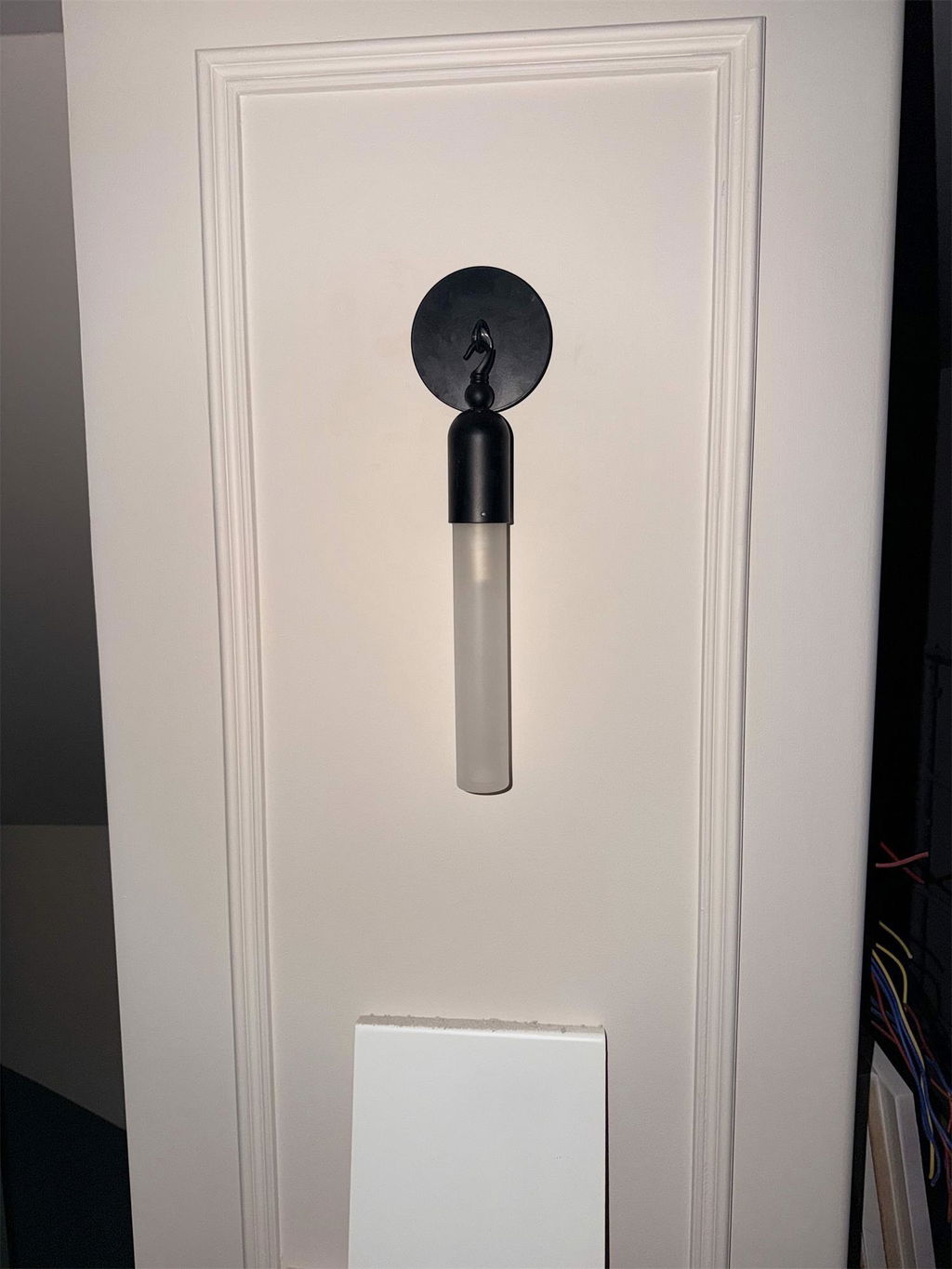
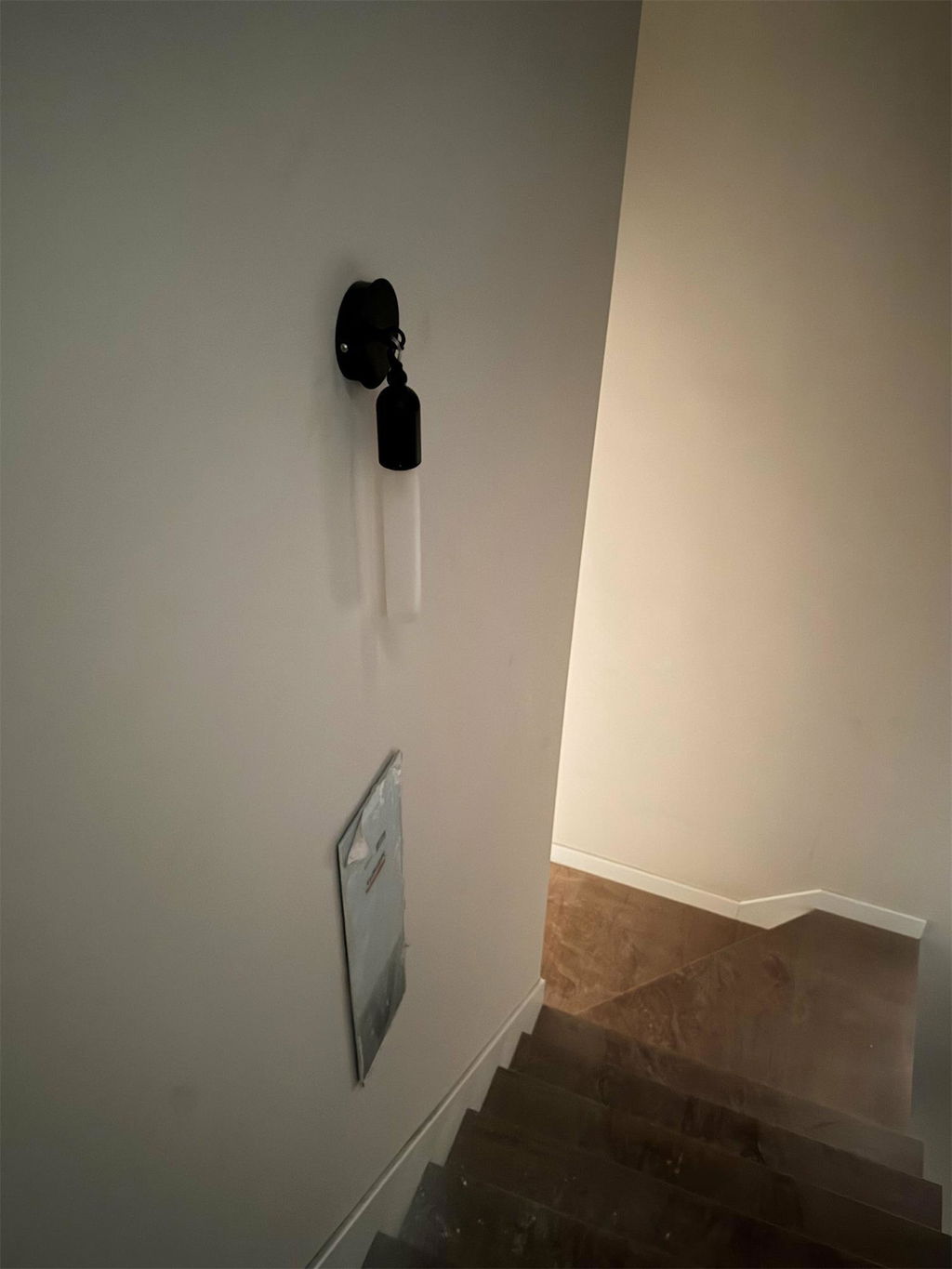
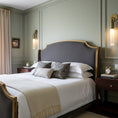
I’m very happy with this wall light. We put it next to our bed and it looks really nice. I would buy it again.
This light is simple and pretty. The glass shade looks great when it’s on. Very satisfied with it.
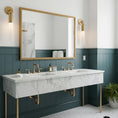
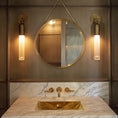
We installed two beside our bathroom mirror. They look clean and modern.
We put it in our hallway and it matches the room really well. I’m glad we chose this wall lamp.
Installation was straightforward, and it feels sturdy once mounted.
The light it emits is incredibly flattering, not too harsh, just the right ambiance for evenings.
The light is pleasant, though I expected it to be a bit brighter in my space.
The design is simple, but it has personality. It’s one of those pieces you notice without it being showy.
Light's really warm and soft, perfect for our bathroom.
Looks great, the brass and glass work well together.
Adds a quiet sophistication to my bedroom. I appreciate its subtle elegance.
Absolutely love the soft glow this fixture gives. It’s perfect for creating a warm, inviting atmosphere in my living room.
I love how the bulb is slightly visible it adds a touch of character without being distracting.
The light diffuses gently and evenly, avoiding harsh shadows.
Perfect over my kitchen island. It highlights the area without being overpowering.
Elegant and understated, yet it makes a real statement. It blends seamlessly with both modern and classic décor.
I placed it in my hallway and it completely transformed the space. The lighting feels natural and welcoming.
I’m impressed by the craftsmanship. The fixture feels solid and well-balanced while still looking delicate.
It looks elegant, but it’s smaller than I imagined. Best suited for compact areas.
The design is timeless. I feel confident this will still look great even if I redecorate in a few years.
It’s rare to find a fixture that feels both modern and classic at the same time. This one nails it.
It elevates the room without feeling pretentious. I love the understated charm.
These sconces are absolutely gorgeous! Perfect way to modernize my foyer, with a great warm light.
Beautiful lights that really make my bathroom stand out. So pretty would def recommend buying. They change the entire room.
These lights are beautiful and perfect for a bathroom, bedroom, etc. They are brighter than we actually need, but they are well-made and look great.
High-quality light fixtures. We can't wait to install them in our built-in cabinets. They feel sturdy, and the bulbs are included.
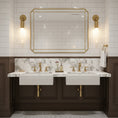
They look great mounted horizontally above the vanity mirror!
Very nice light fixtures! These are high-quality, with a beautiful brass finish and glass. We installed them in our master bathroom, and they look amazing.
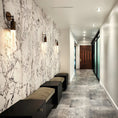
They look fantastic on the wall. We have a bench in front of them, and we are very happy with the product.
These lights are stylish, well-made, and add a touch of modern elegance to our bathroom. Easy to install, and the included bulbs provide a warm, inviting glow. Highly recommend for anyone looking to update their vanity.
Everything looks and feels very high-quality. These lights completely transformed our room, and we've received so many compliments.
Beautiful! They are so pretty and look lovely in this space.
I love them! Great quality, heavy, and easy to install. I would definitely buy them again.
Recent bekeken
Welkomstaanbod
Tien procent korting op je eerste bestelling
Voer de code in bij het afrekenen. Geldt voor de volledige bestelling, inclusief aangepaste afwerkingen.
Vakhandel & ontwerpers
Handelsprogramma
Nettoprijzen voor elke armatuur, steekproeven van afwerkingen, 3D-modellen op aanvraag en een toegewezen projectcontact — voor interior designers, architecten, horeca en projectontwikkelaars.
Aanvraag zakelijk account