



Radilum
ثريا Novida
شحن قياسي مجاني إلى الولايات المتحدة وكندا والاتحاد الأوروبي والمملكة المتحدة وأستراليا والإمارات العربية المتحدة
💡 استخدم رمز القسيمة RDSHN للاستمتاع بخصم 10%
يشتريها العملاء معاً بكثرة

 $1,385.00

ثريا كلاسيكية حديثة · نحاس · زجاج شفاف · 3–7 طبقات · E12 / E14
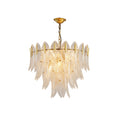
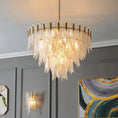
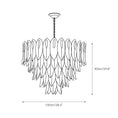
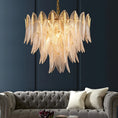
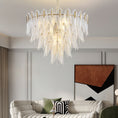
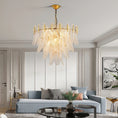
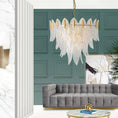
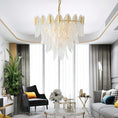
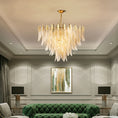
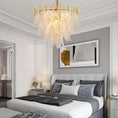
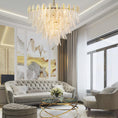
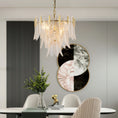
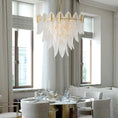
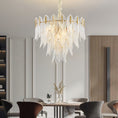
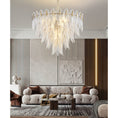
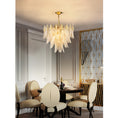
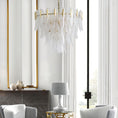
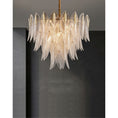
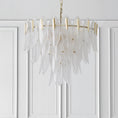
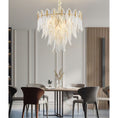
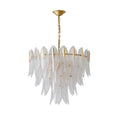
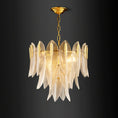
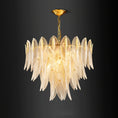
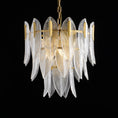
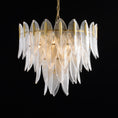
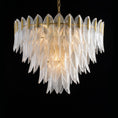
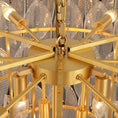
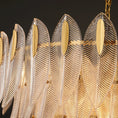
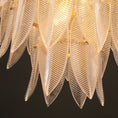
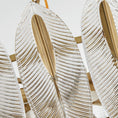
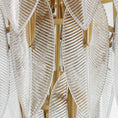
عدة طبقات من عناصر الزجاج الشفاف مرتبة على إطار نحاسي — كل طبقة أوسع تدريجيًا نحو الأسفل، والصورة الظلية الكلية تتبع هندسة المخروط المقلوب للثريا الأوروبية الكلاسيكية. تلتقط وتكسر مكونات الزجاج الضوء من مقابس الشمعة بداخلها: التركيبة تصدر وتشتت الضوء في نفس الوقت، مما ينتج عنه التسليط الضوئي المنشوري على الجدران والسقف المحيط الذي يميز الثريات ذات عناصر الزجاج. كما هو الحال مع الأصول الأصلية من القرن الثامن عشر، يكون التأثير واضحًا جدًا عندما تضاء التركيبة على خلفية محيطة أغمق.
خمسة تكوينات تتدرج من نسخة مدمجة بـ 3 طبقات و6 رؤوس (∅ 45 سم، ~15 كغ) إلى نسخة كبرى بـ 7 طبقات و27 رأس (∅ 120 سم، ~40 كغ). جميعها تشترك في نفس لغة المواد النحاسية والزجاج الشفاف وسلسلة معلقة بطول 40 سم. يعتبر الوزن اعتبارًا أساسيًا للتثبيت في جميع الأحجام — يجب تأكيد دعم السقف الهيكلي قبل طلب التكوينات الأكبر.
الإعداد — اختر عند السداد
جميع التكوينات: جسم نحاسي · زجاج شفاف · سلسلة معلقة بطول 40 سم / 15.7″. تأكد من تصنيف دعم السقف قبل الطلب. انظر إلى إرشادات الوزن أدناه الجدول.
| التكوين | القطر | الارتفاع | الوزن |
|---|---|---|---|
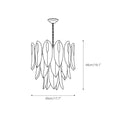
| 3 طبقات · 6 رؤوس | 45 سم∅ 17.7″ | 46 سم18.1″ | ~15 كغ 33.1 رطل |
| 4 طبقات · 9 رؤوس | 60 سم∅ 23.6″ | 54 سم21.3″ | ~21 كغ 46.3 رطل |
| 5 طبقات · 15 رأس | 80 سم∅ 31.5″ | 63 سم24.8″ | ~28 كغ 61.7 رطل ⚠ |
| 5 طبقات · 19 رأس | 100 سم∅ 39.4″ | 63 سم24.8″ | ~33 كغ 72.8 رطل ⚠ |
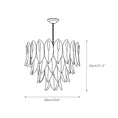
| 7 طبقات · 27 رأسًا | 120 سم∅ 47.2″ | 82 سم32.3″ | ~40 كغ 88.2 رطل ⚠⚠ |
حاسم: تأكد من القدرة الإنشائية للسقف قبل طلب أي تكوين.
• 3 طبقات (15 كغ) و4 طبقات (21 كغ): تركيب في صندوق تقاطع سقف مقيّم للأحمال بما لا يقل عن 30 كغ. قد لا يكون صندوق التقاطع السكني العادي كافيًا — تأكد من التقييم على صندوقك قبل التركيب.
• 5 طبقات بـ 15 رأسًا (28 كغ) و5 طبقات بـ 19 رأسًا (33 كغ): هذه الأوزان تتجاوز القدرة على معظم صناديق التقاطع العادية. يلزم مرساة سقف إنشائية مخصصة في جائز أو عتبة. استشر كهربائيًا مرخصًا لتقييم وتركيب الدعم المناسب قبل الطلب.
• 7 طبقات بـ 27 رأسًا (40 كغ): هذا جهاز إضاءة ثقيل جدًا. يجب على مهندس إنشائي أو كهربائي مرخص تقييم قدرة تحمل السقف وتركيب نقطة مرساة مخصصة مقيمة قبل طلب هذا الثريا. لا تقم بالتركيب في أسقف جبسية سكنية عادية بدون تقوية إنشائية.
المصابيح غير مضمنة. كل ذراع تستخدم مقبس شمعدان E12 (أمريكي) أو E14 (دولي) واحد. نوصي بـ مصابيح LED شمعدان بقوة 2–4 وات E12/E14 بطرف لهبي بدرجة حرارة لون 2700K بيضاء دافئة. اللون الأبيض الدافئ يكمل إطار النحاس ويفعّل التشتت المنشوري لعناصر الزجاج الصافي بشكل دافئ. مصابيح LED بخيوط زجاجية صافية تنتج أحدث انكسار زجاجي وهي الخيار الأكثر ملاءمة تاريخيًا لثريا الكلاسيكية الجديدة.
المواصفات
| SKU | RDC-155028 |
| التكوينات | 3T-6H · 4T-9H · 5T-15H · 5T-19H · 7T-27H |
| تشطيب الجسم | نحاسي (ثابت) |
| زجاج | عناصر زجاج صافي (ثابتة) |
| المواد | جسم مصباح نحاسي · عناصر ظل مصباح زجاجية صافية |
| سلسلة معلقة | 40 سم / 15.7″ (جميع التكوينات) |
| نطاق الوزن | ~15 كغ (3 طبقات) إلى ~40 كغ (7 طبقات) |
| القاعدة | E12 / E14 · المصابيح غير مضمنة · قابل للاستبدال من قبل المستخدم |
| الجهد | تيار متردد 110–240 فولت · عالمي |
| التركيب | معلق بسلسلة معلقة · يلزم دعم سقف مقيّم للأحمال · انظر جدول الأوزان |
| الأنسب لـ | غرف الطعام الرسمية · دهاليز مزدوجة الارتفاع · غرف معيشة فخمة · الديكورات الكلاسيكية الجديدة والتقليدية والمتطرفة |
الملفات
الأسئلة الشائعة
أي تكوين مناسب لغرفتي؟ +
طابق القطر بحجم الغرفة والطاولة — الإرشاد الكلاسيكي هو قطر الثريا (بالسنتيمتر) = عرض الغرفة (بالمتر) × 10. لذا فإن غرفة بحجم 4 × 5 م تناسبها جهاز إضاءة بقطر ∅ 40–50 سم (3 طبقات 6 رؤوس). غرفة طعام 5 × 6 م تناسبها ∅ 60–80 سم (4 طبقات أو 5 طبقات بـ 15 رأسًا). إصدارات ∅ 100–120 سم للغرف الرسمية الفخمة فوق 6 × 6 م والدهاليز مزدوجة الارتفاع والقاعات الفخمة. ارتفاع السقف يهم بالتساوي: أضف السلسلة (40 سم) وارتفاع الجهاز، ثم تأكد من أن أسفل الثريا سيتدلى 75–90 سم فوق سطح طاولة الطعام، أو 200–210 سم فوق أرضية واضحة في المدخل.
لماذا الوزن مهم جدًا وكيف أتحضر؟ +
صندوق تقاطع السقف السكني العادي مقيّم عادة بـ 23–35 كغ — كاف بالكاد للتكوينات متوسطة المدى. نسخة 7 طبقات بـ 40 كغ تتجاوز هذا تماما. عاقبة عدم كفاية الدعم هي فشل الجهاز الكارثي — يمكن للثريا أن تنفك وتسقط. قبل طلب أي نسخة أعلى من 20 كغ، استشر كهربائيًا مرخصًا لفحص هيكل السقف وتأكيد أو ترقية تقييم صندوق التقاطع وإذا لزم الأمر تركيب مرساة مسمار مخصصة في جائز أو سقف خرساني. تكلفة التقييم الإنشائي الصحيح صغيرة نسبة إلى قيمة الثريا وخطر السلامة.
أي مصباح يعطي أفضل تأثير زجاجي منشوري؟ +
مصباح LED شمعدان بخيط زجاج صافي E12/E14 بدرجة حرارة لون 2700K بيضاء دافئة ينتج أحدث انكسار من خلال عناصر الزجاج الصافي — الضوء بنقطة مصدر مرئية للخيط ينكسر بدقة من خلال كل سطح زجاجي، مما يخلق نقاط ضوء منشورية محددة على الجدران والسقف. هذا الخيار الأكثر أصالة تاريخية لثريا الكلاسيكية الجديدة. المصباح المصقول يقلل التأثير المنشوري إلى تشتت أكثر نعومة ودقة. كلاهما ينتج إضاءة بيضاء دافئة؛ تجنب المصابيح البيضاء الباردة (4000K+) التي تنتج جودة قاسية غير متناسقة مع الجمالية الكلاسيكية.
هل يمكن خفض إضاءته؟ +
نعم، عند التزويد بمصابيح LED شمعدان E12/E14 قابلة للتعتيم وسويتش معتم جدار متوافق من نوع TRIAC (كلاهما يُباع بشكل منفصل). تأكد من أن المعتّم مقيّم لأحمال LED وحجمه مناسب للقوة الكلية لجميع المصابيح في الجهاز (اضرب قوة المصباح × عدد الرؤوس). تعتيم الثريا الزجاجية إلى 40–60% عادة ينتج أفضل نتيجة جوية — سطوع المصدر المنخفض يجعل التشتت المنشوري أكثر ظهورًا وفي ضد الخلفية المحيطة الأغمق، بدلاً من التنافس معها.
التنزيلات
Dimension drawings 3


هل تحتاج ملف ثلاثي الأبعاد أو مستند آخر؟ اسأل مصمماً — إنه مجاني؛ يتم رسم ملفات ثلاثية الأبعاد لمشروعك، لذا تفضل بقليل من الوقت.
الأسئلة الشائعة
ما هي الأبعاد الدقيقة لثريا Novida؟
خمس أحجام متاحة: 3 طبقات قطر 45 سم × 46 سم ارتفاع (17.7″ × 18.1″)؛ 4 طبقات قطر 60 سم × 54 سم ارتفاع (23.6″ × 21.3″)؛ 5 طبقات قطر 80 سم × 63 سم ارتفاع (31.5″ × 24.8″)؛ 5 طبقات قطر 100 سم × 63 سم ارتفاع (39.4″ × 24.8″)؛ 7 طبقات قطر 120 سم × 82 سم ارتفاع (47.2″ × 32.3″).
ما هي المواد المصنوعة منها ثريا Novida؟
جسم من النحاس الأصفر مع عناصر زجاجية شفافة. تتميز جميع التكوينات بنفس لغة النحاس الأصفر والزجاج الشفاف.
ما أسلوب ثريا نوفيدا؟
أسلوب ساحلي ومعاصر مع شكل كلاسيكي جديد. يتم ترتيب عناصر الزجاج الشفافة على إطار من النحاس الأصفر في هندسة مخروطية معكوسة.
ما الغرف المناسبة لثريا نوفيدا؟
مصممة لغرف المعيشة وغرف الطعام. تناسب الإصدارات الأصغر 3-tier و4-tier الغرف القياسية، بينما تناسب نسخ 5-tier و7-tier بشكل أفضل غرف الطعام الرسمية والممرات المزدوجة الارتفاع وغرف المعيشة الفسيحة.
كيف يتم تثبيت ثريا نوفيدا؟
سلسلة معلقة مثبتة بشكل دائم مع سلسلة معلقة بطول 40 سم (15.7″). جميع الأحجام تتطلب دعم سقف مقيم بالحمل. تحتاج الأحجام الأصغر (3-tier حوالي 15 كغ، 4-tier حوالي 21 كغ) إلى صندوق تقاطع مقيم بما لا يقل عن 30 كغ؛ تتطلب الأحجام الأكبر تثبيتاً هيكلياً في الروافد أو الجسور بواسطة كهربائي مرخص.
ما وزن كل حجم من ثريا نوفيدا؟
3-tier يزن حوالي 15 كغ (33.1 رطل)؛ 4-tier حوالي 21 كغ (46.3 رطل)؛ 5-tier 15-head حوالي 28 كغ (61.7 رطل)؛ 5-tier 19-head حوالي 33 كغ (72.8 رطل)؛ 7-tier حوالي 40 كغ (88.2 رطل). تأكد من دعم السقف الهيكلي قبل الطلب.
لا تزال غير متأكد؟ اطرح سؤالاً — سيتم الإجابة خلال يوم عمل واحد.

- تصميم فريد الشكل
- مصنوع بمسؤولية
- مادة عالية الجودة
- مختبر من حيث المتانة
العناية
العناية
- امسحها بقطعة قماش ناعمة وجافة.
- لحماية الطلاء، لا ننصح باستخدام منظفات منزلية أو مواد كاشطة.
- لا تتجاوز قوة الواط المحددة.
سياسة الشحن والإرجاع
سياسة الشحن والإرجاع
استمتع بشحن قياسي مجاني على كل طلب، مؤمّن ومتتبع حتى باب منزلك. يمكن إرجاع العناصر المؤهلة خلال 30 أيام من الاستلام. العناصر المصنوعة حسب الطلب غير مؤهلة للإرجاع.
في ورشتنا
مصنوع حسب الطلب، مرسل مؤمن عليه
كل تركيبة يتم صنعها عند طلبها — عادةً 1–3 أسابيع في ورشتنا، قليلاً أطول للزجاج المنفوخ يدويًا والقطع الكبيرة. ثم يتم شحنها بتأمين بحري، مع التعامل مع الجمارك من جانبنا، مع التتبع إلى باب منزلك: تصل معظم الطلبات في غضون 5–7 أسابيع بعد الطلب. هل تحتاج إليها أسرع؟ النقل الجوي السريع يستغرق 2–4 أسابيع في المجموع، مع السعر في الدفع.
اصْنَعْتَ طَرِيقَك
لا شيء هنا ثابت
غيّر التشطيب أو اللون أو الحجر أو الحجم — أو أرسل لنا شكلاً.
خدمات التصميم
خطط إضاءة منزلية شاملة مجانية
أرسل مخططات الأرضيات أو الصور؛ سيقدم مصمم Radilum خطة غرفة تلو الأخرى مع نوع التركيبة والحجم وارتفاع التثبيت — عادة في غضون يومي عمل.

شحن مجاني
شحن قياسي مجاني، مؤمّن وموثوق حتى باب منزلك.

شهادة أمريكا الشمالية
نظرة عامة على شهادة أمريكا الشمالية

الدفع الآمن
دفع آمن باستخدام بطاقات ائتمان متعددة.


قصة الزجاج
مصاغة بالأيدي، مُبردة ببطء
يتم تجميع ظللنا الزجاجية من الفرن وتُنفخ أو تُضغط بواسطة الأيدي الماهرة، ثم تُلدّن ببطء لضمان توزيع لوني متساوٍ وقوة هيكلية دائمة. الفقاعات الصغيرة والاختلافات الطفيفة بين القطع ليست عيوباً — إنها دليل على أن يداً حرفية صنعتها.
تحديد حجم الثريا
أضف طول الغرفة وعرضها بالأقدام — هذا الرقم بالبوصات هو قطر مريح. ثم تحقق من أن السقف يتحمل الوزن.
أكمل الغرفة
القطع التي تتناسب جيدًا مع the ثريا
من نفس خط [المجموعة] — اختيرت بعناية لتوحيد مظهر الغرفة.


Beautiful light!! Looks very expensive and well made! Great for a vintage or Victorian vibe.
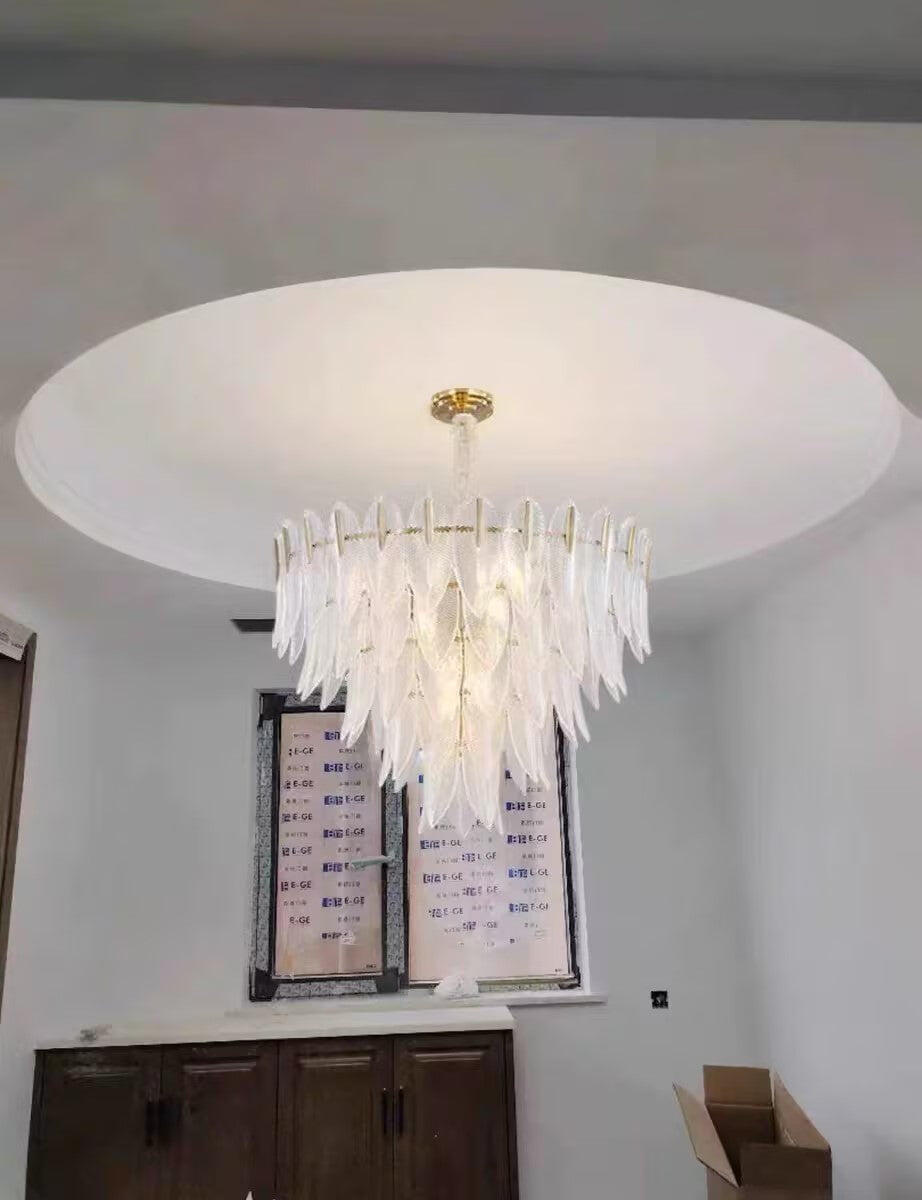
Really beautiful and vintage looking chandelier. Actually looks better in person than in the photos.
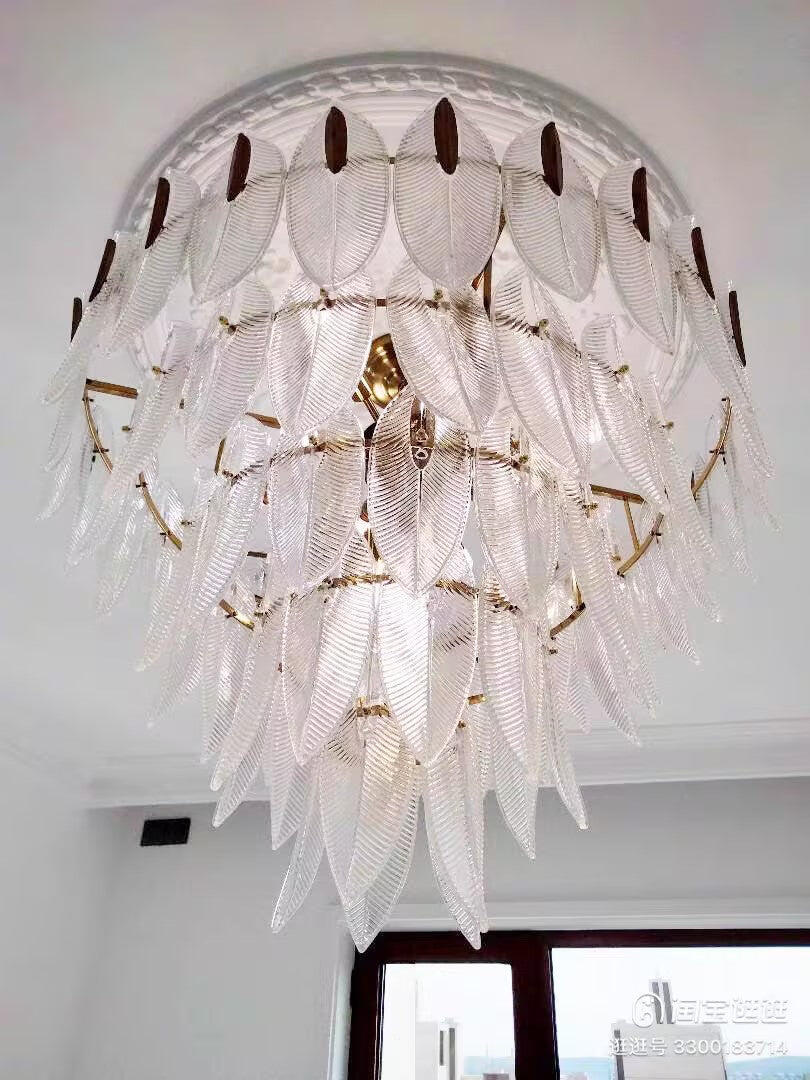
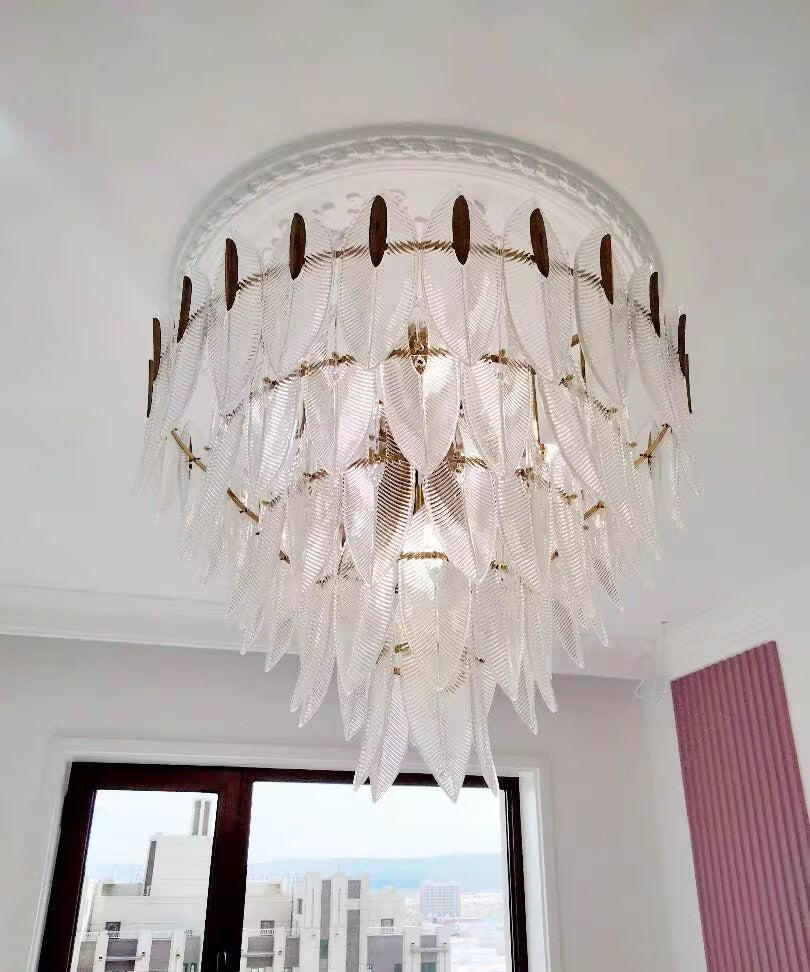
It is absolutely stunning. I ordered this after seeing it in a friends house. I am so happy with it.
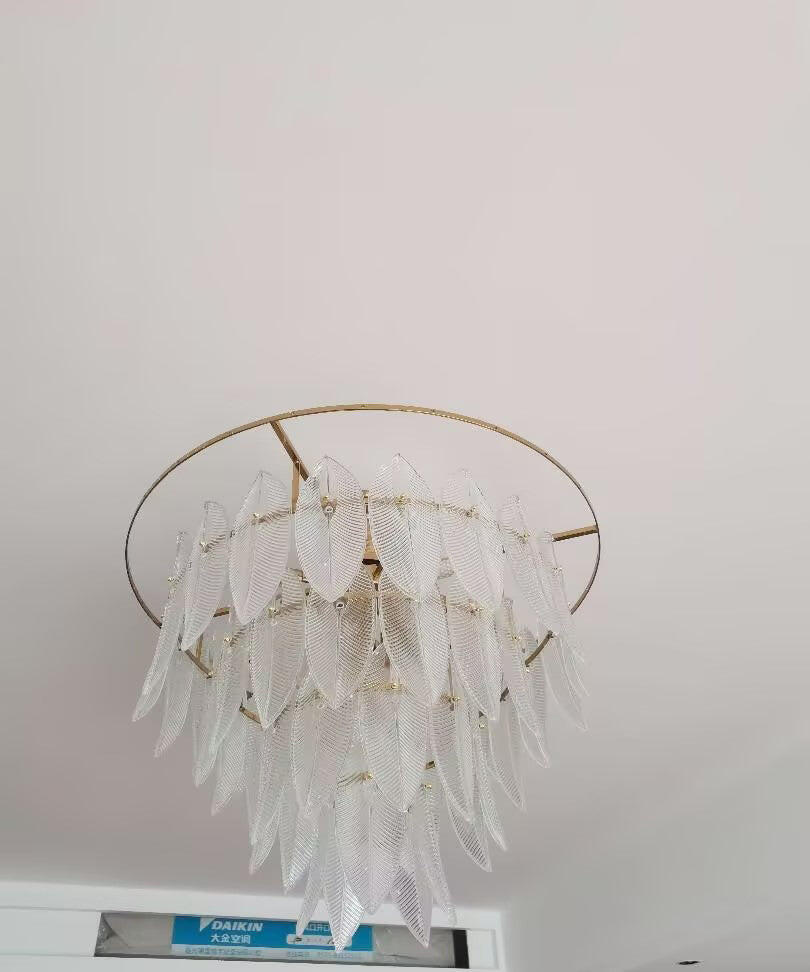
Great for a breakfast nook. It provides a bright, cheery light that is perfect for starting the day.
The slim, elegant lines of the brass arms are very pleasing to the eye. It adds a refined touch to the ceiling.
The glass was packaged extremely well with plenty of foam. It arrived in perfect condition without a single crack.
We put this in our master bedroom. It provides a soft, ambient light that is very relaxing in the evening.
The metal structure is very rigid. After months of use, the brass still looks brand new with zero tarnishing.
The light output is consistent and even. The glass doesn't create any strange shadows or glares on the table.
Worth every penny. The combination of real brass and glass makes our home feel much more high-end.
The size of the glass shade is perfectly balanced with the brass stem. The proportions look very professional.
Perfect for our entryway. Its the first thing people see when they walk in and we always get compliments.
There are no bubbles or imperfections in the glass globes. Its clear that high standards of quality control were used.
I am absolutely obsessed with the warm golden tone of the brass. It looks stunning both day and night.
Installation was a breeze. The mounting plate is sturdy and the adjustable chain made it easy to get the height right.
The glass allows for 360-degree illumination. It brightens up our dining room far better than our old shaded lamp.
We hung these over our kitchen. They provide a clean, bright light that is perfect for prep work.
The brushed finish on the brass is very consistent. No scratches or discoloration anywhere on the metal parts.
The glass shade is incredibly clear and thick. It adds a layer of sophistication to the entire fixture.
The solid brass body is substantial and has a very expensive weight to it. Its definitely not a cheap plated metal.
Looks vintage! This lights looks like it is original to the home. Stunning!
Very vintage and art deco! After a long search for a unique piece, this one came up and will hopefully be a forever piece!
I Havent had them installed yet but they look beautiful and are priced very well. Will update.
I love it. Easy to assemble and very elegant looking. Had a hard time fining the E14 light bulbs in my local hardware stores so needed up ordering them online.
Great light exactly as pictured very elegant has allot of pieces but worth it! I love the fact that you can adjust the height.
Absolutely love this. It looks just like it does in pictures.
Was simple to assemble with limited instructions. My husband installed it and said that he had little room to work with the wires between the top and the ceiling. The chain used would not allow the top finished part to slide down enough to work with the wires, he was still able to install, just a minor challenge for installing. Real glass and nice weight to make this feel and look expensive.
I absolutely love it! It adds such elegance and charm to my old Victorian home words cannot express how happy I am! Its the first thing people are drawn to when they walk in that room!
How much does the 31.5 inch chandelier weigh?
15 heads, weighing approximately 28 KG
مشاهدة مؤخراً
عرض الترحيب
عشرة بالمئة خصم على طلبك الأول
أدخل الرمز عند الدفع. ينطبق على الطلب كاملًا، بما فيه التشطيبات المخصصة.
التجارة والمصممون
برنامج التجارة
تسعير صافي على كل تركيبة، عينات التشطيبات، نماذج ثلاثية الأبعاد عند الطلب وجهة اتصال مخصصة للمشروع — لمصممي الديكور والمعماريين والضيافة والمطورين.
تقديم طلب حساب تجاري