



Radilum
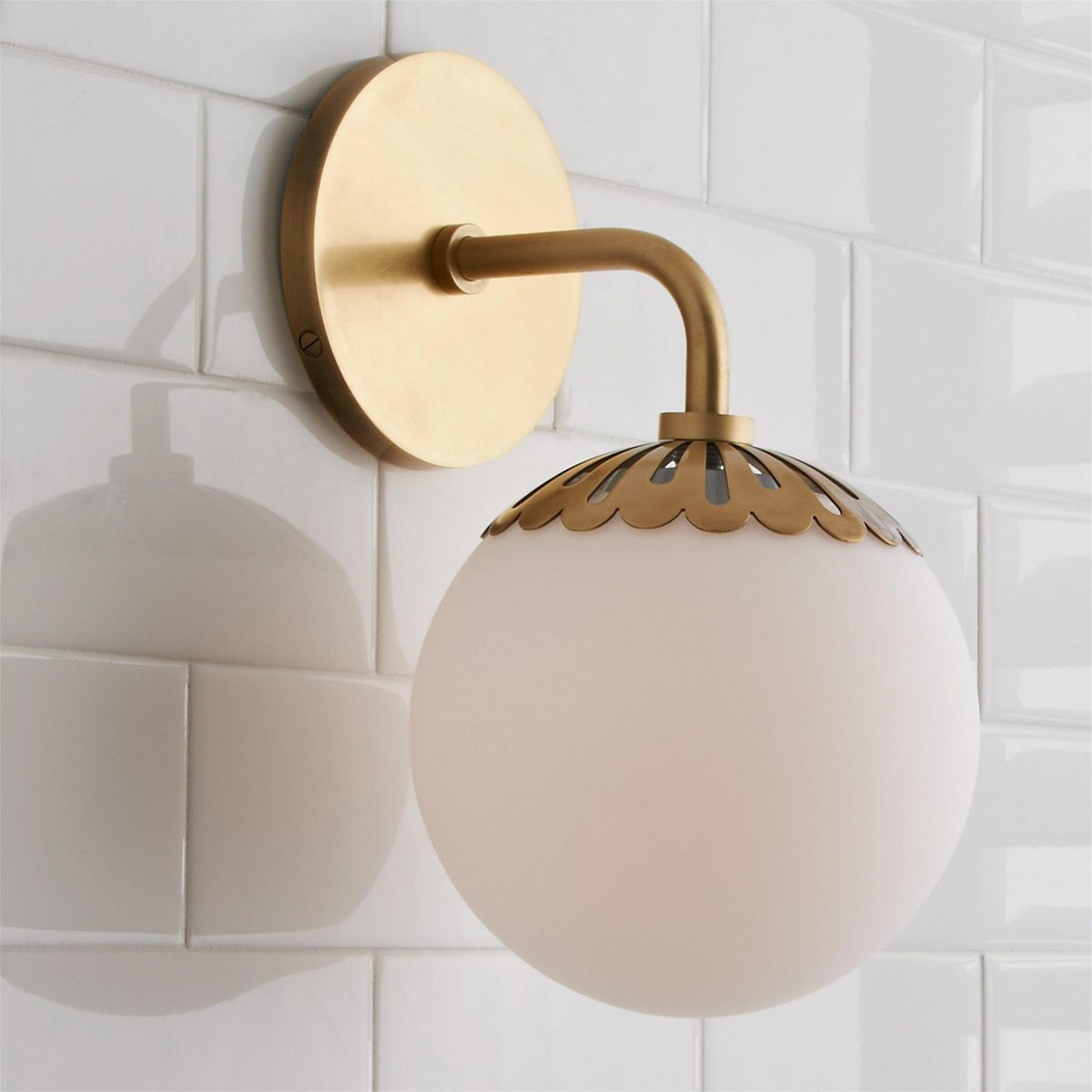
Aplique de Pared Dauphine
Envío estándar gratuito a EE.UU., Canadá, UE, Reino Unido, Australia y Emiratos Árabes Unidos
💡 Usa el código de cupón RDSHN para disfrutar de 10% de descuento
¿Ilumina un proyecto completo? Consulte nuestros precios profesionales →
Frecuentemente comprados juntos

 $ 3,623.00
 $ 3,066.00
Latón Envejecido · Pantalla de Tela Ajustada · Aplique Transicional
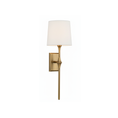
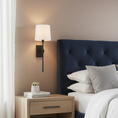
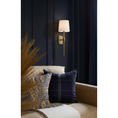
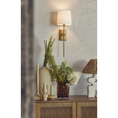
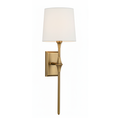
Un aplique de pared ajustado en el lenguaje de la iluminación transicional clásica americana — un tallo de latón envejecido delgado surge de una pequeña placa de montaje rectangular, disminuyendo suavemente hasta una punta de borla. Una pantalla cilíndrica afilada crema en lino blanco se encuentra en la parte superior, cosida a mano y sin forro para una iluminación suave ascendente. La proporción es vertical y disciplinada, escalada para pasillos y muros junto a la cama.
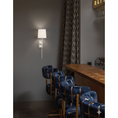
El cuerpo de latón está acabado a mano — brillante en el pulido, más profundo en los recesos donde la luz captura. Adecuado para muros junto a la cama, baños de visitas, pasillos, y en pares flanqueando mesas consola o repisa de chimenea. Disponible en tres acabados — Latón Envejecido, Negro Mate y Níquel Cepillado — para combinar con interiores tradicionales, transicionales y modernos.
Características
Pantalla Cilíndrica Ajustada
Pantalla de lino blanco cosida a mano, sin forro para carácter de iluminación ascendente cálida.
Tallo de Latón Envejecido
Cuerpo de latón afinado delgado con placa de montaje rectangular y pie de punta de borla.
Tres Acabados
Latón Envejecido, Negro Mate o Níquel Cepillado para combinar con su registro interior.
Acabado — Elige al Finalizar la Compra
Latón Natural
Oro miel cálido con recesos más profundos — calidez transicional clásica americana.
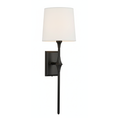
Negro Mate
Negro mate suave para interiores modernos, industriales o de alto contraste.
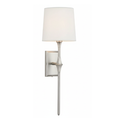
Níquel Satinado
Tono plateado frío con acabado cepillado — fresco en espacios costeros y contemporáneos.
Metal acabado a mano y pantalla cosida a mano. Cada pieza se acabaa mano, por lo que la variación sutil en tono y profundidad de pátina es parte del carácter — no un defecto. La pantalla cilíndrica de lino está cosida a mano y puede presentar variación menor en la línea de costura.
Notas del Producto
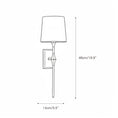
D 14 cm × H 48 cm
∅ 5,5″ × Alto 18,9″ · Aplique de pared cableado
| Materiales | Cuerpo de metal acabado a mano · Pantalla cilíndrica de lino blanco |
| Acabado | Latón envejecido · Negro mate · Níquel cepillado · elige al finalizar la compra |
| Estilo | Transicional americano · aplique de diseño pulido |
| Dimensiones | D 14 × Alto 48 cm · ∅ 5,5″ × Alto 18,9″ |
| Casquillo de bombilla | Casquillo E12 candelabro · 1 bombilla · no incluida |
| Bombillas recomendadas | Bombilla LED vela blanco cálido 2700K–3000K, equivalente máximo 40W incandescente |
| Temperatura de color | Depende de la bombilla elegida · se recomienda blanco cálido para el resplandor de la pantalla de tela |
| Regulación | Compatible si se instalan una bombilla regulable y un atenuador TRIAC |
| Voltaje | CA 110–240 V · universal |
| Montaje | Cableado a caja de conexión de pared estándar · la placa trasera cubre la mayoría de cajas de un solo compartimento en EE. UU. |
| SKU | RDW-201819 |
| Plazo de entrega | Fabricación bajo pedido · consulte el plazo estimado en el carrito |
| Ideal para | Paredes junto a la cama · Pasillos y corredores · Baños de visitas · Pares a cada lado de consolas o repisas de chimenea · Rincones de lectura |
Instalación
- Se conecta por cable a una caja de empalme estándar en la pared — se recomienda instalación profesional.
- La placa de montaje cubre la mayoría de cajas de un solo gancho de EE.UU.; verifica antes de perforar.
- Instala a 60–66″ sobre el piso terminado en pasillos y paredes de cabecera; los pares flanqueadores sobre una repisa típicamente se centran 6–9″ arriba de la repisa.
- Aloja una única bombilla de casquillo E12 candelabro — suministra tu propia bombilla LED vela blanco cálido.
- Solo uso interior · apta para baños de visitas alejada del rociado directo de la ducha.
- Limpia la pantalla de lino con un cepillo suave; limpia manchas únicamente con un paño apenas húmedo.
Descargas
Preguntas frecuentes
¿A qué altura debo instalar la Dauphine? +
Para pasillos y paredes junto a la cama, una altura de 60–66″ desde el piso terminado al centro del aplique funciona bien. Para pares a cada lado de una repisa de chimenea, centra a 6–9″ arriba de la repisa y espacía los pares uniformemente a cada lado del espejo u obra de arte. Siempre confirma con tu electricista.
¿Puedo usarla como lámpara de lectura junto a la cama? +
Sí — la pantalla cilíndrica de lino sin forro proyecta una luz ambiente suave hacia arriba en lugar de un haz de lectura concentrado, lo que se adapta perfectamente a la ambientación junto a la cama. Para lectura dedicada, combínala con una bombilla LED vela más brillante y un regulador de pared TRIAC para controlar la intensidad para el uso nocturno.
¿Es la Dauphine regulable? +
Sí, con la bombilla correcta. El aplique aloja una única bombilla de casquillo E12 candelabro. Instala una bombilla LED vela regulable en un regulador de pared TRIAC y el aplique se atenúa suavemente. Se recomienda blanco cálido 2700K–3000K para favorecer la pantalla de lino.
¿Qué acabado debo elegir? +
Latón envejecido conviene a espacios transicionales y tradicionales — pisos de madera, paredes beige y crema. Negro mate ancla esquemas modernos, industriales o de alto contraste. Níquel cepillado tiene un tono más frío y funciona bien en interiores costeros, contemporáneos y con paredes claras.
¿Puedo instalarla en un tocador? +
Sí — la Dauphine se adapta a baños de visitas y tocadores de baño principal lejos del rociado directo de la ducha. La pantalla de lino no debe estar expuesta a vapor prolongado o agua directa; para instalaciones en zona de ducha o áreas húmedas, por favor contáctanos para orientación.
Descargas
Dimension drawings

¿Necesitas un archivo 3D u otro documento? Pregunta a un diseñador — es gratis; los archivos 3D se dibujan para tu proyecto, así que permite un poco de tiempo.
Preguntas frecuentes
¿Cuáles son las dimensiones exactas de la Aplique de Pared Dauphine?
El aplique mide D 14 cm × H 48 cm, o ∅ 5,5″ × H 18,9″.
¿Qué materiales y acabados están disponibles?
El aplique cuenta con un cuerpo de metal acabado a mano y una pantalla cilíndrica de lino blanco. Elige entre acabados en Latón Natural, Negro Mate o Níquel Satinado.
¿Qué estilo tiene el Dauphine?
Es un aplique transicional tradicional y moderno con un diseño pulido y vertical, y una pantalla cilíndrica cónica y nítida.
¿Para qué habitaciones es adecuado este aplique?
Ideal para paredes laterales a la cama, pasillos, áreas de entrada y despachos. Las proporciones esbeltas funcionan perfectamente en pares a ambos lados de mesas consola o repisas de chimenea en salones.
¿Cómo se instala?
Está cableado a una caja de conexión estándar de pared. Para pasillos y paredes laterales a la cama, instala a 60–66″ sobre el nivel del piso terminado. Se recomienda instalación profesional.
¿Aún no estás seguro? Haz una pregunta — respondidas dentro de 1 día hábil.
- Diseño de forma única
- Fabricado responsablemente
- Material de alta calidad
- Probado para durabilidad
CUIDADO
CUIDADO
- Limpia con un paño suave y seco.
- Para proteger el acabado, no recomendamos el uso de limpiadores domésticos ni abrasivos.
- No excedas la potencia especificada.
POLÍTICA DE ENVÍO Y DEVOLUCIÓN
POLÍTICA DE ENVÍO Y DEVOLUCIÓN
Disfruta de envío estándar gratuito en todos los pedidos, asegurado y rastreado hasta tu puerta. Los artículos elegibles pueden devolverse dentro de 30 días de la recepción. Los artículos hechos a medida no son elegibles para devolución.
En nuestro taller
Fabricado a pedido, enviado asegurado
Cada accesorio se fabrica cuando haces el pedido — generalmente 1–3 semanas en nuestro taller, un poco más para vidrio soplado a mano y piezas grandes. Luego se envía asegurado por mar, aduanas gestionadas por nosotros, con seguimiento a tu puerta: la mayoría de pedidos llegan 5–7 semanas después de realizar el pedido. ¿Lo necesitas antes? El envío express aéreo tarda 2–4 semanas en total, con precio en el carrito.
Hecho a tu medida
Nada aquí es fijo
Cambia el acabado, el color, la piedra, el tamaño — o envíanos una forma.
Servicios de diseño
Planes de iluminación para todo el hogar gratuitos
Envía planos de piso o fotos; un diseñador de Radilum devuelve un plan habitación por habitación con lámpara, tamaño y altura de montaje — generalmente dentro de 2 días hábiles.

Envío Gratis
Envío estándar gratuito, asegurado y rastreado hasta tu puerta.

Certificación Norteamericana
Descripción general de la certificación norteamericana

Pago Seguro
Pago seguro con múltiples tarjetas de crédito.


La historia del hierro y el latón
Fundida, cincelada y terminada a mano
Nuestras lámparas de latón e hierro se cuelan, se cincelan y se terminan en nuestro propio taller — doradas a la hoja, bronceadas o lacadas a mano, por eso no hay dos que lleven exactamente el mismo brillo. El color crece en el baño de acabado en lugar de pulverizarse, luego se sella para envejecer con elegancia. Elige un acabado arriba, o pide cualquier otro acabado de metal de la Biblioteca de acabados.
El metal que sostiene
la luz de los años.
El latón es la aleación a la que recurren las civilizaciones cuando quieren que la luz perdure. Tiradores de puertas pulidos por tres generaciones. Instrumentos navales aún legibles un siglo después de que la nave fuera desguazada. Candelabros de iglesia que sobreviven a las parroquias. La Colección de Latón Americano de Radilum se construye sobre esa misma expectativa: luminarias forjadas en latón tipo H65, terminadas a mano, selladas contra el tiempo, y pensadas para ser la lámpara que tus nietos aún reconozcan.

La aleación que se niega a envejecer.
El latón es una aleación de cobre y zinc cuya primera fusión conocida data aproximadamente del 500 a.C. en el Mediterráneo oriental — artesanos griegos aleando mineral de calamina con cobre nativo para producir un metal que golpeaba como oro pero se doblaba como una herramienta. Por el período imperial romano, el latón era el material de monedas, accesorios militares y las lámparas domésticas que iluminaban la Roma de la república tardía. Dos milenios y medio después sigue siendo, por un margen enorme, la aleación de ingeniería no férrea más utilizada del planeta — y el caballo de batalla silencioso de la industria de iluminación.
Lo que hace que el latón sea único para iluminación es una coincidencia de propiedades que ningún metal de elemento único logra. Cobre le otorga profundidad cromática cálida y el rojo-amarillo específico que se lee como lujoso en lugar de industrial. Zinc endurece la aleación lo suficiente para mantener perfiles torneados nítidos, herrajes roscados y detalles fundidos sin la blandura del cobre puro o la opacidad de fundiciones grises. La mezcla produce un metal que es trabajable cuando lo necesitas — y rígido para el próximo siglo.
De la docena de grados de latón disponibles para fabricantes, Radilum especifica latón de cartucho H65 — 65% cobre, 35% zinc. El nombre proviene de su uso original: casquillos de proyectiles militares, donde el metal tenía que absorber el impacto del disparo sin agrietarse. Esa misma resistencia, aplicada a un brazo de lámpara, significa que la pieza se mantiene dimensionalmente estable bajo décadas de ciclos térmicos, apriete de hardware y reemplazo de bombilla. Las aleaciones con menos cobre (H62, H59) son más baratas pero más frágiles. No las utilizamos.
La colección de latón Radilum se construye sobre un reconocimiento simple que la industria de iluminación más amplia ha estado olvidando durante los últimos dos décadas: que la diferencia de costo entre una luminaria de latón verdadero y una chapada en latón de zinc se mide en años de servicio, no en dólares al pagar.
Cuatro propiedades que transforman todo
sobre cómo envejece una luminaria.
La mayoría de los materiales de las luminarias se eligen por su apariencia en la fotografía de catálogo. El latón es uno de los pocos materiales que justifica su presencia durante los próximos treinta años. Las diferencias se reducen a cuatro propiedades físicas y estéticas.
01 Masa que transmite calidad
El latón sólido H65 tiene una densidad de 8,5 g/cm³ — más denso que el acero, más denso que el hierro fundido, más de tres veces el peso del zinc inyectado. Una aplique de latón de tamaño comparable a una de latón chapado sobre zinc pesará casi cuatro veces más. Notarás la diferencia en el momento en que levantes la caja. No es marketing — es química.
02 Acabado vivo, no un recubrimiento
Los acabados de latón chapado son pintura que resulta ser metálica. Se rayan, se astillan y revelan aleaciones más baratas debajo. El latón sólido es el acabado — lo que ves es el metal mismo, pulido o patiñado. Un arañazo en latón chapado es un defecto; un arañazo en latón sólido es una marca de uso que se pule nuevamente. Por eso los instrumentos de latón sobreviven un siglo de giras mientras que el hardware chapado se anticúa en cinco años.
03 Naturalmente antimicrobiano
Las aleaciones de cobre son oligodinámicas — sus iones superficiales interrumpen las membranas celulares microbianas al contacto. La EPA registra el latón sólido y el bronce como superficies antimicrobianas. Una placa de interruptor de latón, tirador de lámpara o herraje de puerta es significativamente más higiénica que su equivalente en acero inoxidable. En accesorios de alto contacto (lámparas de mesilla, apliques en pasillos), esto importa más de lo que los folletos suelen mencionar.
04 Un espectro que el ojo lee como cálido
El latón refleja la luz selectivamente en todo el espectro visible — absorbiendo ligeramente más azul y verde, reflejando más rojo y amarillo. El resultado es que cualquier fuente de luz montada en o cerca de un accesorio de latón adquiere un matiz cálido leve. Diseñamos la especificación LED teniendo en cuenta este cambio: una bombilla de 2700K tras latón se lee al ojo como aproximadamente 2550K, el color de la luz de ventana a última hora de la tarde.
Seis acabados. Seis conversaciones distintas
entre el metal y el espacio.
Un único bloque de H65 puede tener una docena de acabados diferentes — y el acabado, más que cualquier otra variable, define la personalidad de la luminaria. El atelier mantiene seis caracteres estándar y añade pátinas personalizadas bajo solicitud. Se envían muestras físicas antes del pedido final en todos los proyectos de tres luminarias en adelante.
- Reflectividad~85%
- SellanteIncralac
- Ideal paraEspacios formales
- Reflectividad~35%
- TexturaSatén lineal
- Ideal paraLa mayoría de proyectos
- TonalidadÁmbar a negro
- VariaciónCada uno único
- Ideal paraInteriores vintage
- Reflectividad~5%
- BordesDestello de latón
- Ideal paraLujo moderno
- SelladorNinguno
- PátinaContinua
- Ideal paraCasas de época
- ChapadoNíquel satinado
- CuerpoLatón sólido H65
- Ideal paraPaletas frías
Los diecisiete que realmente puedes ordenar
Los seis caracteres anteriores describen cómo se comporta un acabado. Lo que especificas es uno de diecisiete acabados numerados — o una pátina personalizada desarrollada para coincidir con una muestra que nos envíes.
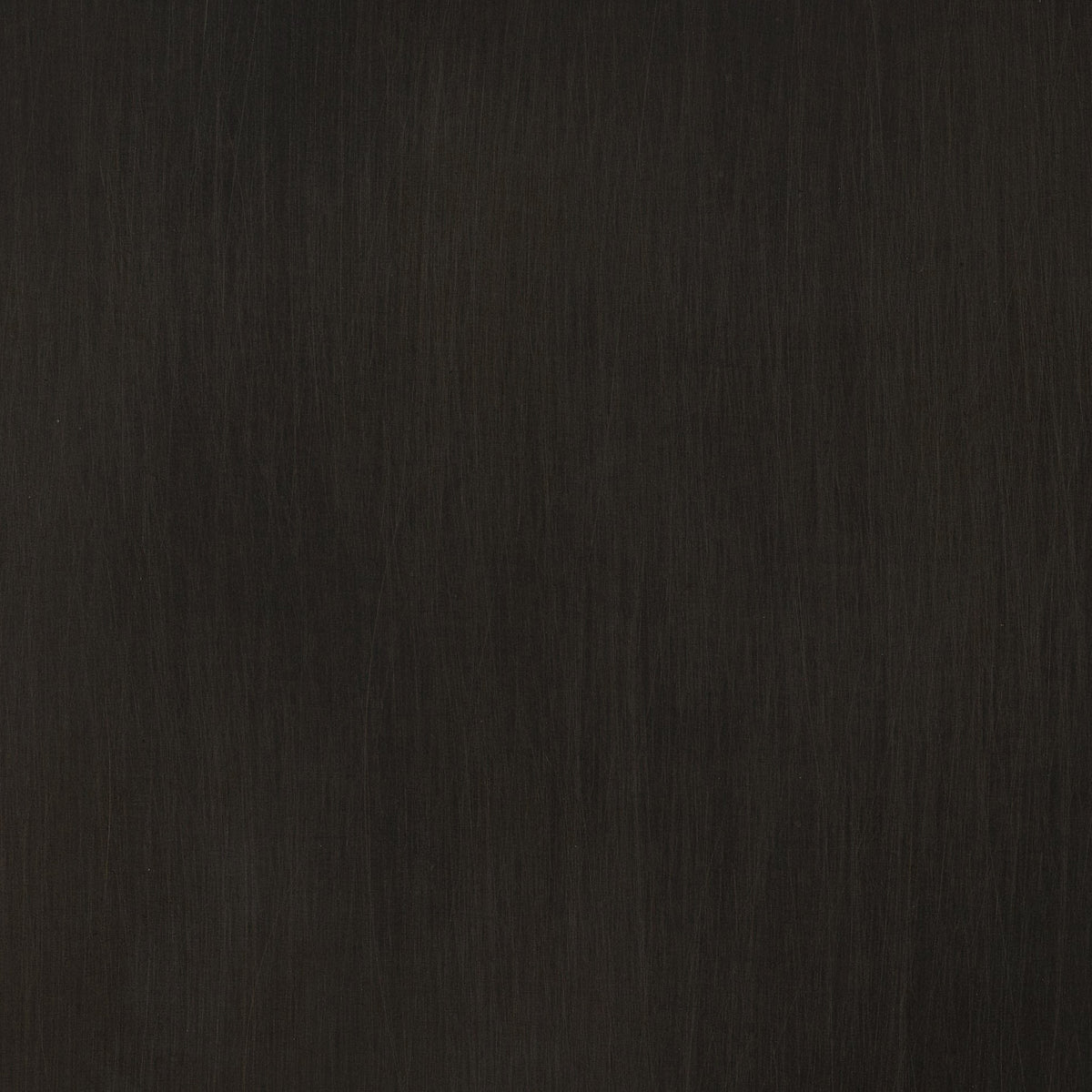 01
01 02
02 03
03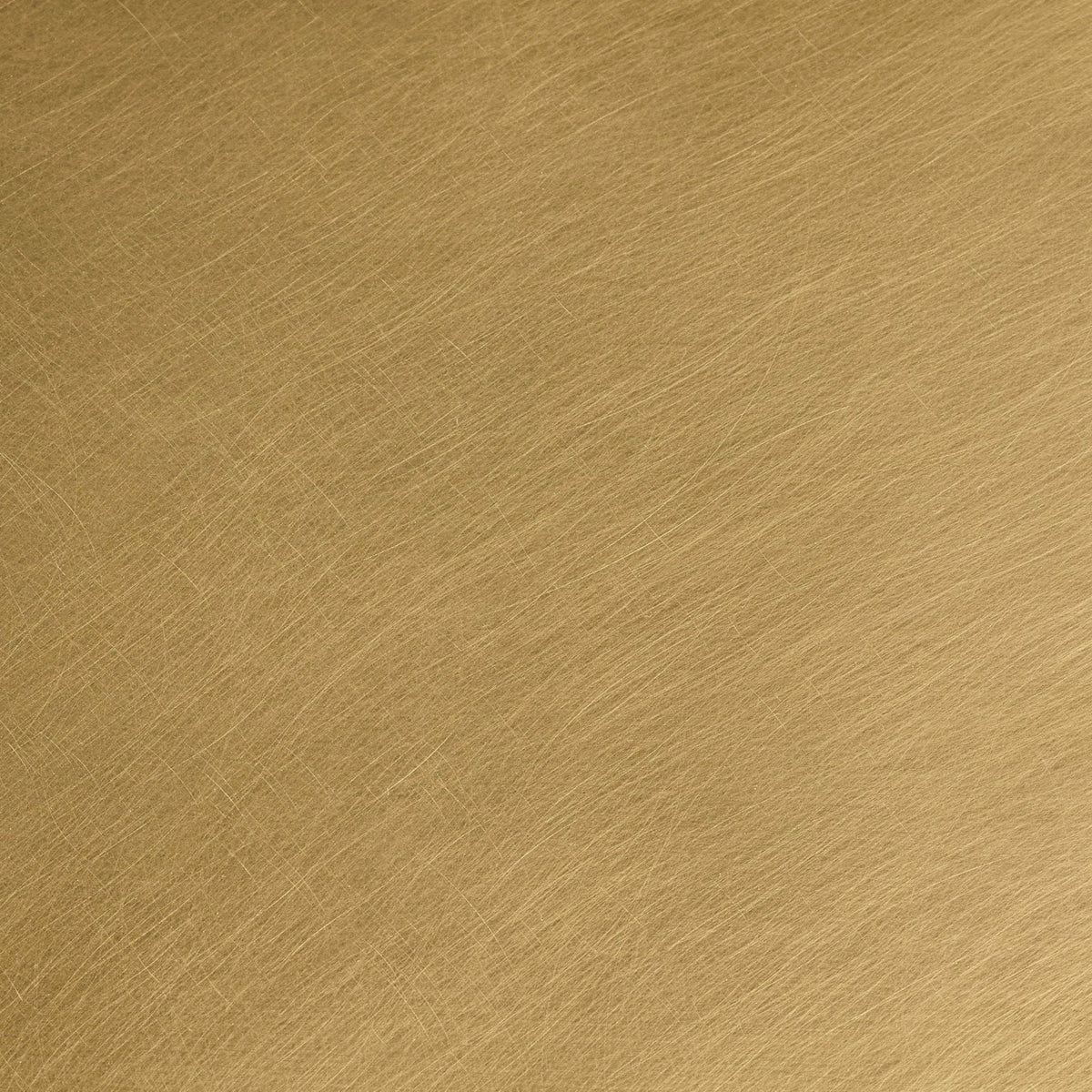 04
04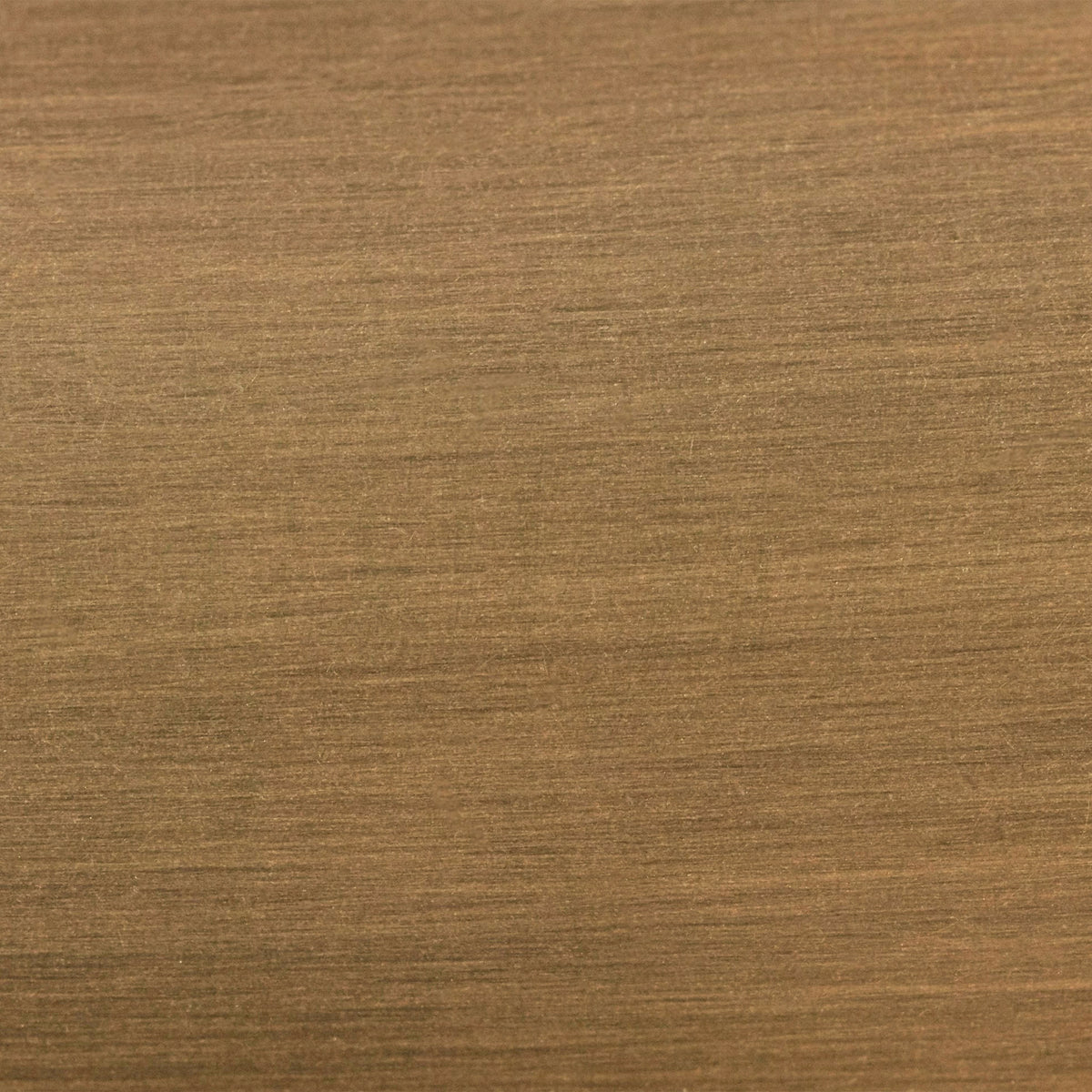 05
05 06
06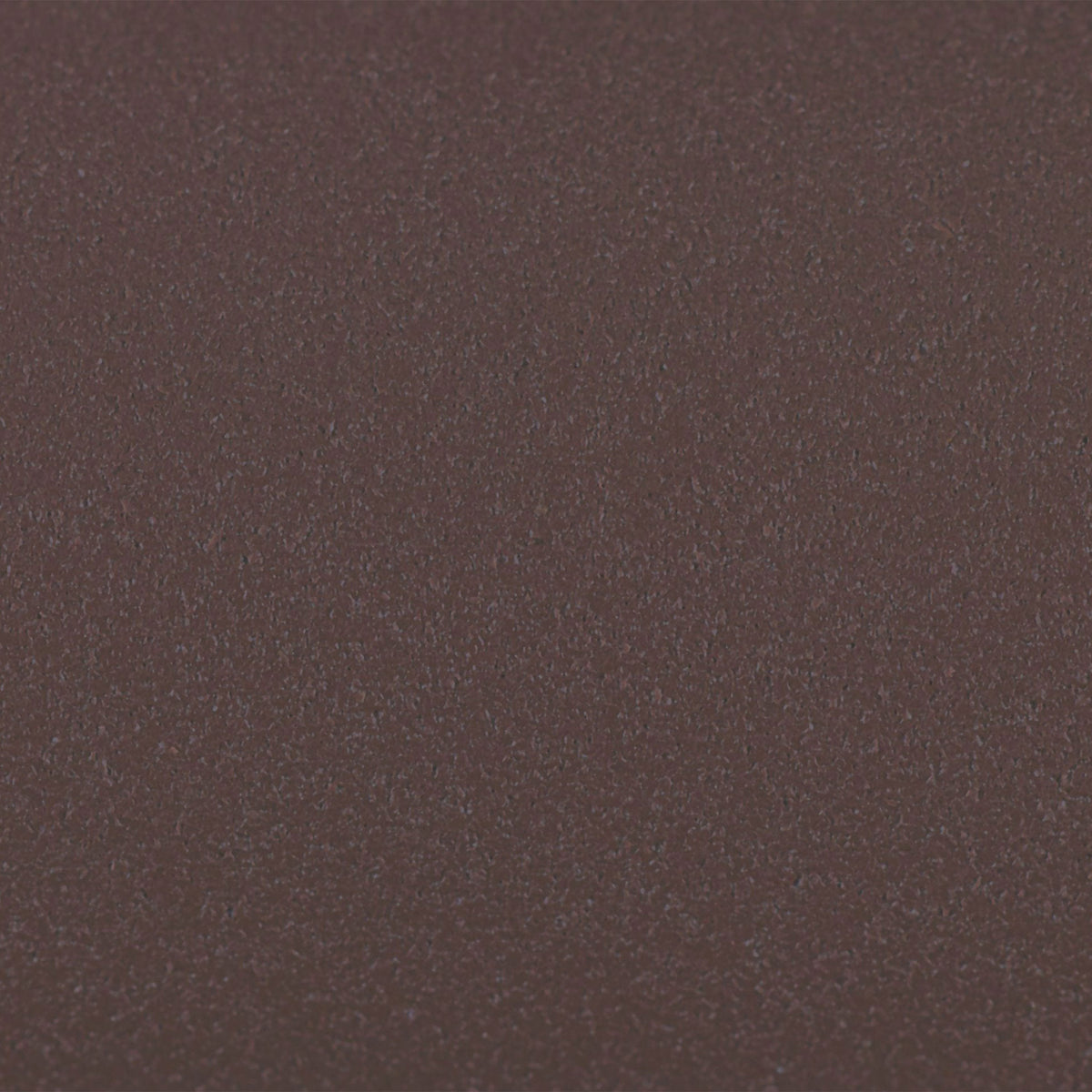 07
07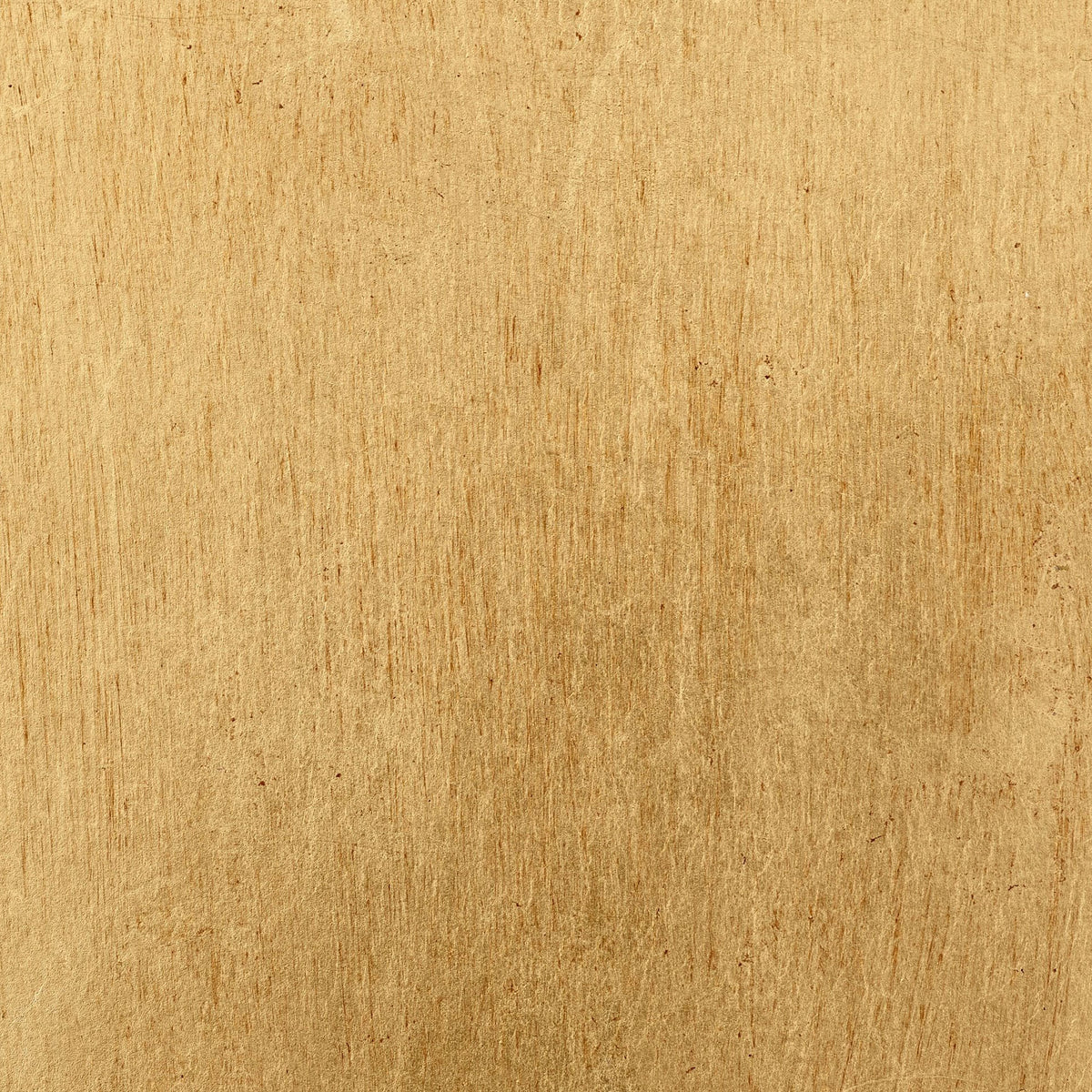 08
08 09
09 10
10 11
11 12
12 13
13 14
14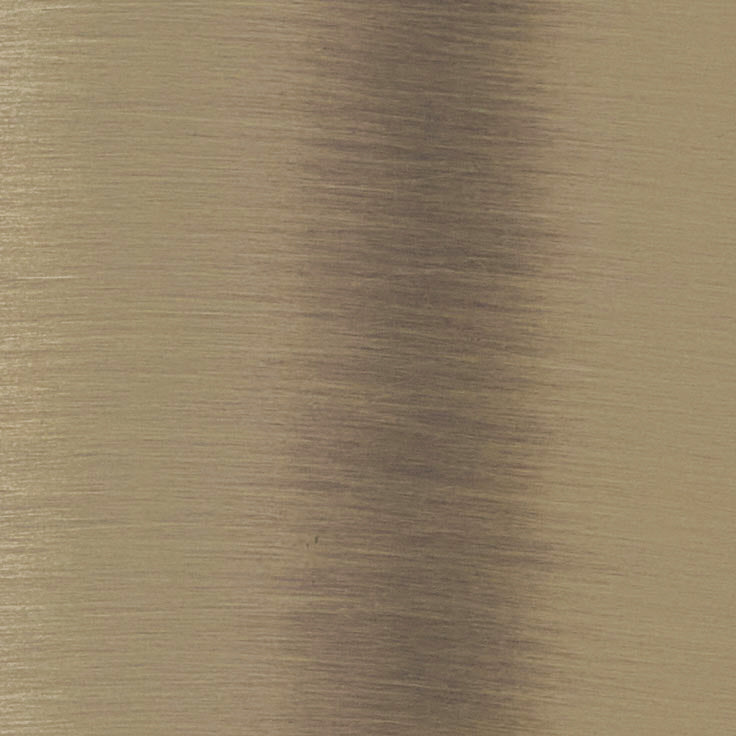 15
15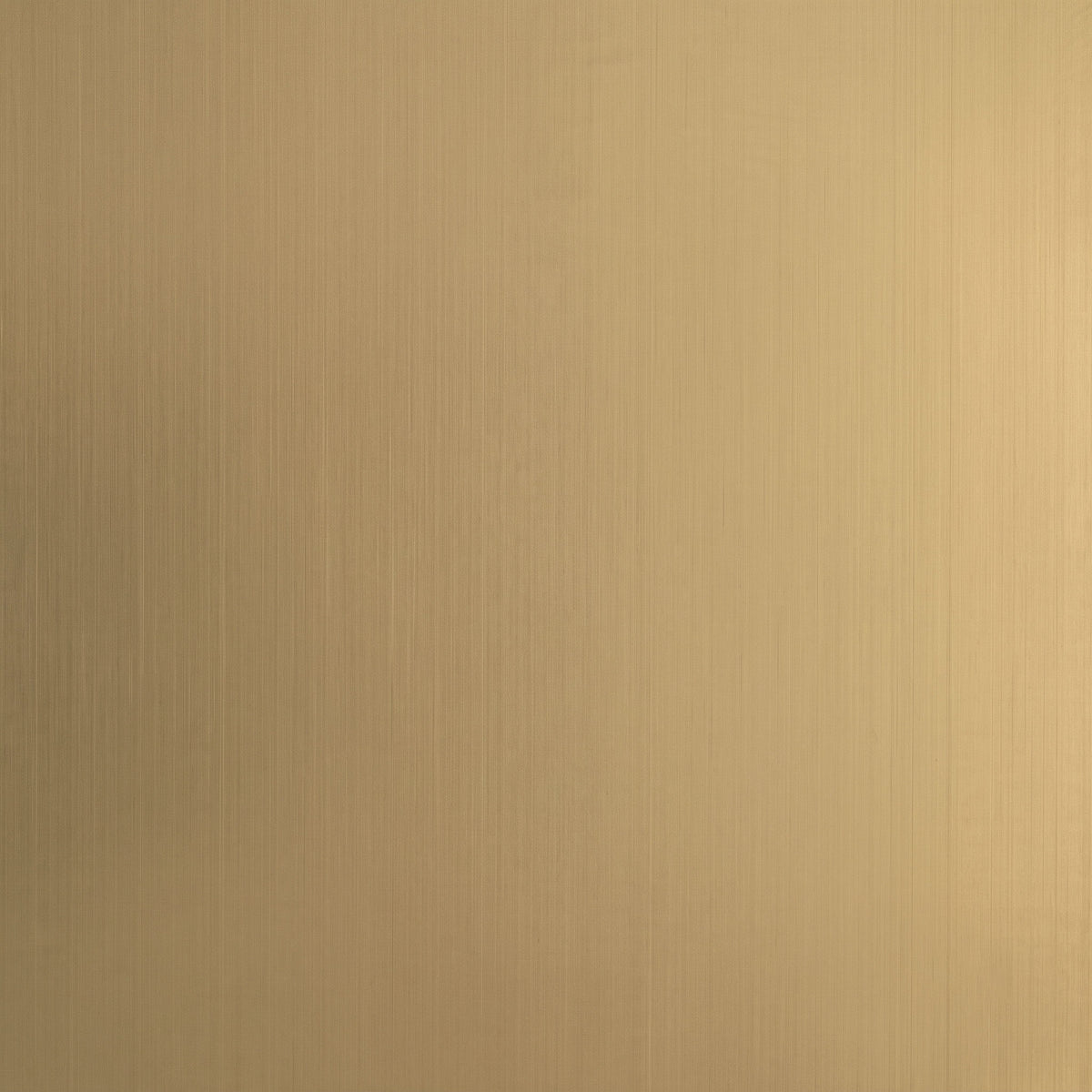 16
16 17
17
Acabados 01–17 · latón, bronce, hierro, acero, níquel, cromo, negro · pátinas personalizadas a solicitud
Ordena por número, no por nombre. "Latón antiguo", "latón envejecido", "latón brunido" — pregunta a cinco talleres qué significan y cinco metales diferentes regresan. Acabado 04 es la misma muestra física en nuestro estudio, en el banco del taller, y en tu albarán de entrega.
Y como ninguna pantalla reproduce honestamente el metal, enviamos los paneles físicos antes de comprometer nada. Sostenlos contra tu mueblería y pintura mural, en la hora en que realmente usas la habitación — entonces envía el número.
Color que es cultivado, no pintado.
Un acabado de latón no es una capa de pintura — es una reacción química controlada en la superficie del metal mismo. Donde una laca pulverizada se asienta encima y eventualmente se astilla, una verdadera pátina es el latón reaccionando con azufre, amoníaco o sales ácidas hasta que los iones de su superficie cambian de color. El tono que ves es el metal, transformado. Por eso una luminaria Radilum patiñada se profundiza con la edad en lugar de pelarse — y por qué cada pieza es coloreada a mano, una por una.
Siete etapas, diez a doce semanas,
y nada existe antes de que tú elijas.
Una lámpara Radilum no se toma de un estante. Se elabora, funde, pule, patina y sella después de que la ordenes — razón por la cual el acabado puede ser lo que desees, y por la que todo el proceso toma doce semanas en lugar de dos días.
Un especialista en proyectos lleva la comisión de principio a fin. No hay cambio de manos entre ventas, diseño, producción y envío; la persona que responde tu primer correo es quien te envía las fotografías del pulido.
Las cuatro fases que verá fotografiadas
Las fases tres a seis ocurren en el taller, y cada una llega a su bandeja de entrada como fotografía con marca de tiempo. No porque las imágenes vendan algo — doce semanas es mucho tiempo para confiar en un taller al otro lado del mundo, y una fotografía es la única prueba de que lo que describimos realmente sucedió. Llegan aunque no las pida.

Acero cortado de su dibujo
El render firmado se convierte en modelo paramétrico, luego en trayectoria de herramienta de cinco ejes, y finalmente en molde de acero cortado en nuestro propio taller. Nada se subcontrata aquí — una tolerancia perdida en esta fase no se puede recuperar después.

H65 — la aleación de latón para proyectiles
65% cobre, 35% zinc: el latón que se especificó inicialmente para proyectiles militares porque absorbe el impacto sin rajarse. Cada pieza fundida se recocida para que no se agriete en una década.

El color se cultiva, no se pulveriza
Un técnico lleva su luminaria a través de cada grano de lija, y luego al baño de pátina. La reacción se detiene segundos después de alcanzar el tono, y los puntos altos se frotan a mano. Su marca está grabada en la placa del acoplamiento.

Sellador multicapa, probado por 25 años
Tres capas de Incralac importado — el barniz de conservación que utilizan los museos en escultura de bronce. Las pruebas de envejecimiento acelerado proyectan 25+ años libres de oscurecimiento — o nos saltamos esta fase completamente, por solicitud.
La muestra es el paso más económico de toda la comisión y el único que previene un remake — el acabado es la única variable que no se puede corregir una vez que la luminaria está construida.
Cinco arquetipos — el portafolio de trabajo.
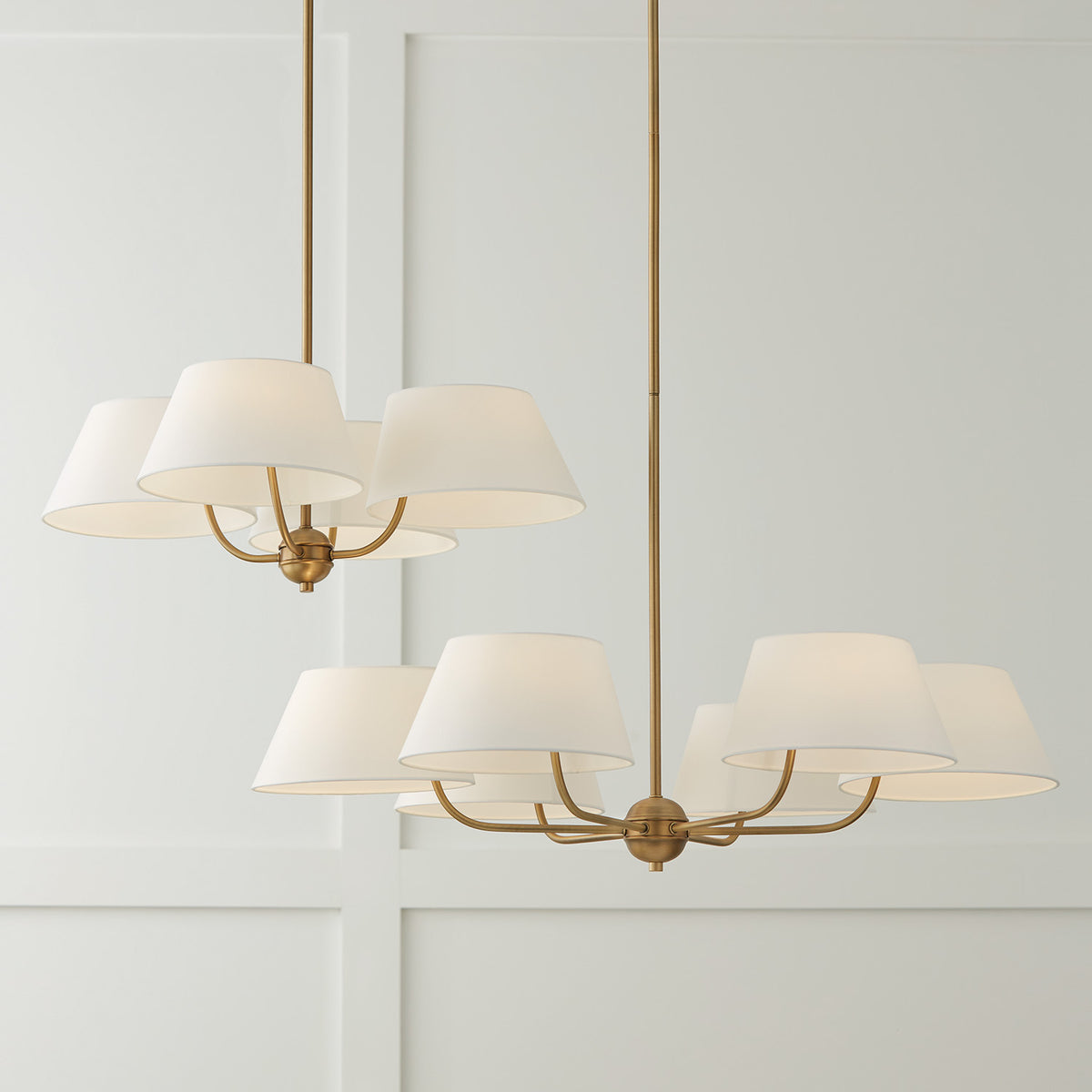
La mayoría de proyectos comienzan desde una de cinco categorías estándar. Cada categoría escala desde residencial íntimo hasta hostelería de sala completa; cada categoría acepta cualquiera de los diecisiete acabados; cada categoría se envía certificada UL para América del Norte (CE/SAA disponible bajo solicitud).



Tres principios extraídos de dos siglos
de diseño interior americano.
La Colección Radilum American Brass está moldeada por tres linajes — la proporción neoclásica de la era Federal, el movimiento Arts & Crafts de principios del siglo XX y la vernácula industrial de mediados de siglo. El resultado es un portafolio que se lee como Americano no porque esté decorado con águilas y estrellas, sino porque lleva la misma contención y honestidad estructural que esas tres tradiciones comparten.

Contención y Proporción
De la ebanistería de la era Federal: simetría, equilibrio, contención. Brazos escalonados a intervalos de razón áurea. Doseles dimensionados para coincidir con la columna de la que descienden. Nada es decorativo por decoración. La grandiosidad reside en la proporción, no en el ornamento.

Honestidad Estructural
Del vocabulario Arts & Crafts: la función expresada, nunca disimulada. Las uniones se ven. Los sujetadores son visibles e intencionales. El brazo de un aplique tiene su forma porque debe soportar una bombilla — y esa forma es el diseño. Nada pretende ser lo que no es.

Pantallas Clásicas
De la industria de mediados de siglo: vidrio lechoso opal, vidrio estriado, lino tejido, malla de metal perforado. Cada pantalla tiene un vocabulario de cien años detrás. Emparejamos la pantalla con la habitación prevista de la luminaria — no con la preferencia del fotógrafo por lo que se ve en redes sociales.
Comienza con un resumen, o una muestra de acabado.
Ya sea que necesites un único aplique de mesita de noche o cien luminarias coincidentes para un proyecto de hostelería, el primer paso es el mismo — escríbenos. El especialista en proyectos que lee tu correo es con quien trabajarás de principio a fin. Cada correo recibe una respuesta real dentro de 24 horas.
Alturas de montaje para lámparas de pared
Dónde coloques la lámpara en la pared determina si se lee como decoración o como luz funcional.
Tabla de tamaños
| Tamaño |
| área XS |
| Sala XS |
| Tamaño | DIÁ 2"-6" | DIÁ 6"-12" | DIÁ 12"-18" | DIÁ 20"-24" | DIÁ 24"-32" | DIÁ 32"-40" |
|---|---|---|---|---|---|---|
| área | 32-54 FT | 54-107 FT | 107-161 FT | 161-215 FT | 215-269 FT | 269-378 FT |
| Sala | BAÑO/PASILLO | COMEDOR | COCINA | DORMITORIO | SALA DE ESTAR | INTERIOR COMERCIAL |
* Los tamaños son estadounidenses y se expresan en pulgadas.
Completa la habitación
Piezas que combinan bien con the Aplique
De la misma línea de Aplique de Pared de Latón Francés — seleccionada para que el espacio sea coherente.


Visto recientemente
Oferta de bienvenida
Diez por ciento de descuento tu primer pedido
Ingresa el código en el carrito. Se aplica al pedido completo, incluidos acabados personalizados.
Profesionales y diseñadores
Programa Comercial
Precios netos en cada accesorio, muestras de acabados, modelos 3D bajo solicitud y un contacto de proyecto dedicado — para diseñadores de interiores, arquitectos, hostelería y desarrolladores.
Solicitar una cuenta comercial