


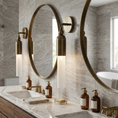
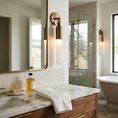
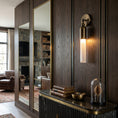
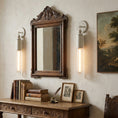
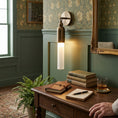
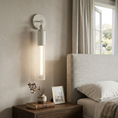
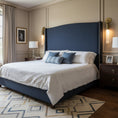
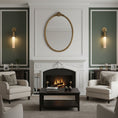
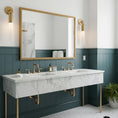
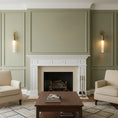
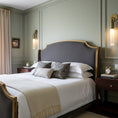
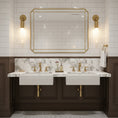
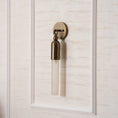
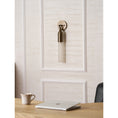
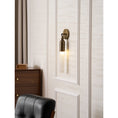
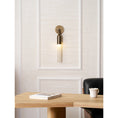
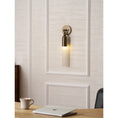
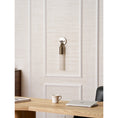
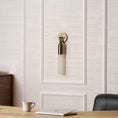
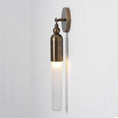
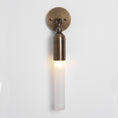
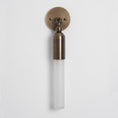
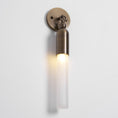
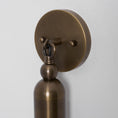
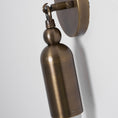
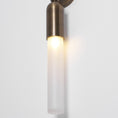
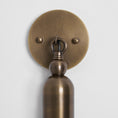
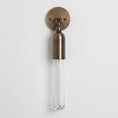
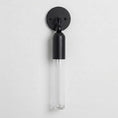
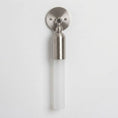
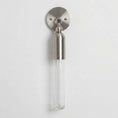
قبة نحاسية · زجاج شفاف مفخور · G9 ثنائي الدبوس
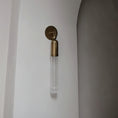
إعادة تخيل للكلاسيكية — يجمع Darby بين قبة نحاسية ناعمة منتشرة للضوء مع أسطوانة زجاج معتم رقيقة مفخورة تسمح لخيط المصباح بالظهور بشخصية هادئة. الزجاج شفاف عن قصد، بسطح منسوج يدويًا بدقة يلتقط الضوء وينكسره. دفء راقٍ وسحر خالد بنسب متساوية.
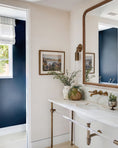
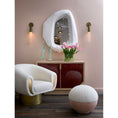
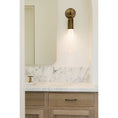
شاهده في العمل
نظرة عامة على المنتج
تشطيب الهيكل — اختر عند الدفع
المواد والحرفية
جسم نحاسي
قبة وذراع من النحاس الصلب — تنشر الضوء العلوي بنعومة من خلال ملفها المنحني.
زجاج معتم
أسطوانة زجاج معتم مفخورة يدويًا مع سطح منسوج برقة — المصباح مرئي من خلاله.
قاعدة G9 ثنائية الدبوس
مقبس G9 مضغوط — مصابيح دقيقة ثنائية الدبوس تختفي داخل الأسطوانة الزجاجية الرقيقة.
ملاحظات المنتج
| الأبعاد | Ø 12.5 × 9 × 51 سم / ∅ 4.9″ × 3.5″ × 20.1″ |
| مادة الهيكل | نحاس خالص |
| مادة الظل | زجاج معتم مفخور |
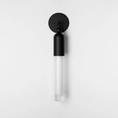
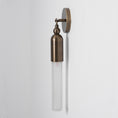
| نهايات الهيكل | برونز مُصقول بالاهتزاز · أسود · نيكل |
| نوع المقبس | قاعدة G9 ثنائية الدبوس |
| المصباح المرفق | لا — يُباع بشكل منفصل |
| الأسلاك | تثبيت حائط مثبت بالكهرباء |
| رمز المنتج | RDW-211527 |
التثبيت
- التثبيت على الجدار بتوصيل كهربائي — يُنصح باستدعاء كهربائي مرخص.
- يناسب صندوق جدار موحد أحادي التجويف. جميع أجهزة التثبيت مضمنة.
- قابل للتعتيم عند إقرانه بمصباح G9 LED قابل للتعتيم وجهاز تعتيم جداري متوافق مع TRIAC.
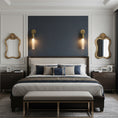
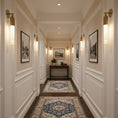
- التوضع الموصى به: على مستوى العين (≈ 150 سم / 60″ من الأرض) للممرات والمداخل؛ 75–90 سم فوق سطح السرير لاستخدام غرفة النوم.
كما ظهر على إنستاجرام
تركيبات العملاء الحقيقيين — اضغط على أي بطاقة لفتح المنشور الكامل على Instagram.


الأسئلة الشائعة
هل الأسطوانة الزجاجية شفافة أم مصنفرة؟ +
الزجاج مصفى — مفخور يدويًا مع سطح منسوج برقة يلتقط الضوء بنعومة. المصباح مرئي من خلال الزجاج عند إضاءة المصباح، وهو جزء من التصميم المقصود لـ Darby. لهذا السبب، فإن اختيار المصباح له تأثير بصري قوي.
أي مصباح تنصح به؟ +
مصباح G9 ثنائي الدبوس LED بضوء دافئ (2700K)، بقوة 3–4W. نظرًا لأن الزجاج شفاف، فإن مظهر المصباح مهم: اختر مصباح G9 LED صغير ورقيق بملف ضيق ونظيف — مصابيح G9 بأسلوب خيط معدني تبدو أنيقة بشكل خاص. تجنب مصابيح الكبسولة الكبيرة التي قد تظهر بشكل بارز جدًا أو تجلس منخفضة جدًا في الأسطوانة.
كيف يبدو مظهر "البرونز المصقول بالاهتزاز" فعلاً؟ +
إنه لون برونزي دافئ وسطح مصقول بالاهتزاز بدقة — وليس بطلاء لامع. يلين الصقل البرونز ويمنحه جودة مرتجلة وملمس لمسي. الأسود والنيكل هما عبارة عن تشطيبات أكثر تسطيحًا وموحدة للمقارنة.
ما حجم هذا المصباح؟ هل سيبدو مناسباً فوق طاولتي الجانبية؟ +
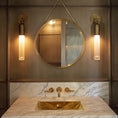
Darby رقيق وطويل — عرض 12.5 سم وارتفاع 51 سم (∅ 4.9″ × H 20.1″). يعمل بشكل جميل كلكنة رأسية فوق طاولة جانبية أو بجانب مرآة أو في إطار مدخل. للمساحات الأوسع أو كمصدر ضوء وحيد فوق سرير، فكر في وضع اثنين جنبًا إلى جنب.
هل المصباح قابل للتعتيم؟ +
نعم — عند إقرانه بمصباح G9 LED قابل للتعتيم وجهاز تعتيم جداري متوافق مع TRIAC (مثل Lutron Skylark أو Leviton Decora)، يعتم Darby بسلاسة. ملاحظة: لا كل مصابيح G9 LED قابلة للتعتيم، لذا تحقق من مواصفات المصباح قبل الشراء.
هل سيتطور النحاس بمرور الوقت بطبقة من الأكسدة؟ +
تشطيب برونز مُصقول بالاهتزاز مختوم وثابت — لن يتغير لونه أو يفقد بريقه بشكل كبير في ظروف داخلية عادية. تشطيبات الأسود والنيكل مستقرة أيضًا. إذا كنت تفضل تشطيبًا يتقدم في العمر بشكل طبيعي بمرور الوقت، فانظر إلى مجموعات النحاس غير المختومة الأخرى لدينا.
كيف أنظف الزجاج؟ +
أطفئ الطاقة من الجدار واترك المصباح يبرد. امسح أسطوانة الزجاج الشفافة بقطعة قماش ناعمة ومنظف زجاج خفيف — نظرًا لأن السطح منسوج، البصمات والغبار يظهران بسهولة، لكنها تُمسح بنظافة. امسح هيكل النحاس بقطعة قماش جافة ناعمة.
التنزيلات
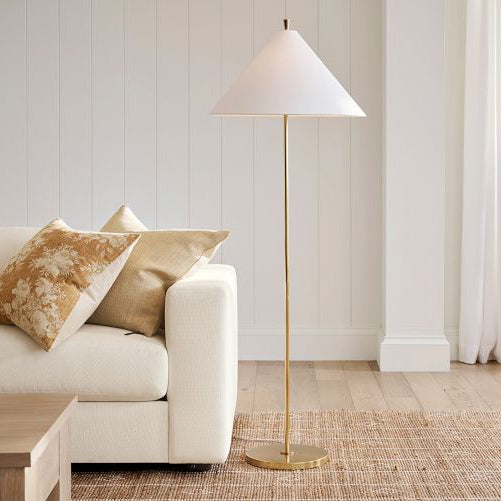
- تصميم فريد الشكل
- مصنوع بمسؤولية
- مادة عالية الجودة
- مختبر من حيث المتانة
العناية
العناية
- امسحها بقطعة قماش ناعمة وجافة.
- لحماية الطلاء، لا ننصح باستخدام منظفات منزلية أو مواد كاشطة.
- لا تتجاوز قوة الواط المحددة.
سياسة الشحن والإرجاع
سياسة الشحن والإرجاع
استمتع بالشحن المجاني على جميع المنتجات. مع خدمة Front Door Delivery، يتم شحن عنصرك من مركز التوزيع الخاص بنا عبر UPS خلال 2-3 أيام عمل ويصل إلى منزلك خلال 4-6 أسابيع. يمكن إرجاع العناصر المؤهلة خلال 30 يوماً من الاستلام. العناصر المصنوعة حسب الطلب غير مؤهلة للإرجاع.
10%
OFF
Use this code at checkout to enjoy a 10% discount on your entire purchase.

The metal that holds
the light of years.
Brass is the alloy civilisations reach for when they want light to last. Door pulls polished by three generations. Naval instruments still readable a century after the ship was scrapped. Church candelabra that outlive the parish. Radilum's American Brass Collection is built on that same expectation — fixtures forged from H65 cartridge brass, finished by hand, sealed against time, and meant to be the lamp your grandchildren still recognise.

The alloy that refuses to age.
Brass is a copper-zinc alloy whose first known smelting dates to roughly 500 BCE in the eastern Mediterranean — Greek artisans alloying calamine ore with native copper to produce a metal that struck like gold but bent like a tool. By the Roman imperial period, brass was the material of coinage, military fittings, and the household lamps that lit late-republic Rome. Two and a half millennia later it remains, by an enormous margin, the most-used non-ferrous engineering alloy on the planet — and the lighting industry's quiet workhorse.
What makes brass uniquely fit for lighting is a coincidence of properties no single-element metal achieves. Copper gives it warm chromatic depth and the specific red-yellow that reads as luxurious rather than industrial. Zinc hardens the alloy enough to hold sharp turned profiles, threaded fittings, and cast detail without the softness of pure copper or the dullness of grey castings. The blend produces a metal that is workable when you need it to be — and rigid for the next century.
Of the dozen brass grades available to manufacturers, Radilum specifies H65 cartridge brass — 65% copper, 35% zinc. The name comes from its original use: military shell casings, where the metal had to absorb the shock of firing without splitting. That same toughness, applied to a lamp arm, means the part stays dimensionally stable under decades of thermal cycling, hardware tightening, and bulb replacement. Lower-copper alloys (H62, H59) are cheaper but more brittle. We do not use them.
The Radilum brass collection is built on a simple recognition that the wider lighting industry has spent the last two decades forgetting: that the cost difference between a true brass fixture and a brass-plated zinc one is measurable in years of service, not dollars at checkout.
Four properties that change everything
about how a lamp ages.
Most fixture materials are chosen for what the lamp looks like in the showroom photograph. Brass is one of the very few materials that earns its place over the next thirty years. The differences come down to four physical and aesthetic properties.
01 Mass that reads as quality
Solid H65 brass has a density of 8.5 g/cm³ — denser than steel, denser than cast iron, more than three times the weight of zinc-die-cast. A brass sconce of comparable size to a brass-plated zinc one will weigh nearly four times as much. You feel the difference the moment you lift the box. It's not marketing — it's chemistry.
02 Living finish, not a coating
Brass-plated finishes are paint that happens to be metallic. They scratch, chip, and reveal cheaper alloy underneath. Solid brass is the finish — what you see is the metal itself, polished or patinated. A scratch on plated brass is a flaw; a scratch on solid brass is a wear mark that polishes back out. This is why brass instruments survive a century of touring while plated hardware ages out of fashion in five years.
03 Naturally antimicrobial
Copper alloys are oligodynamic — meaning their surface ions disrupt microbial cell membranes on contact. The EPA registers solid brass and bronze as antimicrobial surfaces. A brass switch plate, lamp pull, or door fitting is meaningfully cleaner than the stainless steel equivalent. For high-touch fixtures (bedside lamps, hallway sconces) this matters more than the brochures usually mention.
04 A spectrum the eye reads as warm
Brass reflects light selectively across the visible spectrum — absorbing slightly more blue and green, reflecting more red and yellow. The result is that any light source mounted in or near a brass fixture acquires a faint warm wash. We design the LED specification with this shift in mind: a 2700K bulb behind brass reads as roughly 2550K to the eye, the colour of late-afternoon window light.
Six finishes. Six different conversations
between metal and room.
A single block of H65 can be finished in a dozen ways — and the finish, more than any other variable, decides the personality of the fixture. The atelier maintains six standard characters and adds custom patinas on request. Physical samples are sent before final order on every project of three fixtures or more.
- Reflectivity~85%
- SealantIncralac
- Best forFormal rooms
- Reflectivity~35%
- TextureLinear satin
- Best forMost projects
- ToneAmber to black
- VariationEach unique
- Best forVintage interiors
- Reflectivity~5%
- EdgesBrass glint
- Best forModern luxe
- SealantNone
- PatinaContinuous
- Best forHeritage homes
- PlatingSatin nickel
- BodySolid H65
- Best forCool palettes
The seventeen you can actually order
The six characters above describe how a finish behaves. What you specify is one of seventeen numbered finishes — or a custom patina grown to match a sample you send us.
 01
01 02
02 03
03 04
04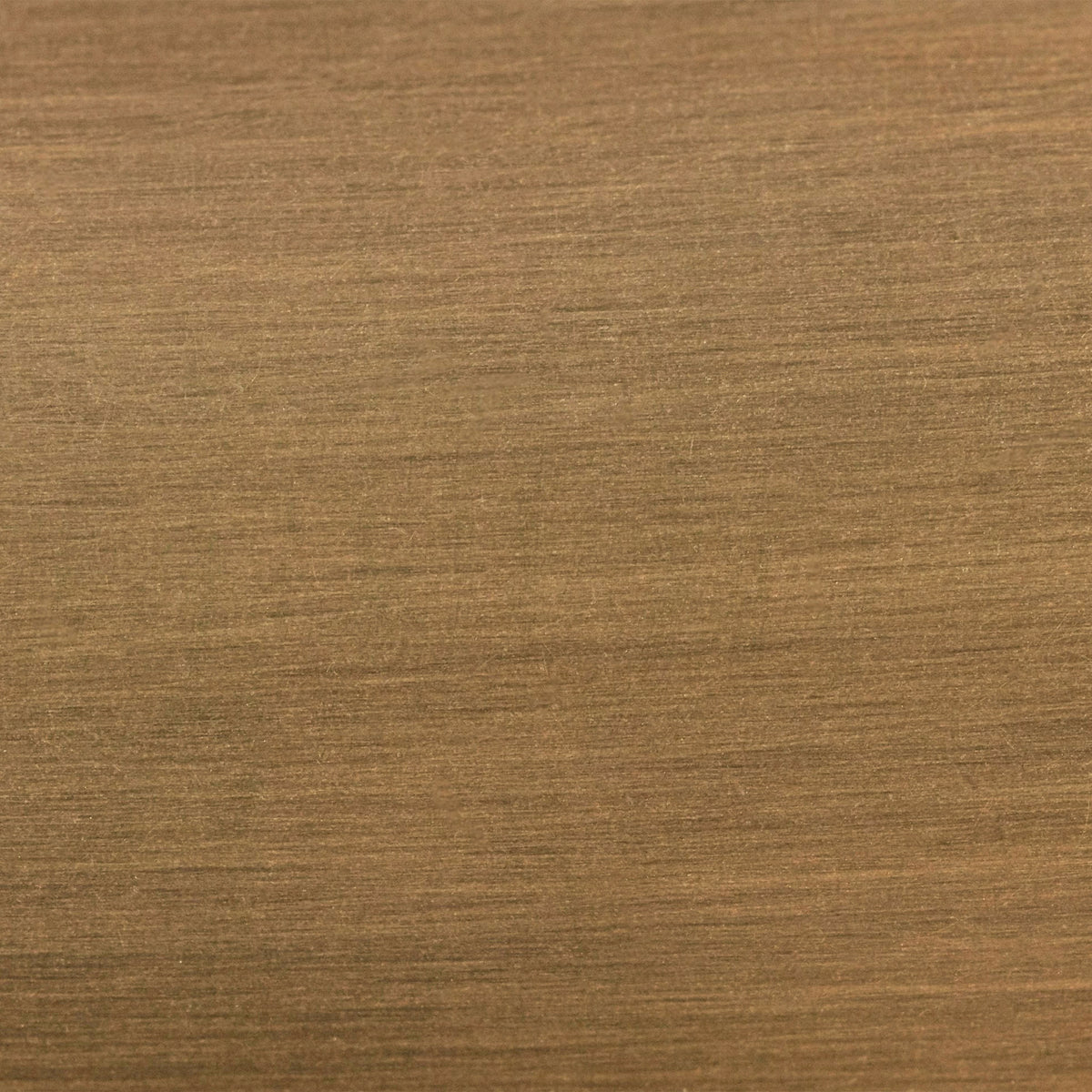 05
05 06
06 07
07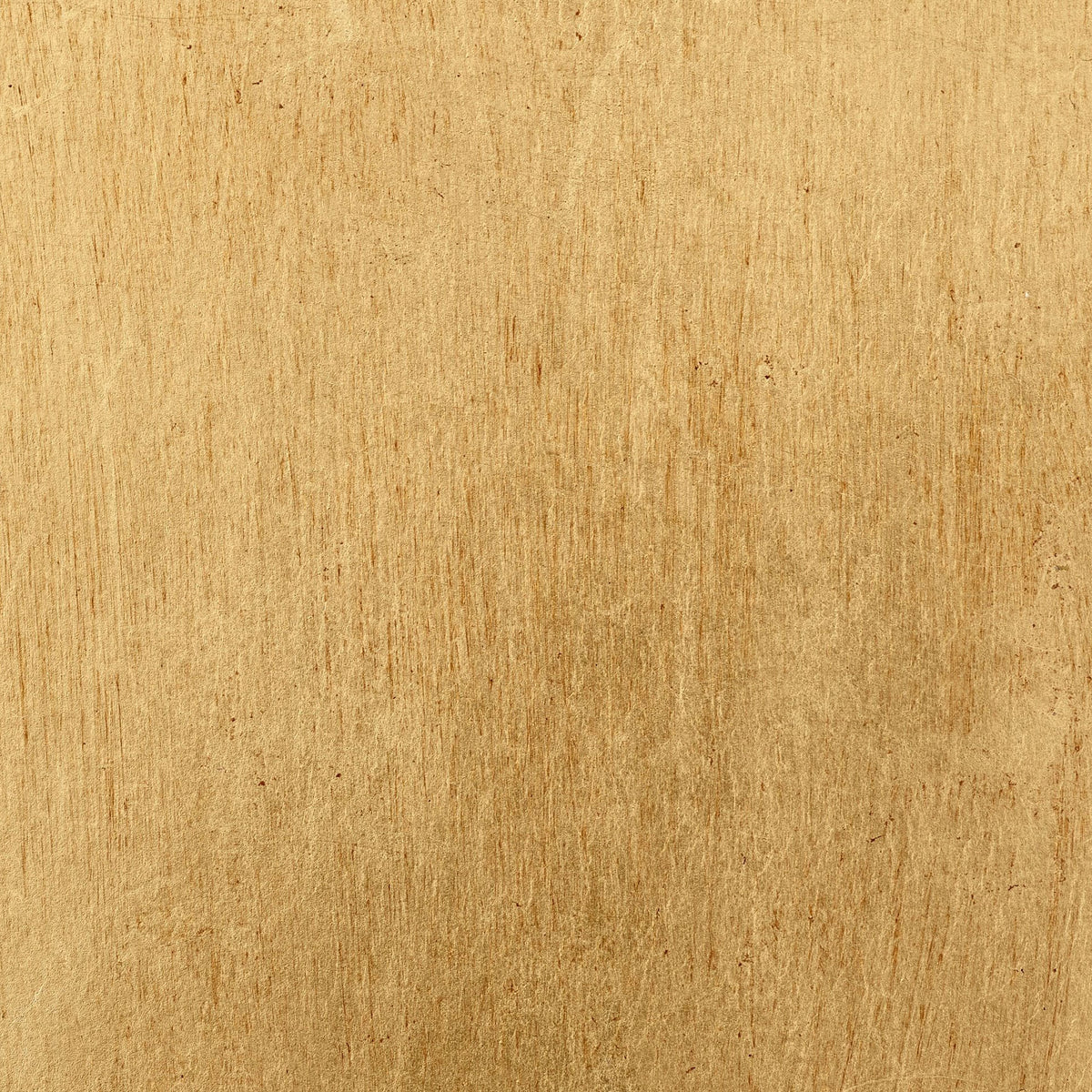 08
08 09
09 10
10 11
11 12
12 13
13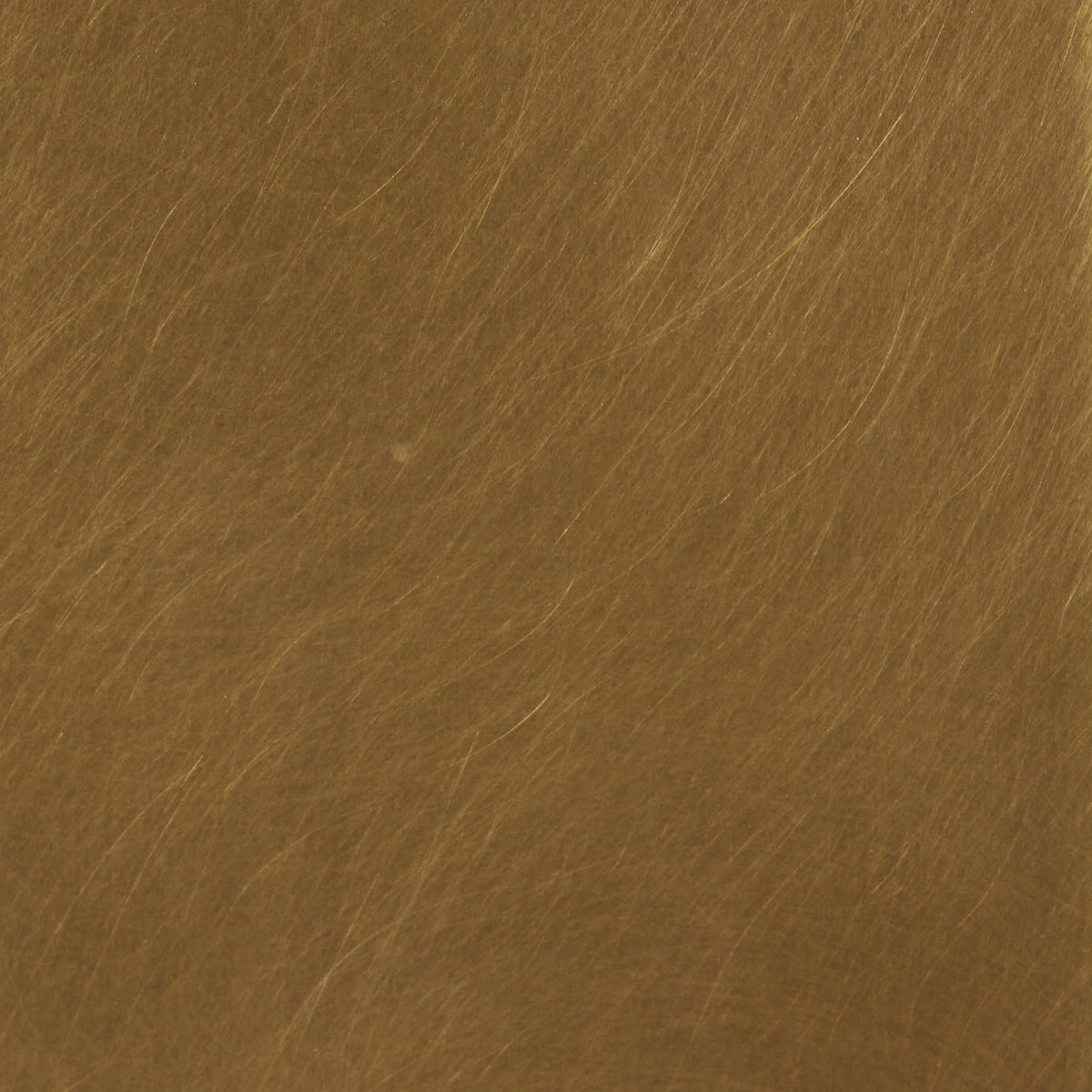 14
14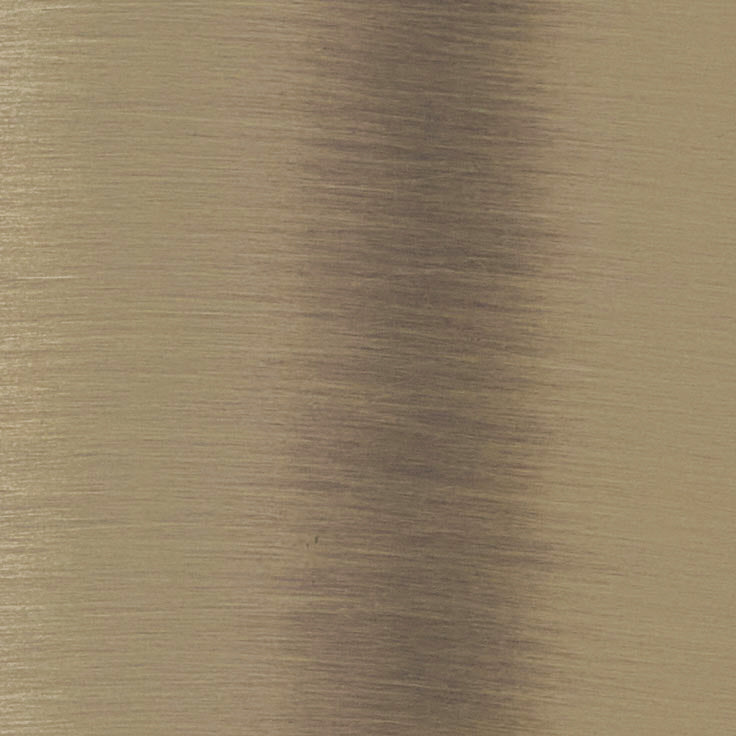 15
15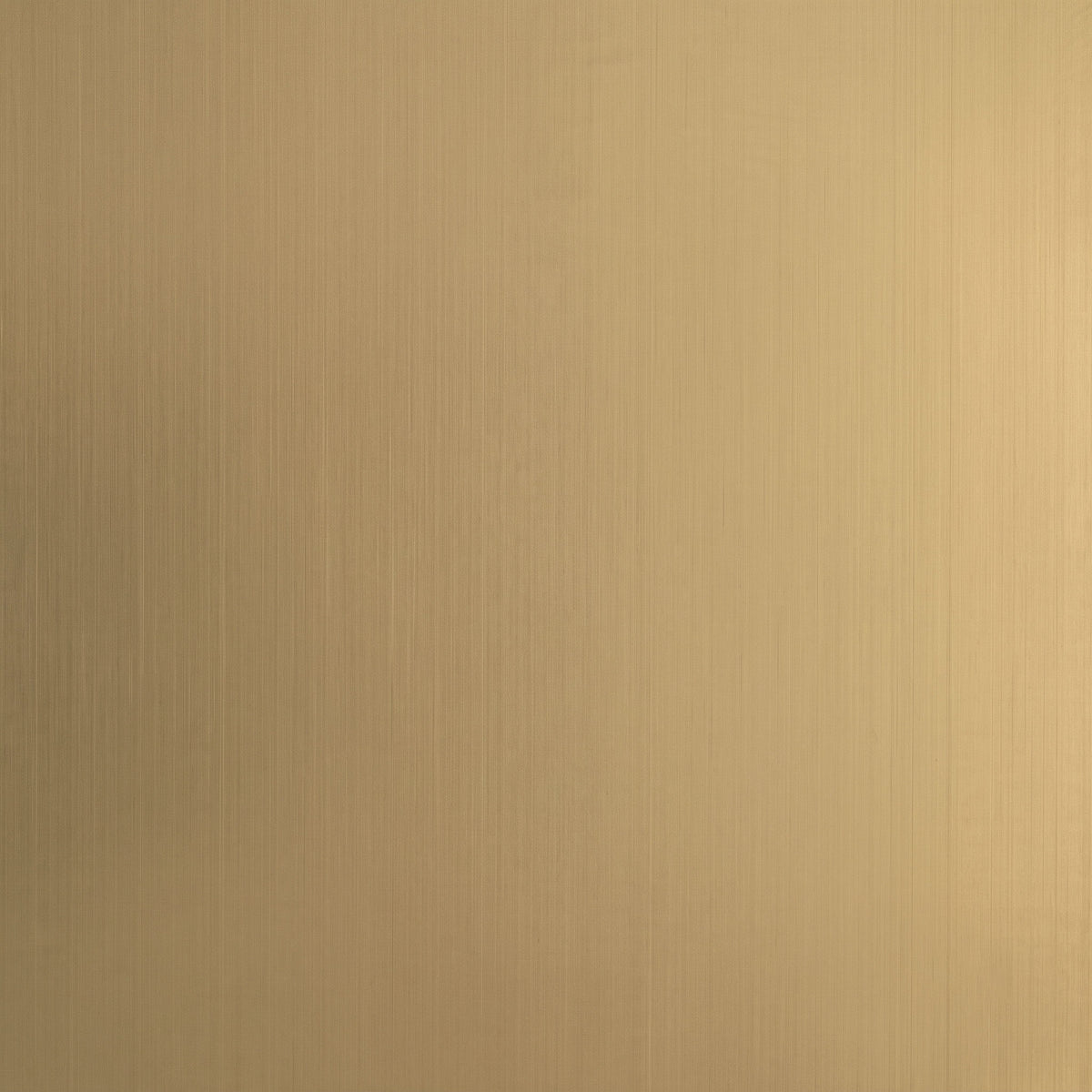 16
16 17
17Finishes 01–17 · brass, bronze, iron, steel, nickel, chrome, black · custom patinas matched on request
Order by number, not by name. "Antique brass," "aged brass," "burnished brass" — ask five workshops what those mean and five different metals come back. Finish 04 is the same physical sample in our studio, on the atelier bench, and on your packing list.
And because no screen renders metal honestly, we ship the physical panels before anything is committed. Hold them against your cabinetry and wall paint, at the hour you actually use the room — then send the number.
Color that is grown, not painted on.
A brass finish is not a coat of paint — it is a controlled chemical reaction on the surface of the metal itself. Where a sprayed lacquer sits on top and eventually chips, a true patina is the brass reacting with sulphur, ammonia, or acid salts until its surface ions shift colour. The tone you see is the metal, transformed. That is why a patinated Radilum fixture deepens with age instead of peeling — and why every piece is coloured by hand, one at a time.
Seven stages, ten to twelve weeks,
and nothing exists before you choose.
A Radilum fixture is not pulled from a shelf. It is tooled, cast, polished, patinated and sealed after you order it — which is why the finish can be anything you want, and why the whole thing takes twelve weeks rather than two days.
One project specialist carries the commission from brief to install. There is no handover between sales, design, production and freight; the person who answers your first email is the one who sends you the polishing photographs.
The four stages you will see photographed
Stages three through six happen in the atelier, and each one arrives in your inbox as a timestamped photograph. Not because pictures sell anything — twelve weeks is a long time to trust a workshop on the other side of the world, and a photograph is the only thing that proves what we described actually happened. They come whether or not you ask.

Steel cut from your drawing
The signed-off render becomes a parametric model, then a five-axis tool path, then a steel mould cut in our own shop. Nothing is outsourced here — a tolerance lost at this stage cannot be recovered later.

H65 — the shell-casing alloy
65% copper, 35% zinc: the brass first specified for military cartridges because it absorbs shock without splitting. Every cast piece is annealed so it will not crack a decade from now.

Colour is grown, not sprayed
One technician carries your fixture through every grit, then the patina bath. The reaction is arrested within seconds of reaching tone, and high points are rubbed back by hand. Their mark is etched on the fitting plate.

Multi-layer sealant, tested for 25 years
Three coats of imported Incralac — the conservation lacquer museums use on bronze sculpture. Accelerated-aging tests project 25+ years tarnish-free — or we skip this stage entirely, by request.
The swatch is the cheapest step in the entire commission and the only one that prevents a remake — the finish is the single variable that cannot be corrected once the fixture is built.
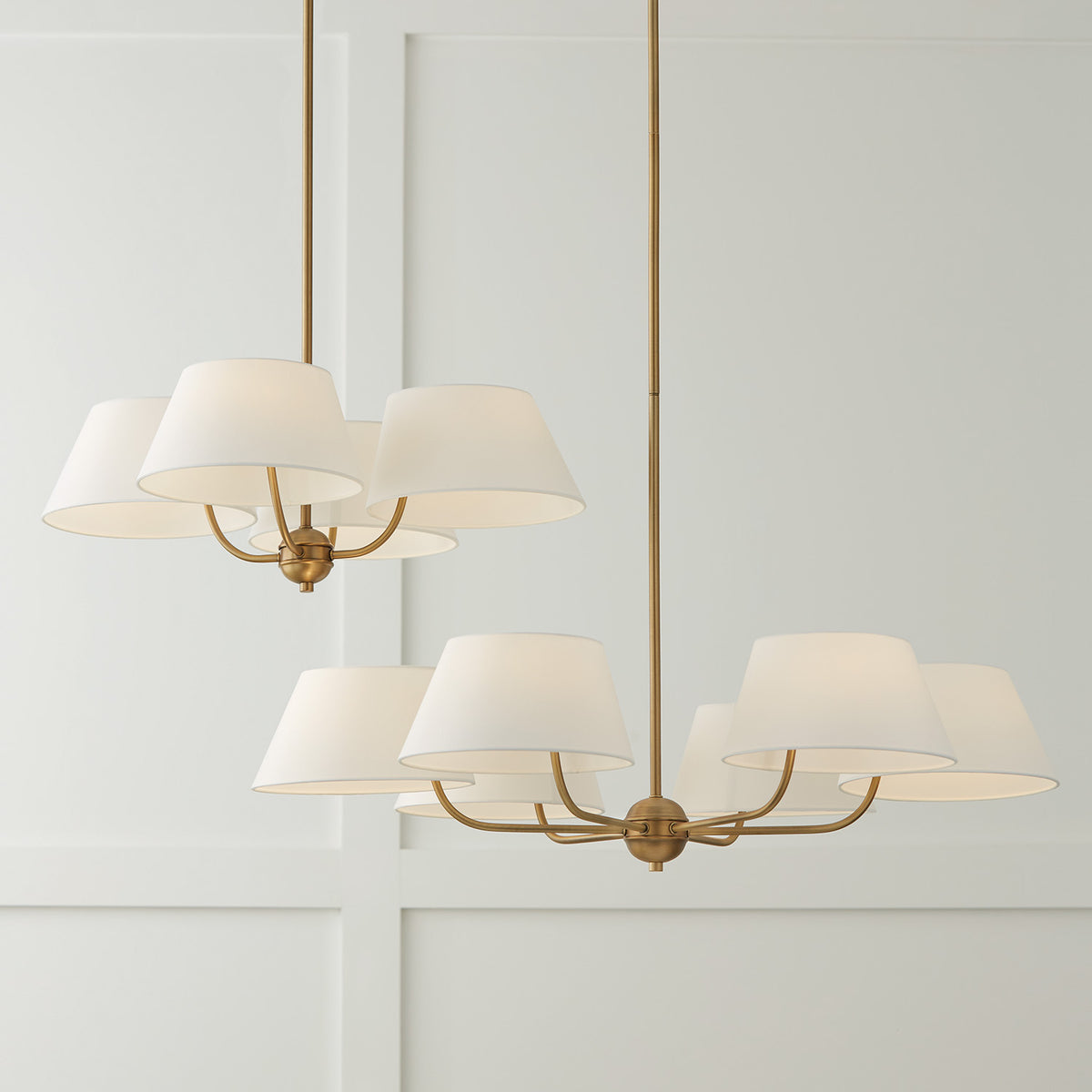
Five archetypes — the working portfolio.
Most projects begin from one of five standard categories. Every category scales from intimate residential to full-room hospitality; every category accepts any of the seventeen finishes; every category ships UL-listed for North America (CE/SAA available on request).



Three principles drawn from two centuries
of American interior design.
The Radilum American Brass Collection is shaped by three lineages — Federal-era neoclassical proportion, the early-20th-century Arts & Crafts movement, and the mid-century industrial vernacular. The result is a portfolio that reads as American not because it is decorated with eagles and stars, but because it carries the same restraint and structural honesty that those three traditions share.

Restraint & Proportion
From Federal-era cabinetry: symmetry, balance, restraint. Arms stepped at golden-ratio intervals. Canopies sized to match the column they descend from. Nothing is decorative for decoration's sake. The grandeur is in the proportion, not the ornament.

Structural Honesty
From the Arts & Crafts vocabulary: function expressed, never disguised. Joinery shows. Fasteners are visible and intentional. The arm of a sconce is shaped because it must support a bulb — and that shape is the design. Nothing pretends to be what it isn't.

Classic Shades
From mid-century industrial: opal milk glass, fluted glass, woven linen, perforated metal mesh. Each shade has a hundred-year vocabulary behind it. We pair the shade to the fixture's intended room — not the photographer's preference for what reads on social media.
Begin with a brief, or a finish sample.
Whether you need a single bedside sconce or a hundred matched fixtures for a hospitality build-out, the first step is the same — write to us. The project specialist who reads your email is the one you'll work with from brief to install. Every email gets a real reply within 24 hours.

شحن سريع
4-6 أسابيع للتسليم

شهادة أمريكا الشمالية
نظرة عامة على شهادة أمريكا الشمالية

الدفع الآمن
دفع آمن باستخدام بطاقات ائتمان متعددة.


Measuring for Pendant Lighting
When installing pendants and chandeliers, it’s important to consider how you want your fixtures to hang in relation to the other furnishings in your space. Read on for our recommendations on how to hang the perfect light.
Kitchen
Aim for 30–36″ from the bottom of your fixture’s shade to the top of your island or countertop. Space multiple pendants 26–30″ apart. For a sense of proportion and balance, allow 12″ from the outermost fixture to the edge of your counter.
Dining Room
For optimal lighting and visibility, the bottom of your pendant should sit 30″ from the surface of your dining table. To scale your fixture, take the length and width of the room in feet, then convert that to inches. For a 10′ by 14′ room, the chandelier should be about 24″ wide.
Bedroom
If you’re hanging a pendant above a nightstand, allow for at least 30″ between the bottom of the shade and your nightstand’s surface. To keep the look balanced, center your pendant over your nightstand.
جدول الأحجام
| الحجم |
| المساحة XS |
| الغرفة XS |
| الحجم | DIA 2"-6" | DIA 6"-12" | DIA 12"-18" | DIA 20"-24" | DIA 24"-32" | DIA 32"-40" |
|---|---|---|---|---|---|---|
| المساحة | 32-54 FT | 54-107 FT | 107-161 FT | 161-215 FT | 215-269 FT | 269-378 FT |
| الغرفة | الحمام/الممر، غرفة الطعام، المطبخ، غرفة النوم، غرفة المعيشة، المساحات التجارية |
* الأحجام بالبوصة الأمريكية.
I wanted something understated for our stair landing. It added just enough detail to a wall that used to look empty.
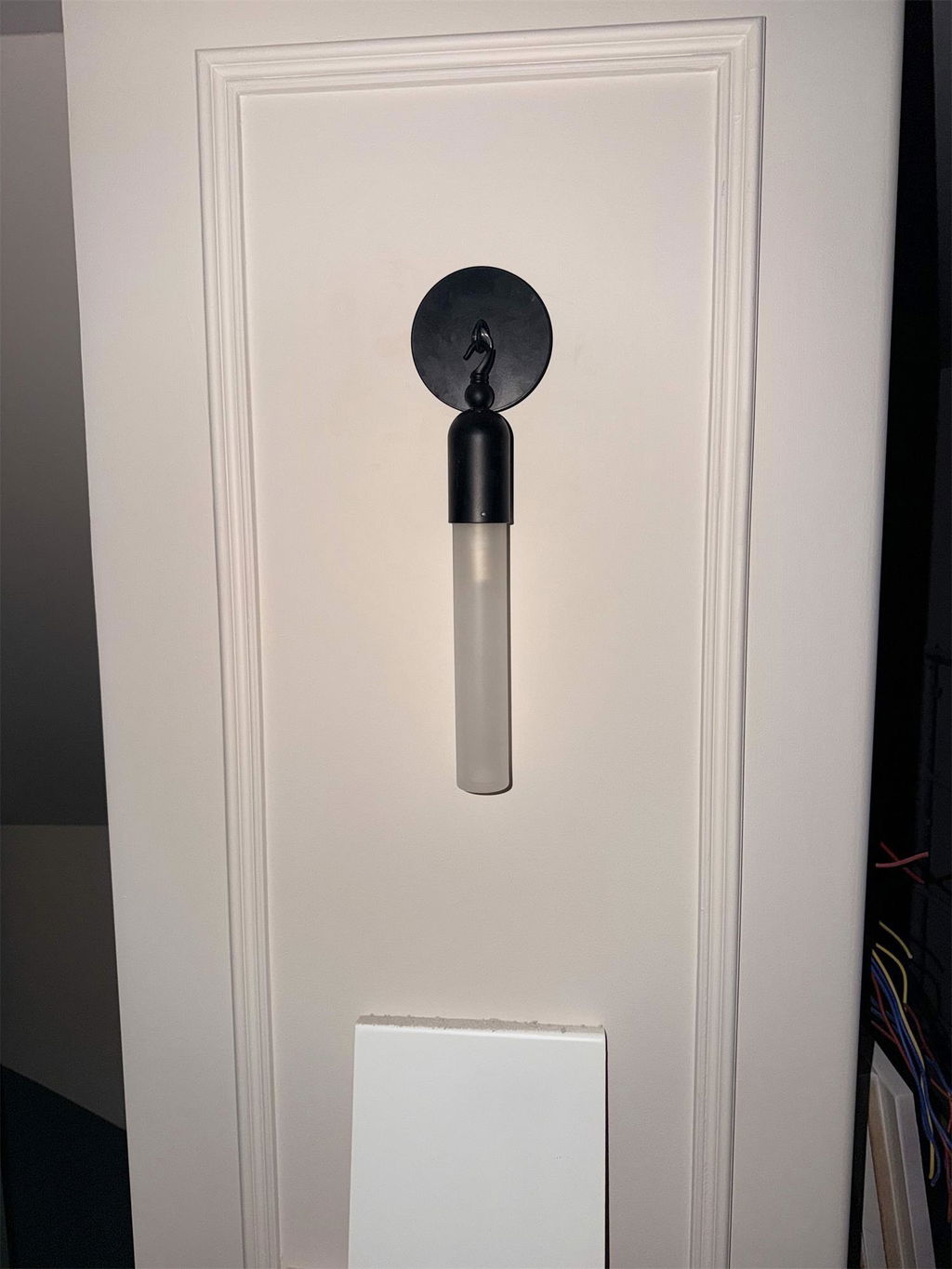
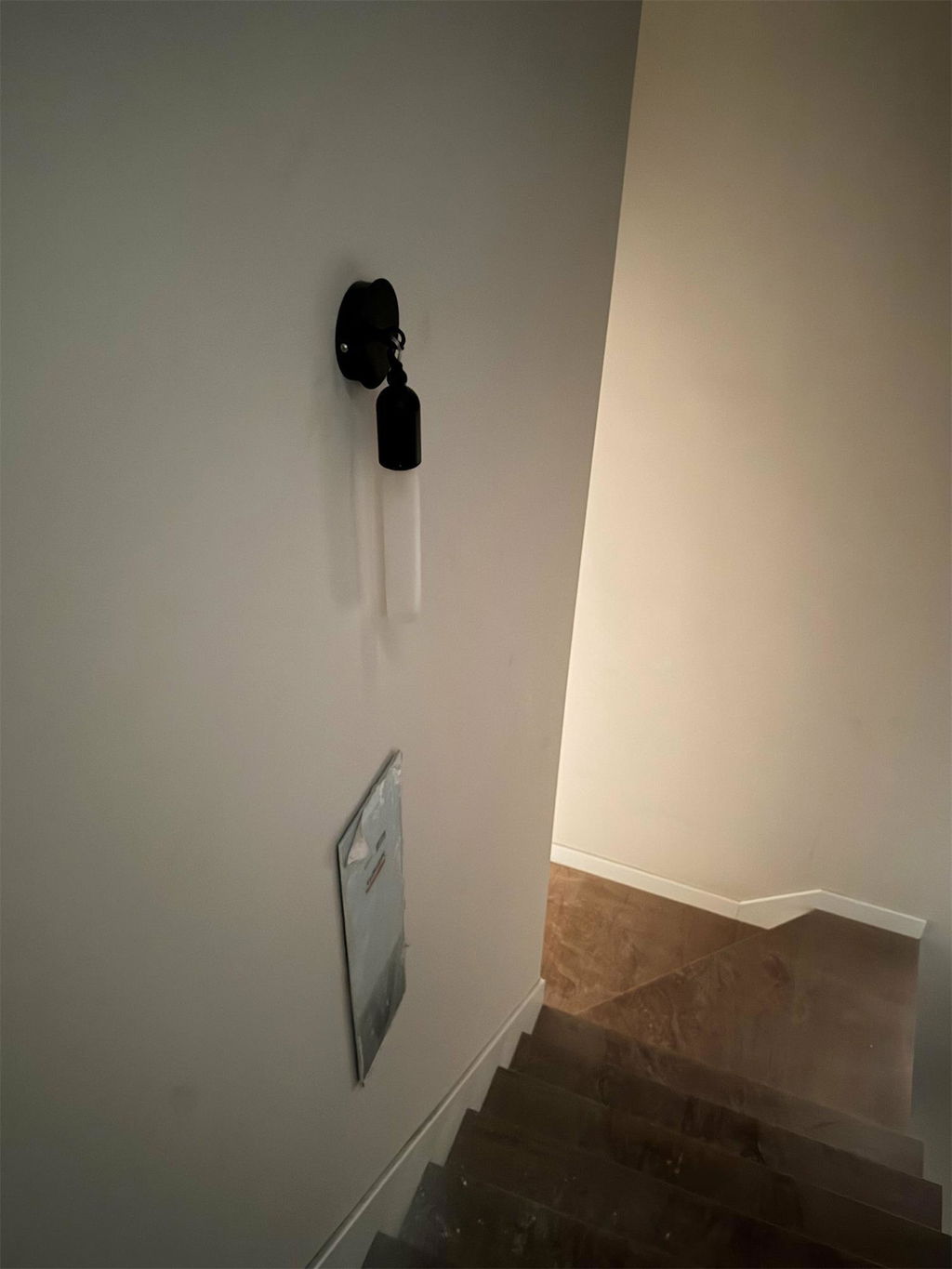
I’m very happy with this wall light. We put it next to our bed and it looks really nice. I would buy it again.
This light is simple and pretty. The glass shade looks great when it’s on. Very satisfied with it.
We installed two beside our bathroom mirror. They look clean and modern.
We put it in our hallway and it matches the room really well. I’m glad we chose this wall lamp.
Installation was straightforward, and it feels sturdy once mounted.
The light it emits is incredibly flattering, not too harsh, just the right ambiance for evenings.
The light is pleasant, though I expected it to be a bit brighter in my space.
The design is simple, but it has personality. It’s one of those pieces you notice without it being showy.
Light's really warm and soft, perfect for our bathroom.
Looks great, the brass and glass work well together.
Adds a quiet sophistication to my bedroom. I appreciate its subtle elegance.
Absolutely love the soft glow this fixture gives. It’s perfect for creating a warm, inviting atmosphere in my living room.
I love how the bulb is slightly visible it adds a touch of character without being distracting.
The light diffuses gently and evenly, avoiding harsh shadows.
Perfect over my kitchen island. It highlights the area without being overpowering.
Elegant and understated, yet it makes a real statement. It blends seamlessly with both modern and classic décor.
I placed it in my hallway and it completely transformed the space. The lighting feels natural and welcoming.
I’m impressed by the craftsmanship. The fixture feels solid and well-balanced while still looking delicate.
It looks elegant, but it’s smaller than I imagined. Best suited for compact areas.
The design is timeless. I feel confident this will still look great even if I redecorate in a few years.
It’s rare to find a fixture that feels both modern and classic at the same time. This one nails it.
It elevates the room without feeling pretentious. I love the understated charm.
These sconces are absolutely gorgeous! Perfect way to modernize my foyer, with a great warm light.
Beautiful lights that really make my bathroom stand out. So pretty would def recommend buying. They change the entire room.
These lights are beautiful and perfect for a bathroom, bedroom, etc. They are brighter than we actually need, but they are well-made and look great.
High-quality light fixtures. We can't wait to install them in our built-in cabinets. They feel sturdy, and the bulbs are included.
They look great mounted horizontally above the vanity mirror!
Very nice light fixtures! These are high-quality, with a beautiful brass finish and glass. We installed them in our master bathroom, and they look amazing.
They look fantastic on the wall. We have a bench in front of them, and we are very happy with the product.
These lights are stylish, well-made, and add a touch of modern elegance to our bathroom. Easy to install, and the included bulbs provide a warm, inviting glow. Highly recommend for anyone looking to update their vanity.
Everything looks and feels very high-quality. These lights completely transformed our room, and we've received so many compliments.
Beautiful! They are so pretty and look lovely in this space.
I love them! Great quality, heavy, and easy to install. I would definitely buy them again.